
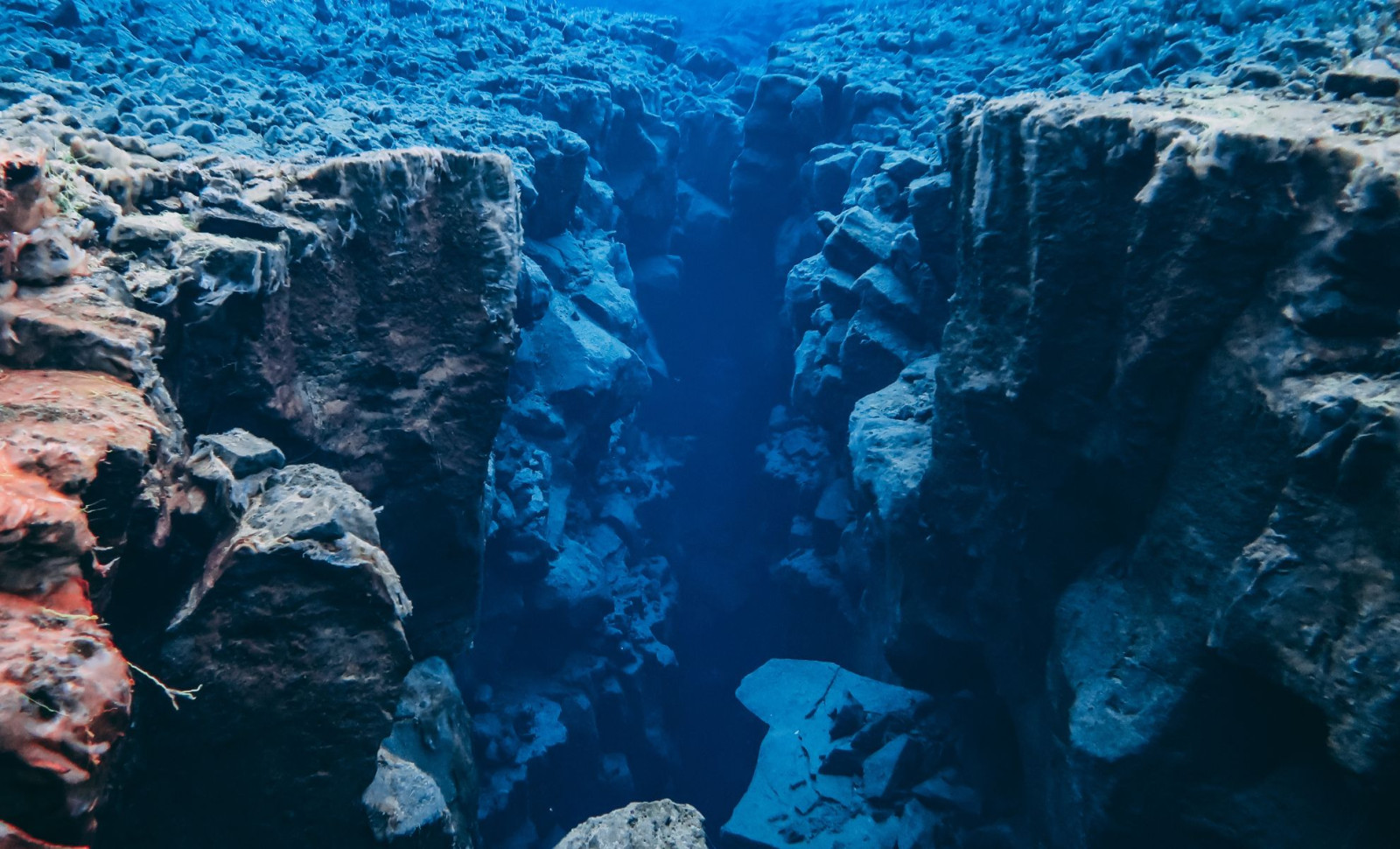
Researchers exploring a remote submarine fault in the eastern Pacific have uncovered natural geological features that consistently restrict the expansion of earthquakes. Published in Science, the study reveals fractured areas within the fault acting as natural "brakes" that reliably stop seismic ruptures from growing larger.
This discovery stems from long-term monitoring of the Gofar transform fault, situated about 1,000 miles west of Ecuador. For over three decades, this fault has exhibited magnitude 6 earthquakes approximately every five to six years, frequently affecting the same segments in nearly identical patterns.
Such consistency in earthquake cycles is rare. Most fault systems experience wide variations in the magnitude, timing, and extent of ruptures. Scientists had hypothesized that quieter zones between active segments might limit earthquake size, but the precise mechanisms had remained elusive.

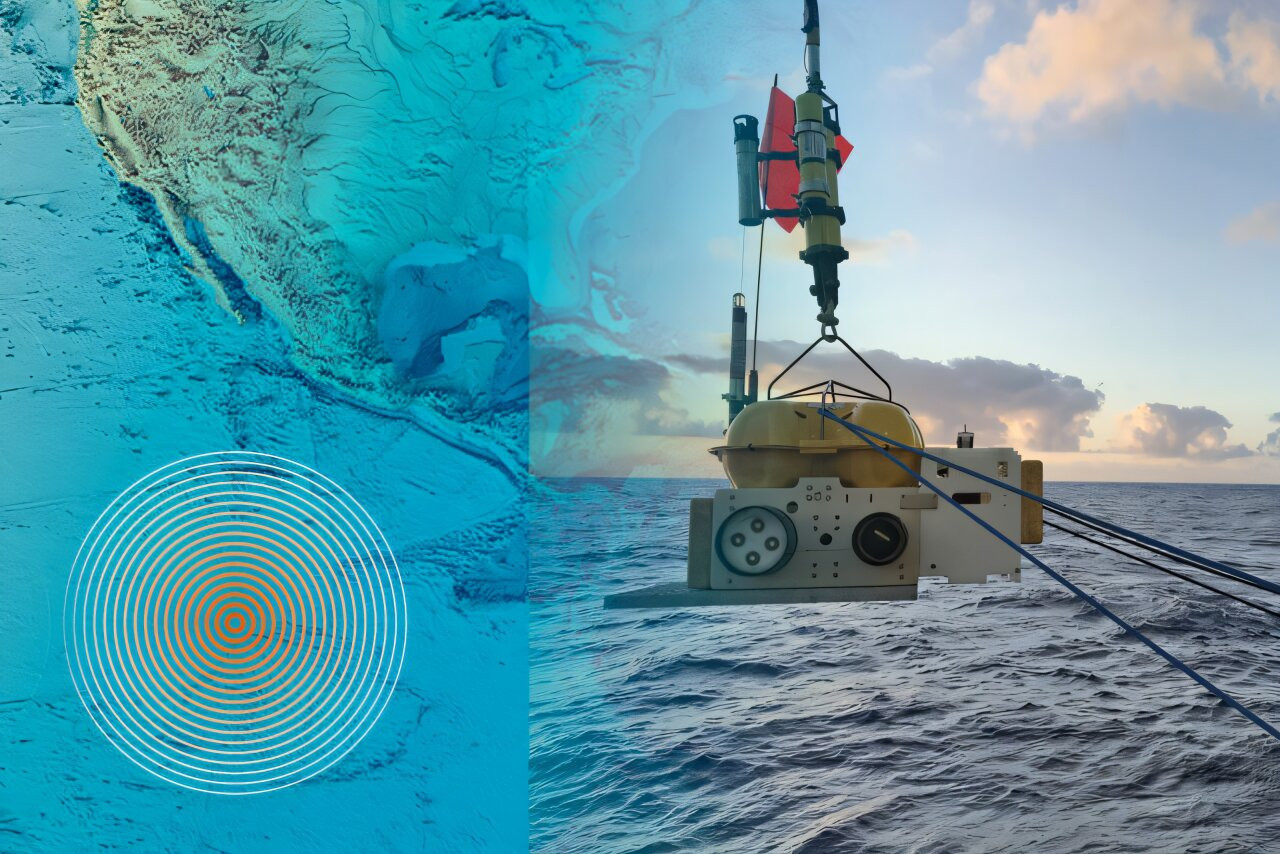
To explore this, an international research team examined seismic data collected from ocean floor instruments during major experiments conducted in 2008 and from 2019 to 2022. Their results highlight structurally complex fault areas permeated by seawater beneath the seabed.
Thousands of Minor Earthquakes Illuminate Fault Behavior
The Gofar fault, located along the East Pacific Rise, marks the boundary where the Pacific and Nazca plates slide past each other horizontally at approximately 140 millimeters per year. Its characteristic repetition of seismic events makes it a prime subject for oceanic fault studies.
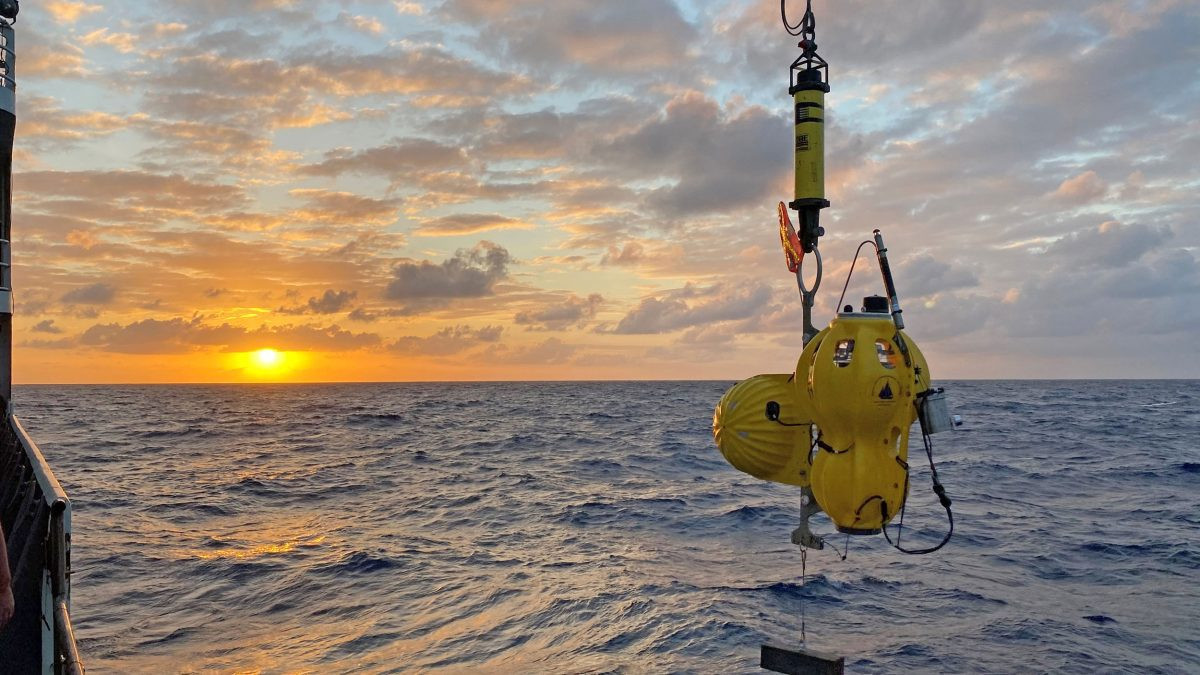
Ocean bottom seismometers were deployed to capture activity surrounding two separate magnitude 6 earthquakes. These instruments recorded tens of thousands of smaller tremors throughout the observation periods.
Remarkably, researchers detected the same patterns in two distinct fault segments despite a 12-year interval between them. Prior to each major quake, the barrier zones experienced swarms of minor tremors, followed by near silence immediately after the main rupture.
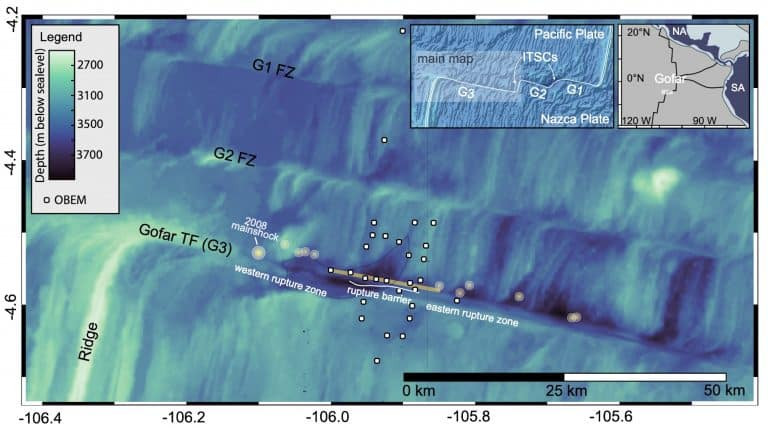
The repetition of this pattern strongly suggests that these barriers play a crucial role in controlling how seismic ruptures advance along the fault.
“We’ve known these barriers existed for a long time, but the question has always been, what are they made of, and why do they keep stopping earthquakes so reliably, cycle after cycle?” said Jianhua Gong, lead author of the study and Assistant Professor at Indiana University Bloomington.
Seawater-Infused Fractured Zones Within the Fault
The team determined that these barrier areas consist of intricate fault configurations where rocks split into several strands. The strands are shifted sideways by offsets ranging from 100 to 400 meters, creating openings within the fault structure. According to the study, seawater penetrates deeply into these fractured spaces. This mixture of fluids confined in porous rock leads to a phenomenon called dilatancy strengthening.
During an earthquake, rapid slip causes a sudden drop in fluid pressure inside the porous fault rock. This pressure decrease temporarily makes the rock stronger, effectively slowing or stopping the progress of the rupture.
The barrier zones are described as dynamic features that directly influence the development of underwater earthquakes.
What Limits Earthquakes on Some Faults?
Because the Gofar fault is remote, its seismic activity poses minimal hazard to coastal communities. However, the research may offer valuable insights for understanding similar submarine fault systems.
Transform faults like Gofar are widespread beneath the world’s oceans, where observed earthquakes often remain smaller than theoretical expectations. The barrier zones identified here may explain this tendency.
“These barriers are not just passive features of the landscape,” Gong said in comments released alongside the study. “They are active, dynamic parts of the fault system, and understanding how they work changes how we think about earthquake limits on these faults.”
- Categories:
- Science


0 comments
Sign in to Comment