
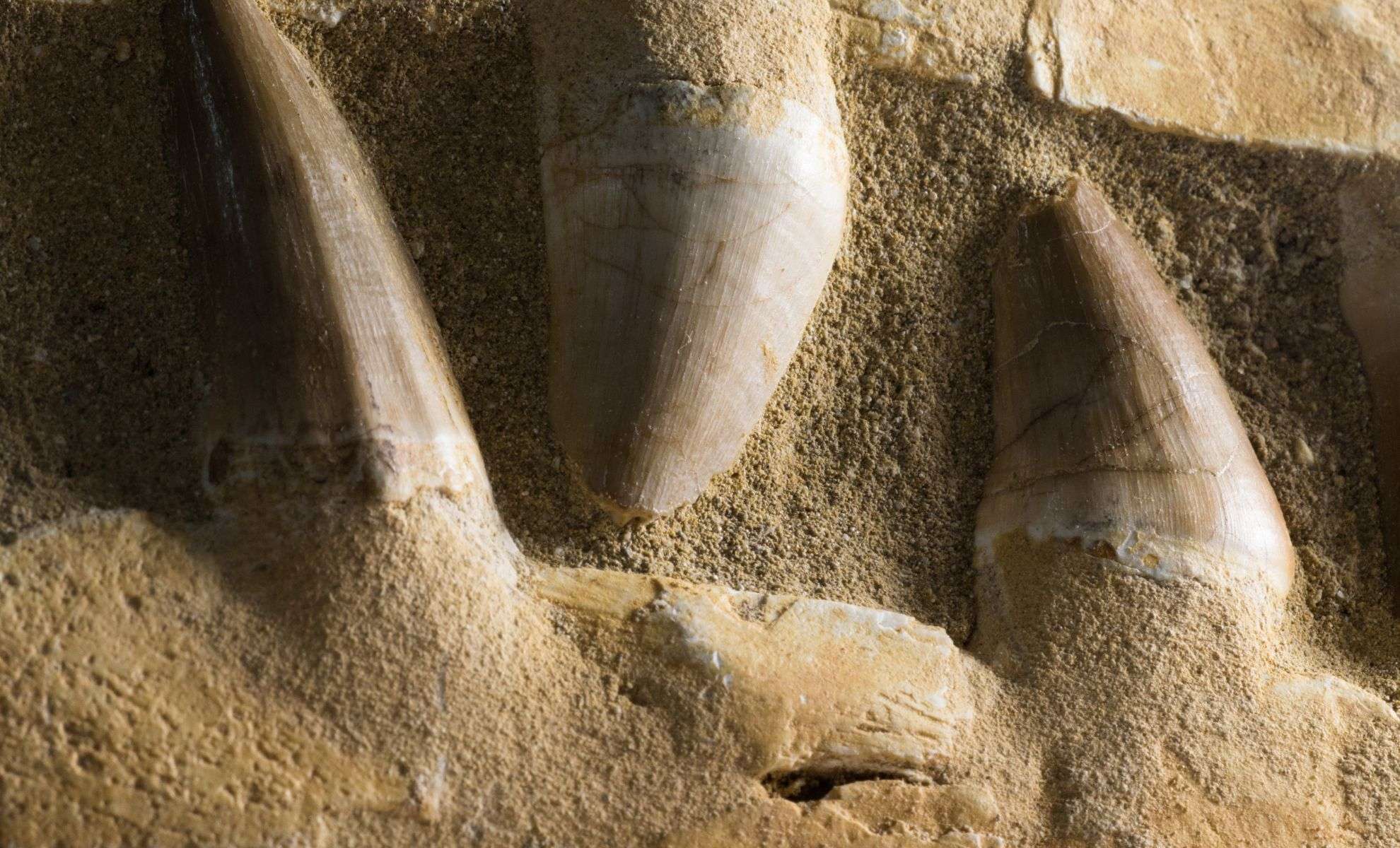
Situated near Route 55 in New Jersey, behind the familiar scene of a Lowe’s parking area, researchers have uncovered fossilized remains dating back more than 66 million years. These aren’t ordinary fossils—they belong to mosasaurs, formidable marine predators from prehistoric oceans. A recent report by Energy Reporters highlights how finds from Edelman Fossil Park are transforming our comprehension of the dinosaur era’s closing chapter.
A Treasure Trove Hidden Under Suburban Ground
The location, now designated as the Edelman Fossil Park and Museum, lies atop a geological layer known as an extinction horizon—a thin sedimentary band marking evidence of the asteroid impact that eradicated much of Earth's life around 66 million years ago. Unearthed across two decades, this excavation has revealed remains from more than 100 ancient species, preserved beneath everyday commercial activity.
Leading this effort is Dr. Kenneth Lacovara, the paleontologist credited with recognizing the site’s immense scientific value. His research continues to unearth traces of life from the final moments of the Cretaceous Period.

A Colossal Oceanic Reptile Unearthed in New Jersey
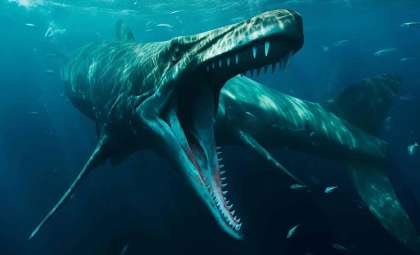
The mosasaur remains represent one of the site’s most extraordinary discoveries. These massive sea reptiles could reach lengths of up to 50 feet. Fossils indicate that this area was once part of the Atlantic Seaway, supporting a drastically different ancient ecosystem.
This find challenges existing views on marine biodiversity distribution during the Cretaceous, drawing international scientific interest to a previously overlooked gravel excavation. As Energy Reporters notes, their discovery in New Jersey “offers crucial insights into the array of life present in the Cretaceous seas.”
Engaging the Public with Ancient Discoveries
At Edelman Fossil Park, visitors have the rare opportunity to participate in actual fossil excavations, allowing enthusiasts to experience firsthand the thrill of uncovering relics from 66 million years ago.
Educational programs and interactive exhibits transform curiosity into exploration. Families, students, and aspiring paleontologists connect directly with Earth’s ancient past—not confined behind glass, but within the very layers that chronicle extinction.
Energy Reporters observes, “the park’s hands-on approach fosters public interest in paleontology and motivates the next generation of researchers.” This synergy of research and outreach continues to evolve, with each new fossil enhancing our depiction of life before and after the great asteroid impact.
- Categories:
- News







0 comments
Sign in to Comment