
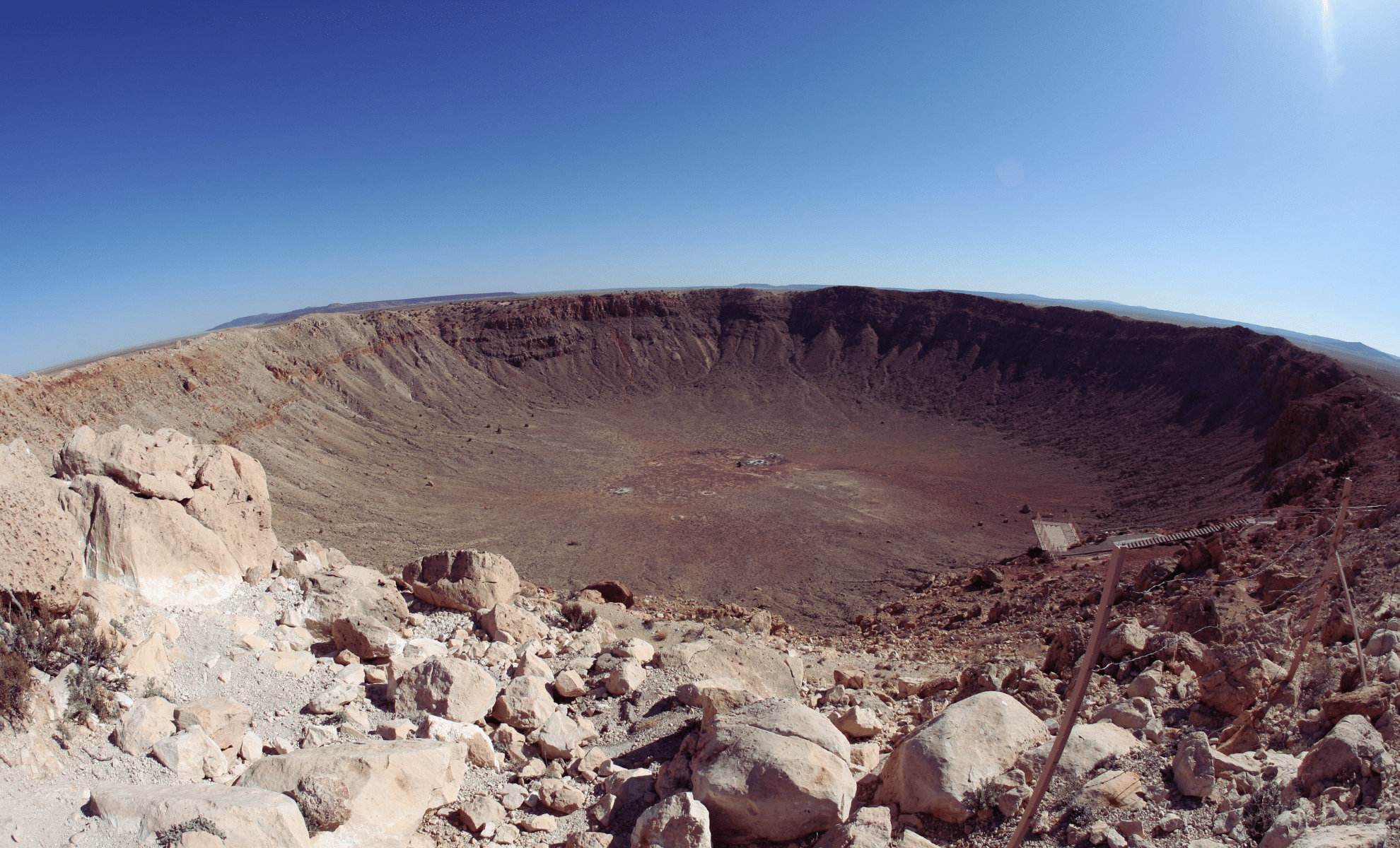
Recent research on zircon minerals from the Stac Fada Member in northwest Scotland has uncovered evidence of a meteorite impact dating back nearly a billion years. This discovery, presented in a study in Geology, revises the age of the event to about 990 million years ago, significantly younger than the previously estimated 1.2 billion years. The newly established timeframe aligns with emerging clues about the expansion of complex life into freshwater habitats, suggesting a possible link between extraterrestrial impacts and biological evolution.
Decoding Earth’s Past Through Zircon Minerals
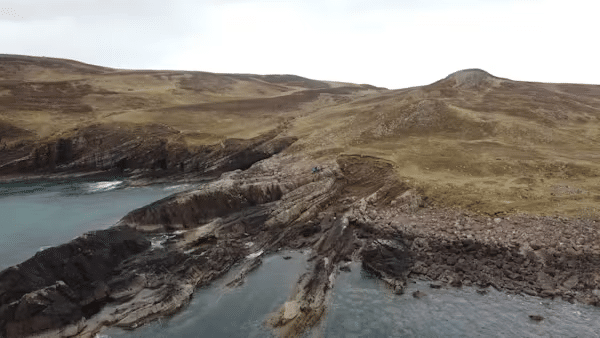
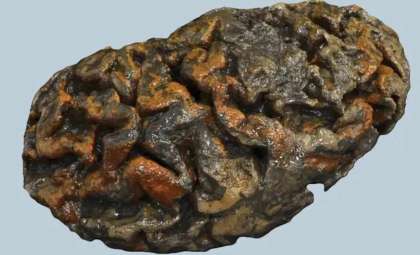
Within the rock strata of the Stac Fada Member, researchers have uncovered some of the most definitive evidence of a prehistoric meteorite strike. Central to this finding is the mineral zircon, known for its resilience and its ability to preserve isotopic data, acting as a geological recorder across vast eons. A team led by Professor Chris Kirkland of Curtin University, alongside collaborators from NASA’s Johnson Space Center and other institutions, applied uranium-lead (U-Pb) chronology to study shocked zircons embedded within the ejecta layers.
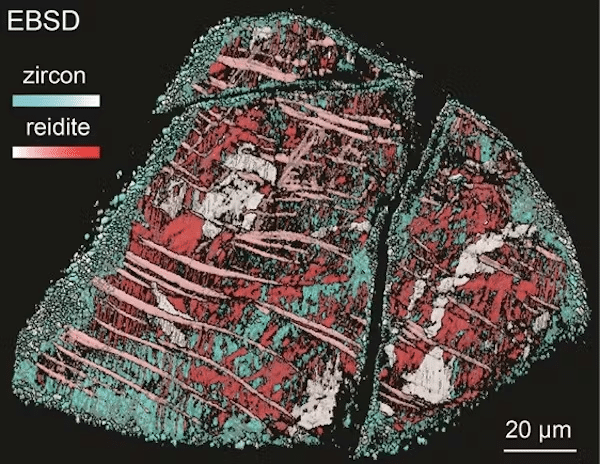
“These tiny minerals captured the exact moment of the impact,” explained Prof. Kirkland, “with some undergoing transformation into the rare mineral reidite.” Reidite forms only under immense pressure, offering undeniable proof of an extraterrestrial collision. By contrasting zircon samples above and below the ejected material, the team pinpointed the impact’s timing with remarkable precision.

This adjustment in dating refines Earth's impact record, with only 37 of 188 known craters having accurately determined ages. The Scottish site thus becomes a crucial chronological reference for understanding the planet's ancient impact events.
Connecting Impact Events to Evolutionary Changes in the Neoproterozoic
The early Neoproterozoic period, the epoch when this asteroid hit, was marked by significant geological and biological transformations. The configuration of continents shifted dramatically, the atmosphere evolved, and vital life forms—complex eukaryotes including plants, animals, and fungi—began migrating from marine to freshwater environments.
The ejecta layer, composed of molten debris, spherules, and shocked minerals, preserves the immediate aftermath of the collision. Features indicate post-impact reshaping by water and gravity, suggesting environmental upheaval. Such disruption likely affected terrestrial soil structures, nutrient dynamics, and freshwater ecosystems, potentially triggering biological transitions.
“The impact disturbed the atomic clocks in zircon crystals,” Prof. Kirkland noted. This disturbance allowed the team to isolate the impact event’s exact date.
The timing correlates intriguingly with fossil evidence indicating early freshwater eukaryotes in nearby geological formations—organisms laying the groundwork for current ecological systems. Though causation is not established, the overlap invites further research into whether impact events could drive evolutionary innovation by altering habitats favorably.
Searching for the Elusive Crater and Broader Earth Science Implications
The precisely dated Stac Fada ejecta is linked to a crater that remains undiscovered. Geologists hypothesize it may be concealed beneath Scotland’s rugged terrain or degraded beyond easy recognition. The new age determination focuses future searches on geological formations of the identified era and composition.
Beyond the local significance, accurate dating of ancient impacts equips scientists to better integrate Earth’s geologic and biological records. With firm timestamps, events such as climate shifts, sedimentary changes, and the rise of certain life forms can be examined in relation to impact events, enhancing understanding of how sudden disturbances influence Earth systems and life evolution.
More broadly, refining the chronology of meteorite impacts deepens insight into Earth’s long-term habitability. These findings aid in calibrating environmental models and comparing planetary histories, illuminating how cataclysmic events shape the complex interplay between geology and biology.
- Categories:
- News


0 comments
Sign in to Comment