
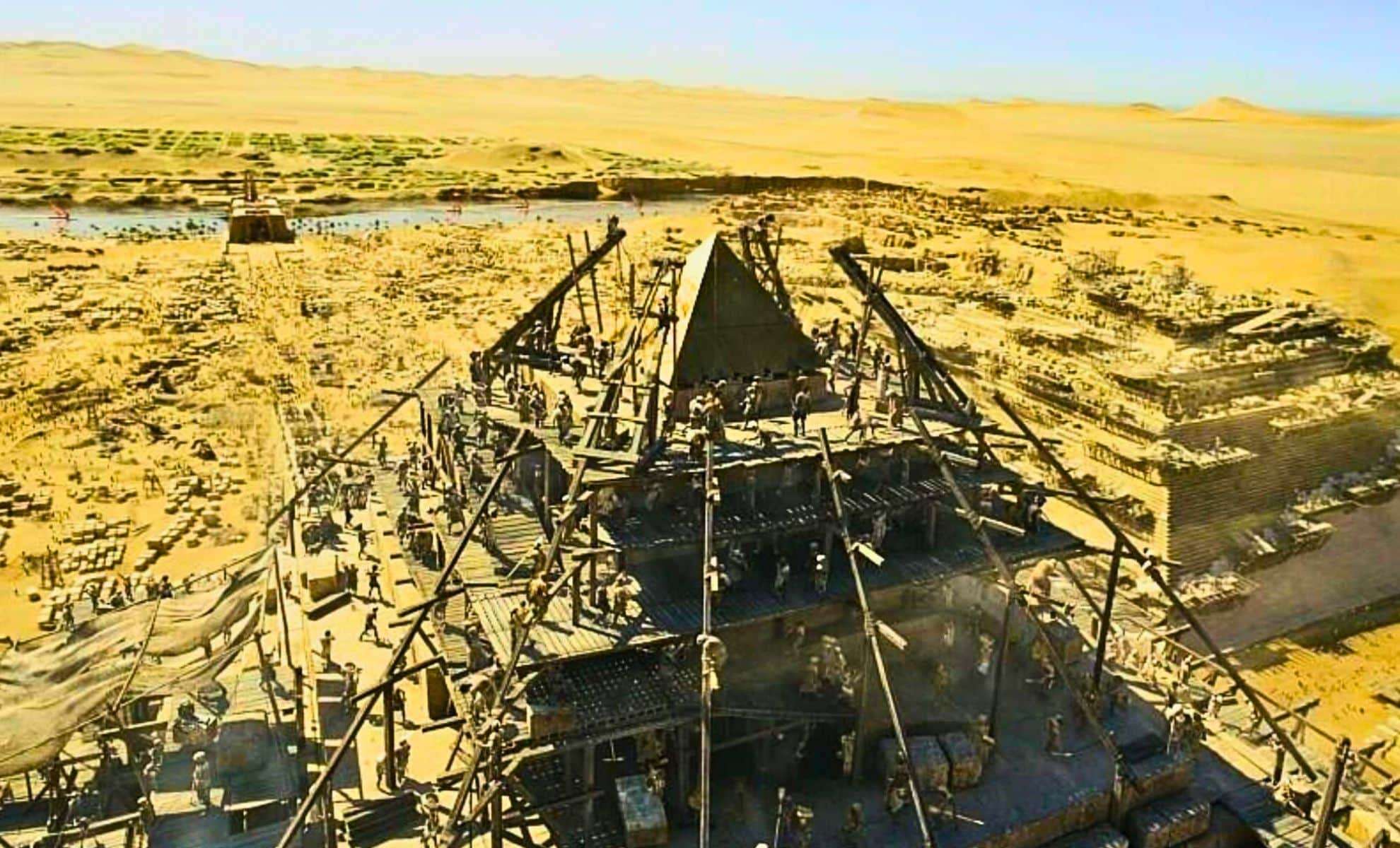
The Great Pyramids of Egypt have long intrigued scholars and engineers alike, standing as monumental enigmas of ancient craftsmanship. While various hypotheses exist about the construction methods employed, the exact techniques remain elusive.
A groundbreaking proposal now suggests that the builders of the Step Pyramid of Djoser might have utilized an unexpected yet highly sophisticated approach: hydraulically powered lifting devices.
Challenging Established Views with Fresh Perspectives
Traditional explanations have mostly focused on the use of ramps, levers, and manpower to transport the enormous stones. Nevertheless, a recent study, published in PLOS ONE on August 5, argues against these long-held assumptions, proposing that advanced water-driven technology could have played a central role.

Led by Xavier Landreau from the French CEA Paleotechnic Institute, the investigation puts forward that hydraulic lifts powered by water sourced from nearby canals could have been the primary mechanism to elevate the hefty stone blocks.
The focus of this research is the Step Pyramid of Djoser, erected around 2680 BCE, which is recognized as an early landmark in Egyptian monumental architecture possibly constructed leveraging water-based hydraulic operation.
Harnessing the movement of water through constructed channels embedded in the pyramid may have enabled the Egyptians to hoist heavy limestone blocks with considerably less manual effort than previously theorized.
Mechanics Behind the Hydraulic Lifting System
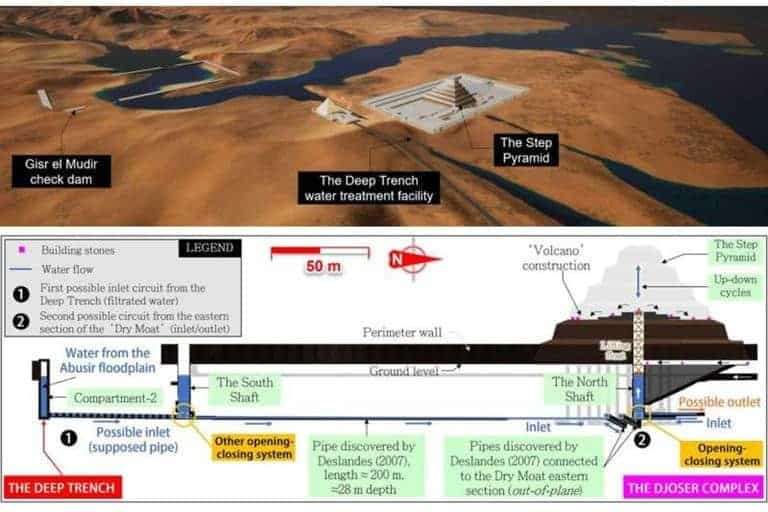
This theory about hydraulic lifts offers a compelling model, suggesting that two vertical shafts within the Step Pyramid might have functioned as water channels. The influx of water into these shafts would activate a buoyancy-driven lifting mechanism, raising massive limestone blocks atop platforms more efficiently than conventional ramps or scaffolding.
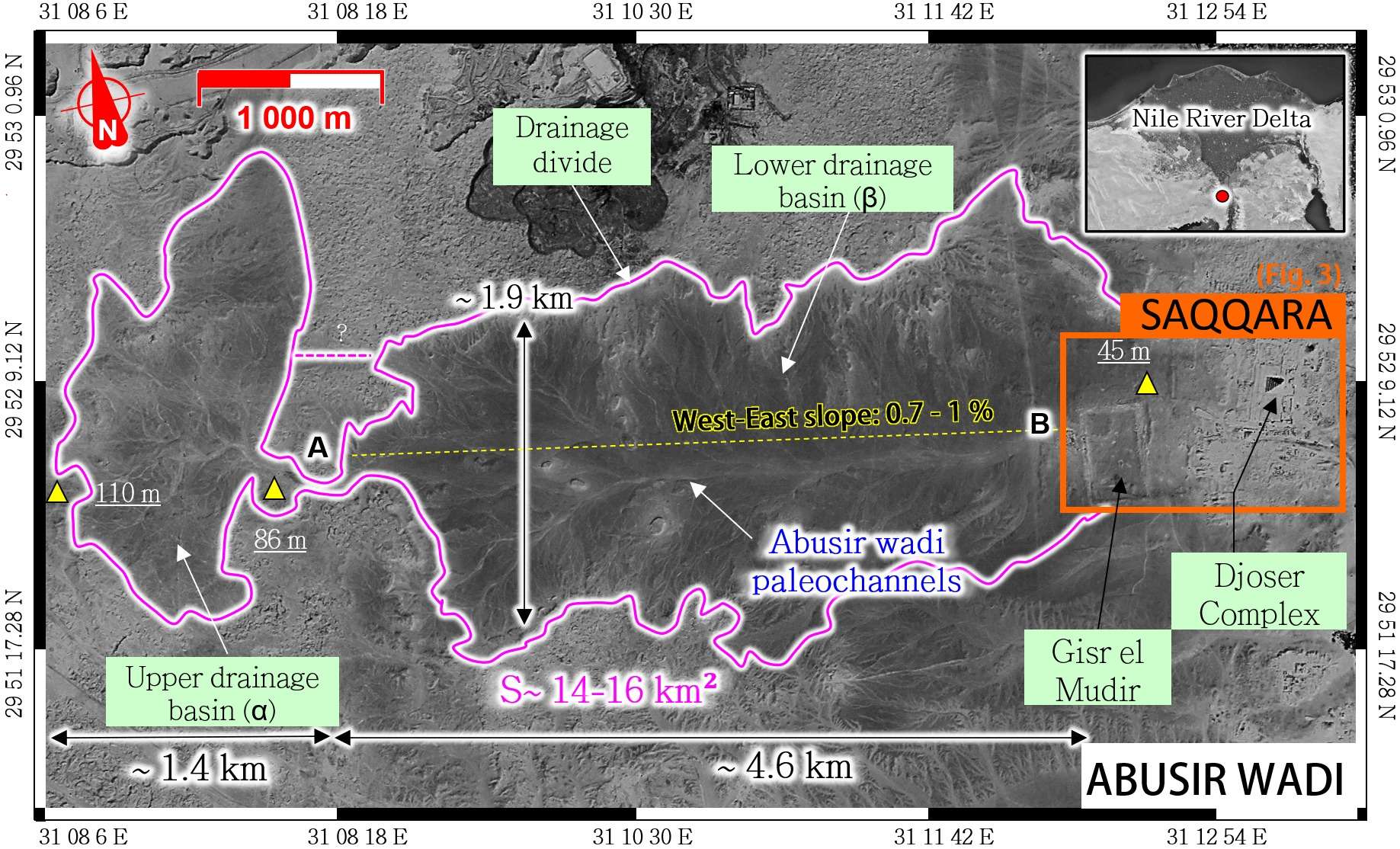
The source of this hydraulic power is proposed to originate from the Nile’s annual floods, serving as a renewable energy supply. The enigmatic Gisr el-Mudir enclosure may have acted as a regulating dam to accumulate water, priming it for use in these lifting operations.
Additionally, a water purification facility might have existed close to the pyramid complex, designed to filter sediments before water flowed through the hydraulic conduits to ensure smooth functionality.
Revolutionizing Our Understanding of Ancient Egyptian Engineering
The research team describes this hydraulic construction method as “volcano construction,” where incremental water pressure elevates stone blocks higher within the pyramid’s framework.
If further studies corroborate this model, it would mark the earliest documented use of hydraulics in monumental stone construction—a significant advancement in Egyptological studies.
While not dismissing the likely participation of ramps and other traditional methods entirely, the hypothesis claims that water-powered lifts could have dramatically simplified the raising of large blocks wherever sufficient water was available.
This insight opens remarkable avenues for reevaluating ancient Egyptian construction techniques, highlighting their sophisticated knowledge of hydraulic principles and engineering ingenuity.
Though still early in development, this idea holds far-reaching implications. Should future findings support the hydraulic lift theory, it could fundamentally reshape perceptions of the technological prowess of the ancient Egyptian civilization.
Identifying water-based technologies at work within pyramid complexes adds to a growing body of evidence underscoring the complexity and advancement of ancient Egyptian innovations.
- Categories:
- Science












0 comments
Sign in to Comment