
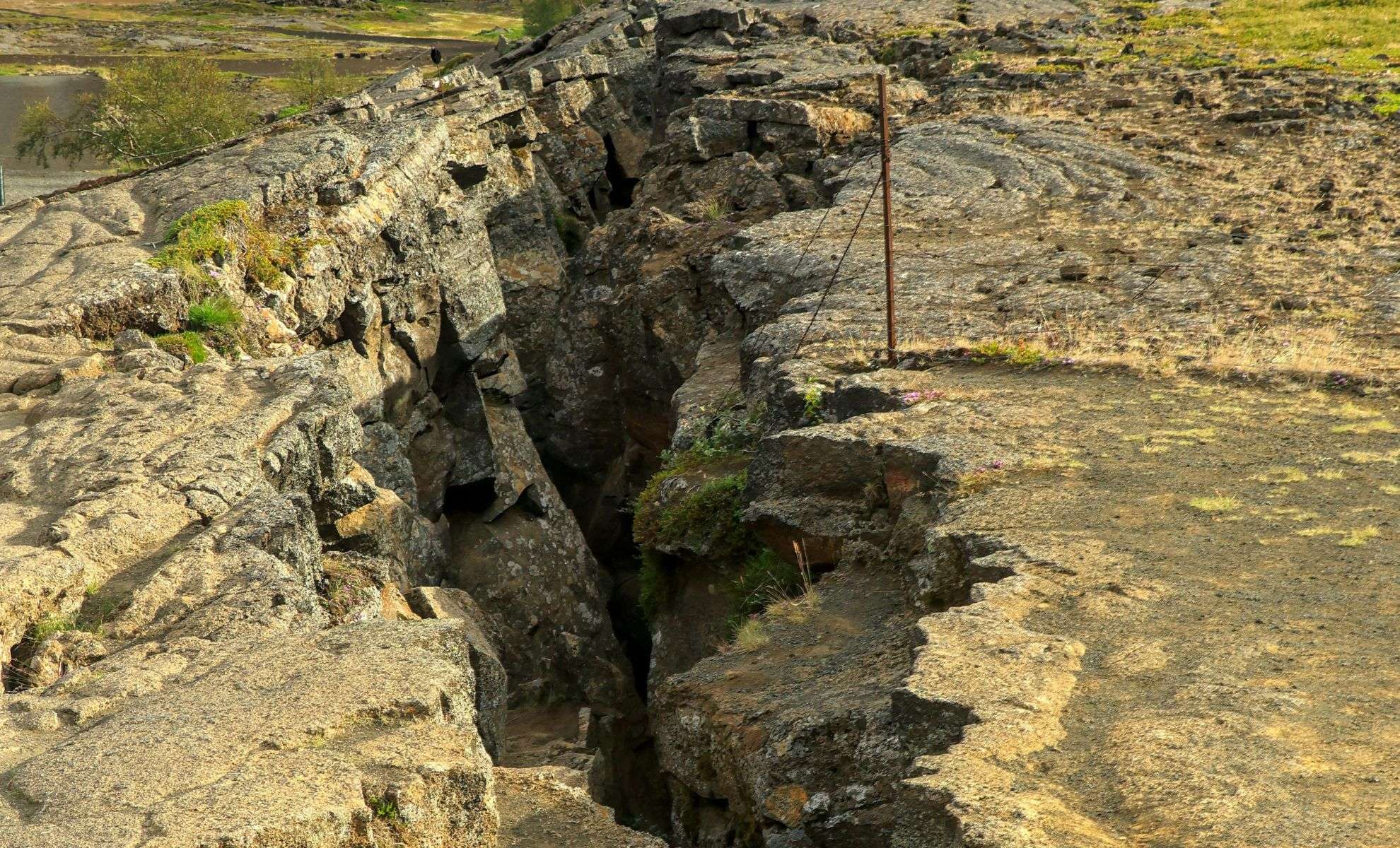
At a recent American Geophysical Union (AGU) meeting, scientists presented a provocative new theory: India's tectonic plate might be dividing internally. Utilizing seismic observations alongside isotope data, the team uncovered evidence for a process called delamination, where a denser lower portion of the Indian Plate detaches and sinks into the Earth’s mantle. This phenomenon offers fresh insights into Himalayan formation and poses new questions about seismic risks in the area.
Unveiling the Hidden Forces Beneath the Himalayas
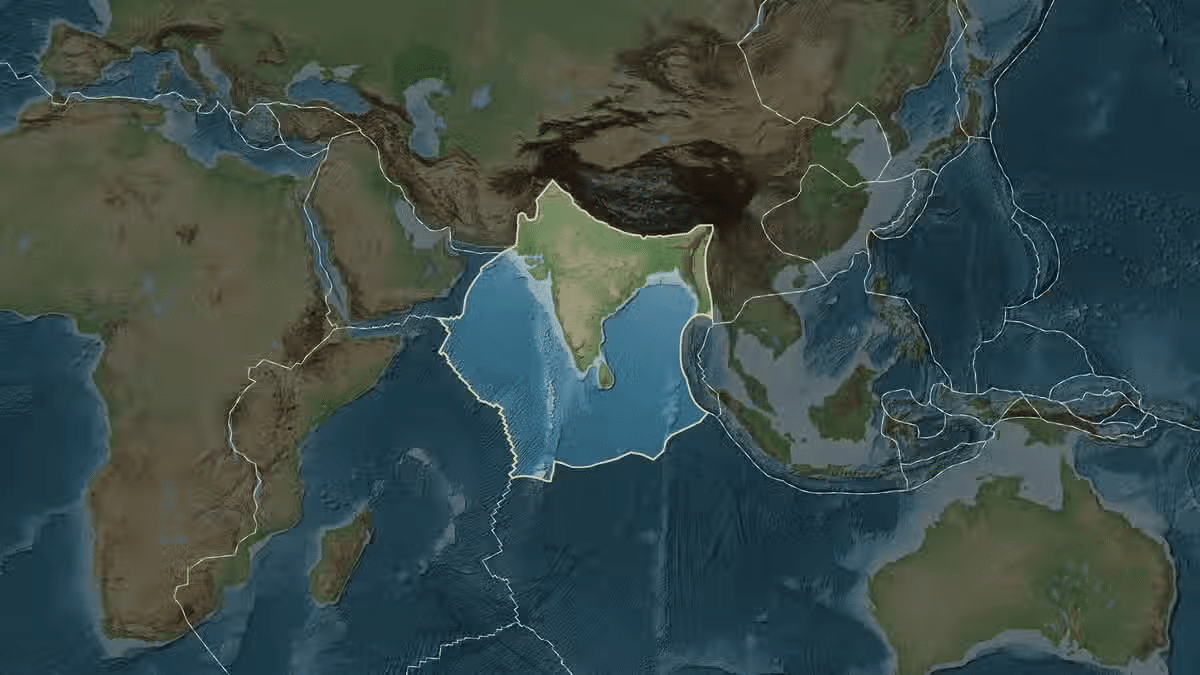
Over 60 million years, the persistent collision between the Indian and Eurasian Plates has lifted the Himalayas, the planet's tallest mountain chain. Scientific debate has wavered between the Indian Plate merely sliding beneath Tibet or partially diving into the mantle. The latest findings propose a previously unconsidered scenario where the plate is experiencing a vertical rupture, with a denser lower segment peeling away from the upper crust—a phenomenon that alters the geological makeup by allowing hot mantle material to intrude.
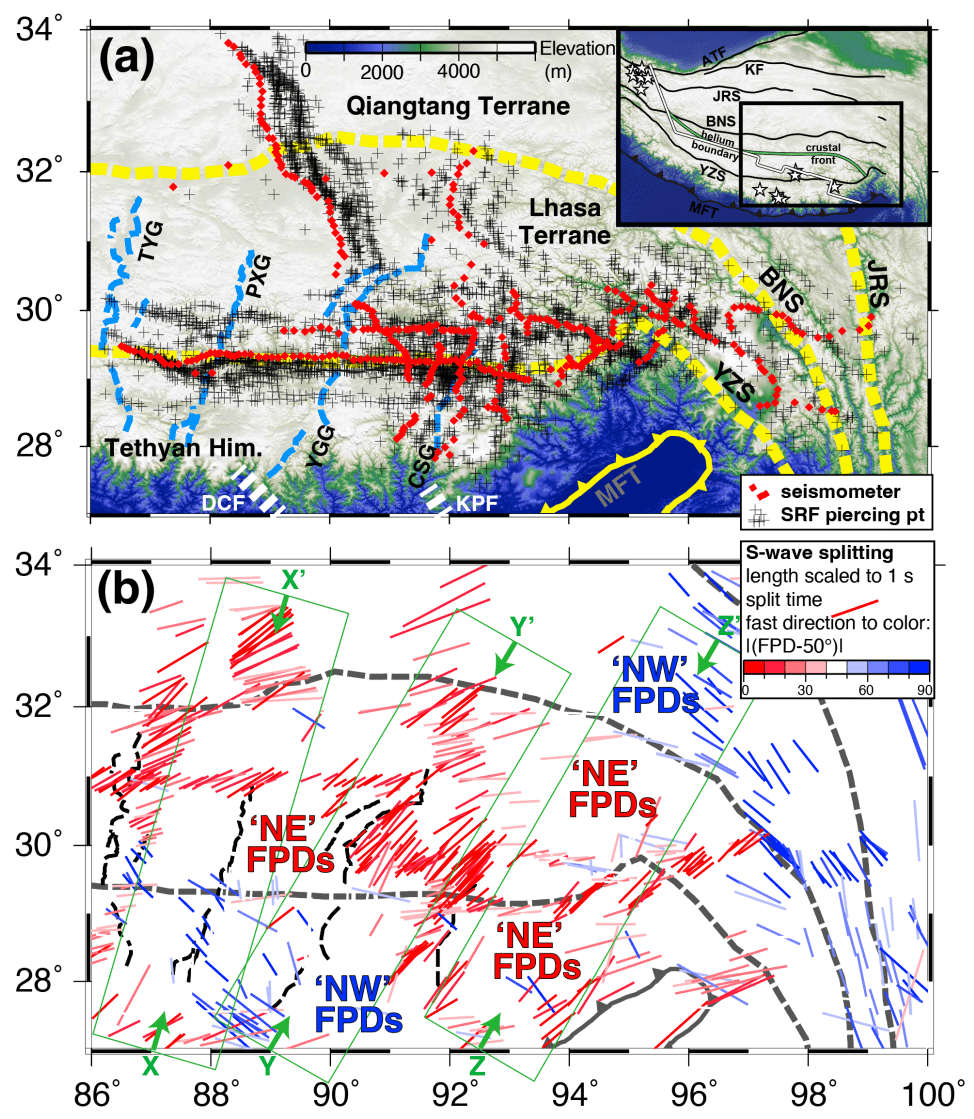
These conclusions stem from detailed evaluations of earthquake waveforms and helium isotope levels measured in southern Tibetan springs. Elevated helium-3, an isotope indicative of mantle origins, points to mantle material accessing regions it normally wouldn’t reach, supporting the hypothesis of a split within the Indian Plate. As Douwe van Hinsbergen from Utrecht University remarked, “We didn’t know continents could behave this way, and that is, for solid earth science, pretty fundamental.”

Cracks in the Indian Plate: Anatomy of a Continental Rift
The Indian Plate does not consist of a uniform block of rock; instead, it varies dramatically from thin oceanic crust to thick continental lithosphere. This heterogeneity predisposed the plate to stress-induced fracturing before it met Eurasia. While plate breakage under extreme tectonic forces had been theorized and modeled, direct geological evidence was previously absent. This study provides the inaugural in-situ proof of such an event within a subduction zone actively reshaping the Earth's surface.
Focusing on a highly strained sector near Bhutan, researcher Simon Klemperer and colleagues studied isotope signatures from thermal springs. They identified a distinct demarcation: south of this boundary, helium isotopes suggested crustal origins, while to the north, mantle-derived signatures prevailed. Notably, three springs located just south of the demarcation exhibited mantle signatures, implying that the plate has fractured, allowing mantle upwelling through these fissures.
This fracture likely does not exist in isolation but forms part of an extensive fracture network extending along the subduction margin, shedding light on the region's intricate seismic behavior and uneven terrain.
Implications for Seismic Hazards in the Himalayas
Though the notion of a tectonic plate fracturing might seem extraordinary, the practical consequences for earthquake risk are profound. The Himalayan zone already experiences high seismic hazard due to the thrusting between gigantic plates. The newly identified delamination mechanism complicates this further by modifying internal stress patterns and promoting mantle intrusions that might trigger unusual fault activity. Such changes could impact the frequency and strength of upcoming earthquakes.
A compelling clue is the alignment between the suspected interior plate break and the surface feature known as the Cona-Sangri Rift on the Tibetan Plateau. This spatial correlation suggests deep geological processes are tied to surface deformations, illustrating how tectonic damage beneath the crust might manifest visibly. Seismologist Anne Meltzer of Lehigh University emphasized that improved knowledge of these subterranean fractures could enhance models predicting earthquake occurrences.
- Categories:
- News









0 comments
Sign in to Comment