
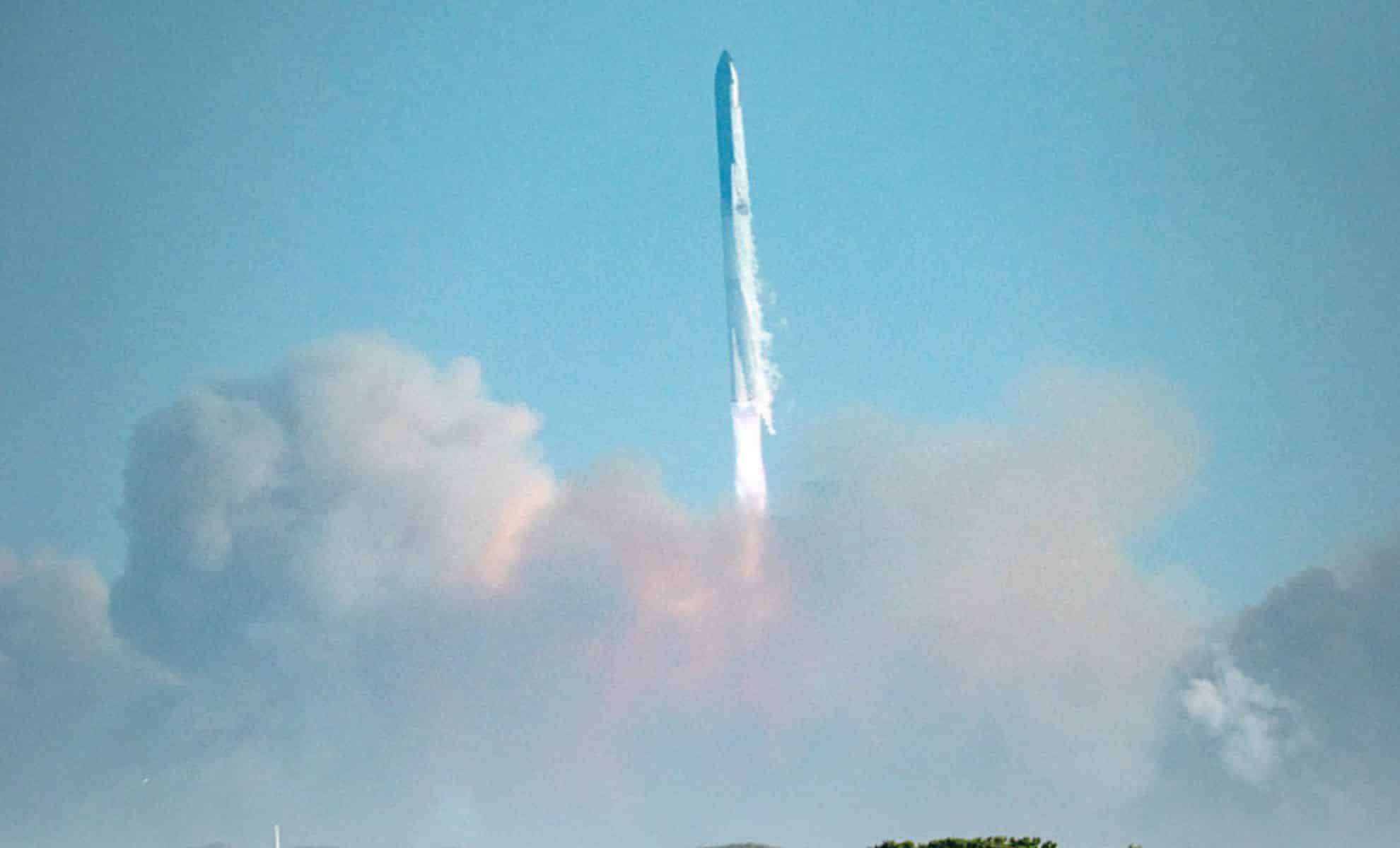
On May 27, 2025, SpaceX’s colossal Starship prototype concluded its latest test flight in a dramatic failure above the Indian Ocean. While improvements were evident compared to previous missions, the spacecraft broke apart mid-flight after encountering several technical setbacks during its ascent and orbit phase, falling short of the planned 66-minute duration.
Initial Progress Overshadowed by Challenges
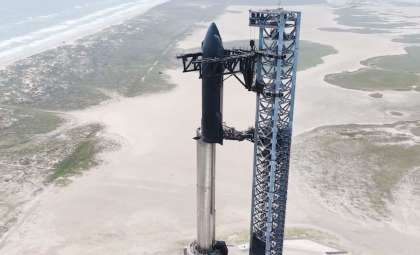
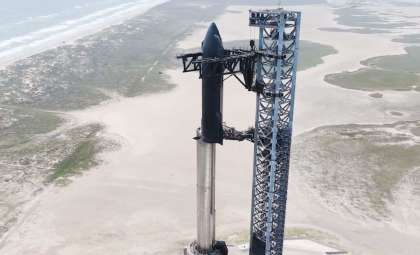
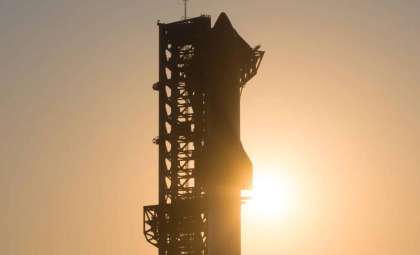
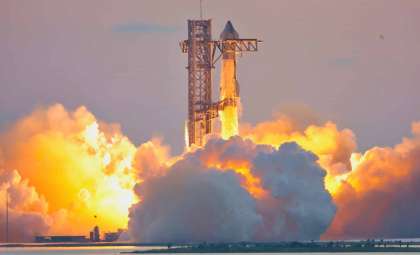
The imposing black-and-white launch vehicle, towering at 403 feet (123 meters), lifted off at 6:36 p.m. local time from the Starbase site in southern Texas. This recently incorporated city, now officially named Starbase, buzzed with excitement as teams hoped for a smoother journey following earlier upper-stage mishaps.
Trouble began early when the Super Heavy booster, responsible for the initial propulsion phase, failed to perform its controlled splashdown in the Gulf of Mexico and instead detonated. As the upper stage pushed forward, another complication arose when the payload bay doors did not open to release the satellite mock-ups, a crucial demonstration step.

Orbital Phase Falters Amid Multiple Malfunctions
Though Starship reached further than in earlier tests, it experienced multiple system malfunctions while in orbit. The spacecraft suffered propellant leaks and lost stability, spinning uncontrollably. Mission controllers initiated a venting procedure to minimize damage anticipation of the imminent breakup. Only 45 minutes into the flight, far before the planned landing near Australia’s western shore, live footage ceased, marking an early end.
SpaceX later confirmed the event as a "rapid unscheduled disassembly," their standard terminology for a catastrophic failure, while maintaining an encouraging outlook about the lessons gained. Elon Musk, the company’s CEO, revealed plans to speed up the test schedule, targeting launches roughly every 3 to 4 weeks for the next three flights.
Excitement Builds as NASA Eyes Lunar Plans
The event attracted numerous spectators, including space enthusiasts and tourists. Crowds assembled at Isla Blanca Park on South Padre Island, and boats gathered offshore to observe the launch firsthand. Elon Musk was visible at mission control as the countdown progressed.
Attendees like Piers Dawson, who journeyed from Australia, and Austin-based entrepreneur Joshua Wingate, shared heartfelt reactions. Wingate commented, "Each test teaches us something new, so it was thrilling to witness despite the outcome."
Aside from public interest, Starship carries significant strategic value. NASA has selected a Starship variant to serve as the lunar lander for the Artemis 3 mission, a pivotal step in humanity's return to the Moon.
SpaceX Advances with Reusability and Expanded Launch Quotas
This flight marked the ninth integrated test of the Starship-Super Heavy system and introduced a previously flown Super Heavy booster, underscoring SpaceX’s focus on hardware reuse. The company chose not to attempt its usual mid-air catch with robotic arms, instead experimenting with a steeper descent path and disabling one engine to test operational limits.
This test coincided with increased regulatory approvals. The Federal Aviation Administration (FAA) has authorized an increase in Starship launches from five to twenty-five annually, assessing that the boost presents no significant environmental concerns.
SpaceX continues to push the boundaries in its aggressive quest to make interplanetary travel routine, treating setbacks as opportunities to refine this revolutionary spacecraft. With ambitious goals and a rapid testing pace, each failure narrows the gap between trial and success.
- Categories:
- News




0 comments
Sign in to Comment