
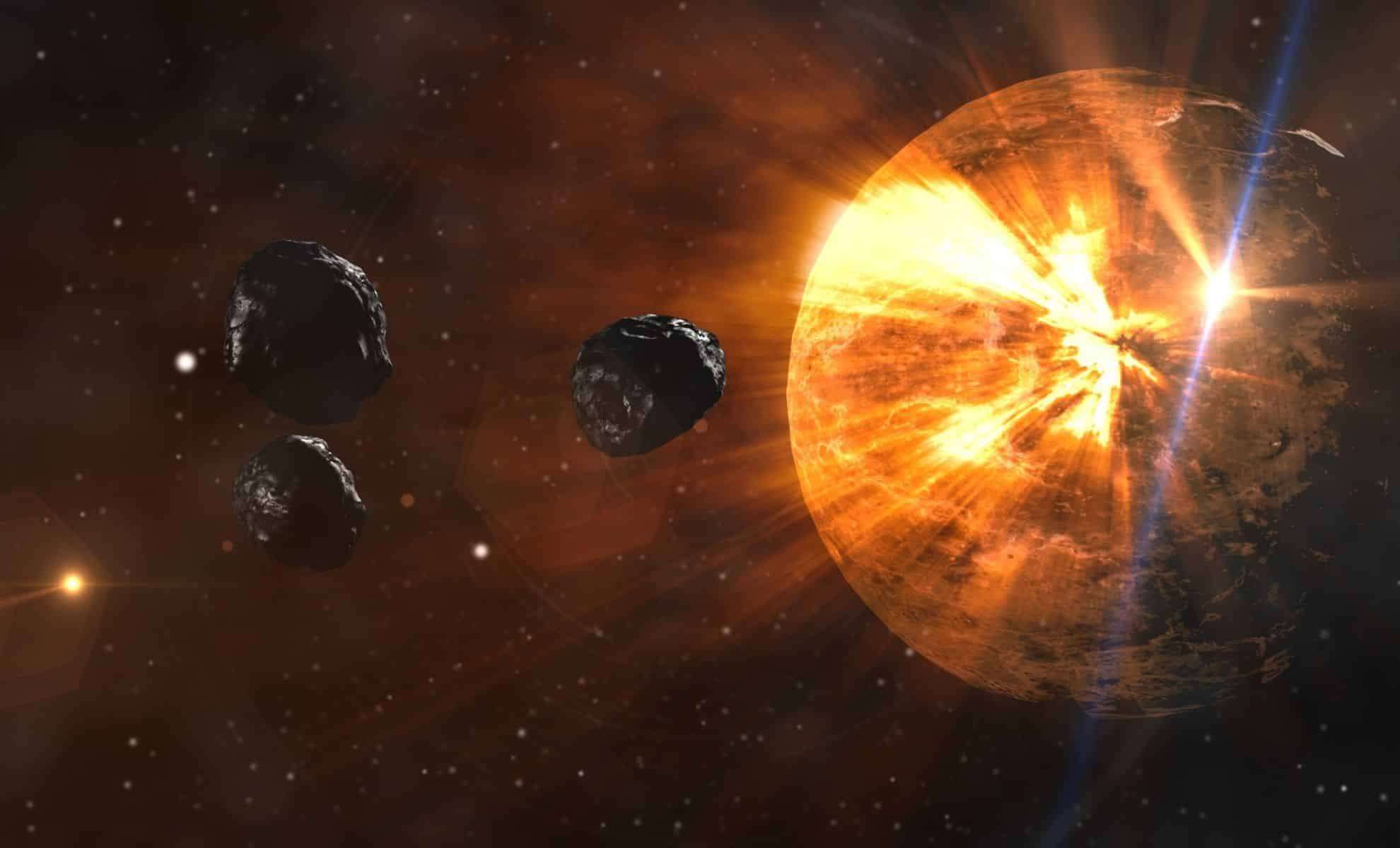
Researchers have uncovered evidence suggesting a vast population of asteroids may be quietly orbiting the Sun alongside Venus. A recent investigation led by Valerio Carruba from São Paulo State University presents simulations indicating the presence of numerous previously unrecognized objects in Venus’ orbital path. This finding, shared in a study released on arXiv, sheds new light on the complex orbital environment of Venus and may alter our broader understanding of solar system dynamics.
Venus remains one of the solar system's more enigmatic planets, and the possibility of an unseen population of co-orbital asteroids adds an unexpected dimension to its mysteries. These Venus co-orbitals are elusive to ground-based telescopes due to their close proximity to the Sun from Earth's viewpoint. The study hints that many more such bodies could exist, obscured from observation but holding valuable clues about the inner solar system’s architecture.
Unveiling the Hidden Group of Venus Co-Orbital Asteroids
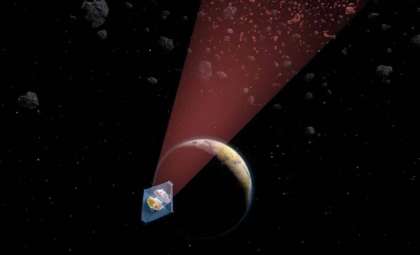
Asteroids sharing Venus’ orbital trajectory, known as Venus co-orbitals, move along with the planet as it circles the Sun. Until now, only about two dozen of these objects have been identified, but Carruba’s team proposes that this tally likely underestimates their true number. Their computer models suggest that hundreds of these asteroids could be positioned near Venus, concealed by the Sun’s glare.

“Discovering this is like stumbling upon a whole continent previously unknown,” explained Valerio Carruba in an interview with Space.com. “It’s very plausible that many more asteroids remain undetected.” This realization highlights a major blind spot in our solar system knowledge and suggests the population of Venus co-orbitals is far richer than earlier estimates indicated.
Why Venus Co-Orbitals Are Difficult to Spot
Tracking these objects is challenging due to their location near the Sun's vicinity in the sky, which hampers observations from Earth. Their swift orbital motion compounds the difficulty of identifying and monitoring them with current telescope technology. Nevertheless, Carruba’s team has employed advanced simulations that reveal these asteroids might be far more numerous than officially cataloged.
“We cannot pinpoint an exact number yet,” Carruba commented, “but the likelihood of discovering hundreds of Venus-centered asteroids is high.” The simulations, which modeled the orbits of numerous hypothetical co-orbitals, underscore the dynamic complexity of their motions. Some asteroids appear to follow unpredictable trajectories that can evolve over time, occasionally bringing them nearer to Earth’s orbit.
Behavior and Orbital Patterns of Venus’ Co-Orbitals
The orbital mechanics of Venus co-orbitals are fascinatingly varied. While certain bodies maintain nearly circular paths alongside Venus, others traverse elongated orbits that intermittently approach Earth. The models indicate these asteroids remain gravitationally linked to Venus for roughly 12,000 years on average. Despite their chaotic orbits, the chance of any posing an immediate threat to Earth seems very low, although their long-term trajectories warrant continued observation.
“Understanding these asteroids is crucial,” said Carruba. “Their dynamic properties make them scientifically valuable, and ongoing research is essential.” Gaining deeper knowledge about these co-orbitals can enhance our comprehension of planetary dynamics as well as inform assessments of potential Earth impact risks.
- Categories:
- News






0 comments
Sign in to Comment