
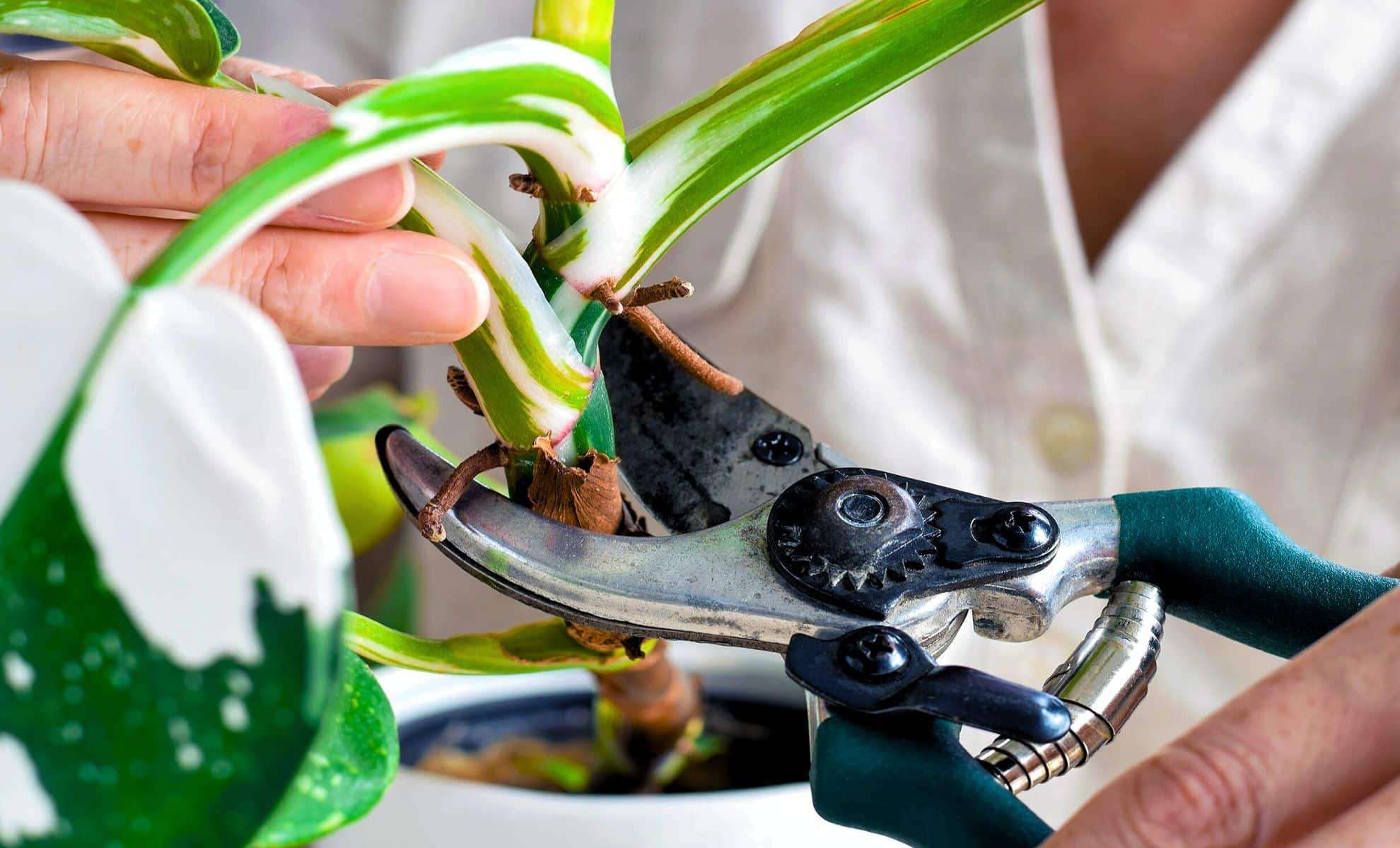
Picture yourself strolling through a crop field, suddenly detecting faint ultrasonic clicks coming from the plants. What once seemed like science fiction is now backed by scientific evidence. These sounds are not arbitrary but represent a form of communication that might transform our understanding of plant behavior and their environmental interactions.
Plants Emit Sounds in Response to Stress
An innovative study spearheaded by evolutionary biologist Lilach Hadany at Tel Aviv University shows that plants generate distinct clicking noises resembling ‘cries’ when under severe stress, such as dehydration or injury, which are inaudible to humans without advanced detection devices.
Although these ultrasonic emissions go unnoticed by the naked ear, the study suggests they serve as warning signals that could alert other living beings to the plant’s distressed state.

Hadany notes, “Even in a seemingly silent field, hidden sounds exist that convey valuable information.” This implies that plants may use sound to communicate with specific insects or animals sensitive to these frequencies.
Her research group continues to examine how these acoustic signals influence other organisms within the plant’s surrounding ecosystem.
Advancements in Understanding Plant Stress Signaling
Alongside these acoustic revelations, researchers at Cornell University have uncovered new insights into the internal mechanisms plants use to signal stress.
Published in Proceedings of the National Academy of Sciences, their findings pinpoint negative pressure changes within the plant’s vascular system as the primary means of transmitting stress signals.
When subject to adverse conditions such as drought or physical injury, shifts in the internal pressure balance initiate a series of mechanical and chemical responses aimed at managing the stress.
Postdoctoral researcher Vesna Bacheva explains that this alteration triggers signals that rapidly travel throughout the plant, coordinating its reaction to the challenge.
Bacheva states, “Our model clarifies the processes behind signal transmission and the propagation of both mechanical and chemical cues.”
This breakthrough enriches our comprehension of plant biology and hints at future technologies allowing plants to be programmed to handle environmental threats.

Impact on Future Farming Practices
The practical implications of this research could greatly benefit agriculture. Imagine farmers receiving real-time alerts from crops indicating their well-being and requirements.
Plants capable of communicating their needs—such as hydration levels or pest threats—could revolutionize farming by making it more adaptive and precise.
Scientists are developing reporter plants that could visually signal stress by changing color or glowing, offering an easier way for growers to track crop health.
The long-term vision includes establishing a two-way communication channel where farmers can send signals to crops, prompting them to adjust water usage or prepare for drought conditions.
Ecological Role of Plant Ultrasounds Explored
Beyond agriculture, the discovery of plant acoustics invites a fresh perspective on their ecological interactions. Plants might use these ultrasonic sounds not only to communicate among themselves but also to engage with insects and animals nearby.
The ability of certain species to detect these frequencies indicates a sophisticated interaction within ecosystems that was previously unrecognized.
Hadany’s team is investigating whether these signals affect pollinators or herbivores, pondering if plants use sound as an advanced ecological tool. Answering these questions is central to ongoing research into the acoustic communication of plant life.
As Hadany remarks, “Plants coexist with insects and animals that communicate through sound, so it’s likely they use acoustic signals as well.”
- Categories:
- News












0 comments
Sign in to Comment