

Researchers at Lund University have identified a 21% increase in lymphoma risk among people with tattoos compared to those without. Their extensive Swedish study examined 11,905 individuals aged 20 to 60, including 1,398 diagnosed with lymphoma from 2007 to 2017.
Published in eClinicalMedicine, the results showed that lymphoma risk did not differ based on how much tattooed skin participants had. Those with less than 0.3 square meters of tattoo coverage faced similar risks to people sporting larger designs, indicating that the immune system reacts to ink presence itself, not pigment quantity.

This investigation represents the largest epidemiological review into the long-term systemic effects of tattoo ink. While prior studies concentrated on localized skin reactions, the Lund team shed light on cancer development throughout the body, noting the highest risk appears within the first two years after getting tattooed.

Utilizing the Swedish National Cancer Register, researchers matched lymphoma cases to controls by age and sex in a 1:3 ratio, adjusting for lifestyle variables such as smoking and education to better isolate the influence of tattoo ink.
Ink Chemistry and Movement Through the Lymphatic System
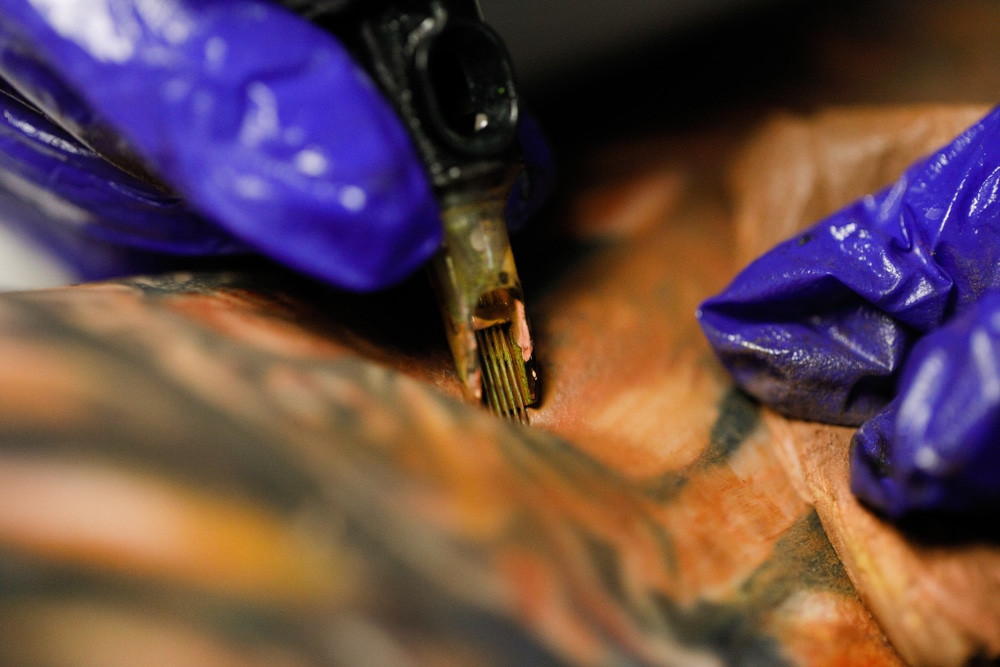
A central issue is how tattoo pigments travel from skin layers into the lymphatic network. Once injected, the immune system recognizes the ink as foreign, prompting immune cells like macrophages to carry pigment particles to nearby lymph nodes.
The Lund University study highlighted in eClinicalMedicine explains that this pigment storage fosters chronic low-level inflammation. Harmful substances such as polycyclic aromatic hydrocarbons (PAHs) and trace metals, known carcinogens according to the International Agency for Research on Cancer (IARC), contribute to this prolonged immune response.
Analyses of tattoo ink ingredients reveal frequent contamination with hazardous chemicals. A 2023 publication in Cosmetics identified primary aromatic amines and heavy metals like nickel and chromium in many inks, often escaping regulation because they are impurities rather than declared additives.
The European Union’s REACH regulation has limited the use of over 4,000 toxic substances in tattoo inks from January 2022. However, this study’s cohort primarily includes tattoos applied before such restrictions, reflecting exposure to earlier, unregulated ink formulas.
Further microscopic examinations revealed that pigment particles do not stay fixed in the skin. Autopsy findings have detected titanium dioxide and carbon black within lymph nodes, causing structural modifications in those tissues.
Immune System Interaction and Risk Timeline
The immune system continuously monitors tattoo pigments well beyond the healing period. Research published in the Journal of Clinical Medicine describes ongoing immune surveillance, requiring specialized cells to keep the ink particles contained.
Lund University’s findings revealed a U-shaped lymphoma risk curve: risk declined between 3 and 10 years after tattoo application but rose again after 11 years or more. This pattern suggests that immune interactions with aging ink or immune system changes may influence cancer risk over time.
The lymphoma subtypes linked with tattoos are diffuse large B-cell lymphoma and follicular lymphoma, both forms of non-Hodgkin lymphoma targeting B cells. The study did not establish a significant link to Hodgkin lymphoma, likely due to smaller sample size.
Persistent immune activation is recognized as a precursor to certain lymphatic cancers. Continuous immune stimulation heightens the chance of genetic abnormalities during cell replication, with tattoo pigments lodged in lymph nodes serving as a constant source.
The research has limitations, including reliance on self-reported tattoo details like age and size. Although lymphoma diagnoses were confirmed through national records, specific ink brands and chemical concentrations were unknown, hindering identification of particular risky pigments or manufacturers.
Regulations and Safety Challenges in the Tattoo Industry
Tattooing has long functioned with minimal oversight regarding pigment safety. Many inks originate from industrial products like car paints or printer toner, never originally intended for skin injection.
The Concawe report on Polycyclic Aromatic Hydrocarbons outlines how PAHs are widespread in industrial carbon black, the main component in black tattoo inks, exposing almost all wearers to these carcinogens.
Regulations are tightening, including the 2022 Modernization of Cosmetics Regulation Act (MoCRA) in the U.S., which enhances FDA oversight of tattoo ink makers, enforcing facility registration and adverse event reporting.
Manufacturers must now prove their ingredients’ safety, yet comprehensive long-term human clinical testing on tattoo dyes remains scarce, relying heavily on animal studies or cell lines, which may not fully predict decades-long effects.
Recent dermatology studies in the Journal of the French Academy of Dermatology report increased cases of delayed hypersensitivity reactions to tattoos, sometimes surfacing decades later as granulomatous or lichenoid skin eruptions, indicating late immune rejection.
Metals like cobalt and cadmium in tattoo inks can interfere with Magnetic Resonance Imaging (MRI), risking thermal burns. Radiologists now routinely document tattooed areas before scans to mitigate such hazards.
- Categories:
- Science













0 comments
Sign in to Comment