

A recent examination of 81 popular headphone models available in Europe has revealed the presence of harmful chemicals in every single item evaluated, as reported by the ToxFree LIFE for All project on February 19. The study identified substances such as bisphenols, phthalates, and flame retardants in various parts, including ear cushions and headbands, with bisphenol A found in 98 percent of the samples.
Consumer groups from five European countries—Czech Republic, Slovakia, Hungary, Slovenia, and Austria—along with headphones bought via online retailers like Temu and Shein, participated in the research. A total of 180 material samples drawn from these 81 models were analyzed, revealing that bisphenols appeared in 177 of the samples. These chemicals are recognized as endocrine disruptors, capable of disturbing hormonal balance.
The study detected various bisphenol compounds including bisphenol A and bisphenol S across numerous brands with concentrations varying widely. Some samples exhibited bisphenol A levels exceeding 300 mg/kg. Although the European Chemicals Agency has suggested a reference level of 10 mg/kg for bisphenol A in objects, mandatory limits for most consumer electronics are currently lacking.

In addition to bisphenols, the research uncovered phthalates used as plasticizers, chlorinated paraffins, and numerous flame retardants such as brominated and organophosphate types. According to EU regulations, these chemicals are classified as carcinogenic, reproductive toxins, or persistent organic pollutants, as detailed here.
Bose, Samsung, Sony Among Brands with Concerning Levels
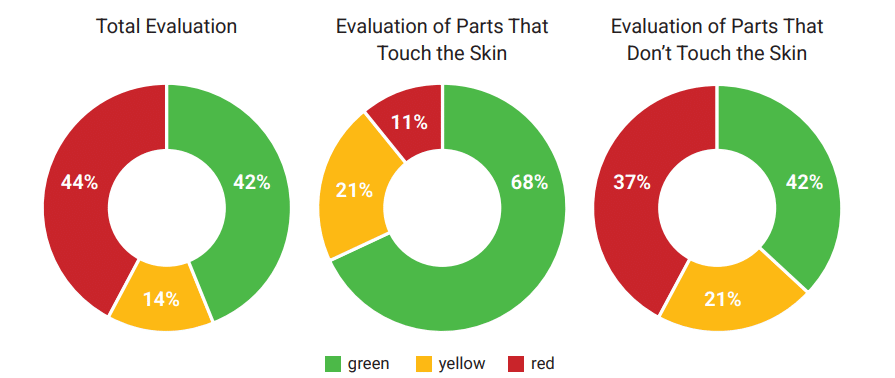
The project categorized headphone models by chemical concentration and associated hazard levels. Models surpassing precautionary thresholds were flagged with a red rating.
Models assigned a red rating include:
- Samsung Galaxy Buds3 Pro
- Beats Solo 4
- Sennheiser Accentum True Wireless and Momentum 4
- Panasonic RB-HX220BDEK
- Bose QuietComfort
- Sony WF-1000XM5
- JBL Wave Beam
- Jabra Elite 10 Gen 2
- Marshall Motif II ANC
- Logitech G733 LIGHTSYNC
- SteelSeries Arctis Nova 5
- Razer Kraken V3
- HyperX Cloud III
Green-rated headphones include:
- Huawei Free Buds Pro 3 and 4
- Philips TAK4206
- Sony WH-1000XM5
- Apple AirPods Pro 2 (USB-C iteration)
- AirPods Max 2024
- JBL Tune 720BT
The investigation found no link between the cost of headphones and the presence of hazardous chemicals. Both high-end and more affordable models were found in red and green categories, indicating price is not a reliable indicator of chemical safety.
Heat and Sweat May Increase Chemical Exposure
Karolína Brabcová, a chemist from the Czech organization Arnika and one of the report’s co-authors, explained that these substances can leach from headphone materials into the body. "Headphones are typically worn for extended periods and often during physical activity, where heat and perspiration can accelerate the migration of chemicals to the skin," Brabcová stated.
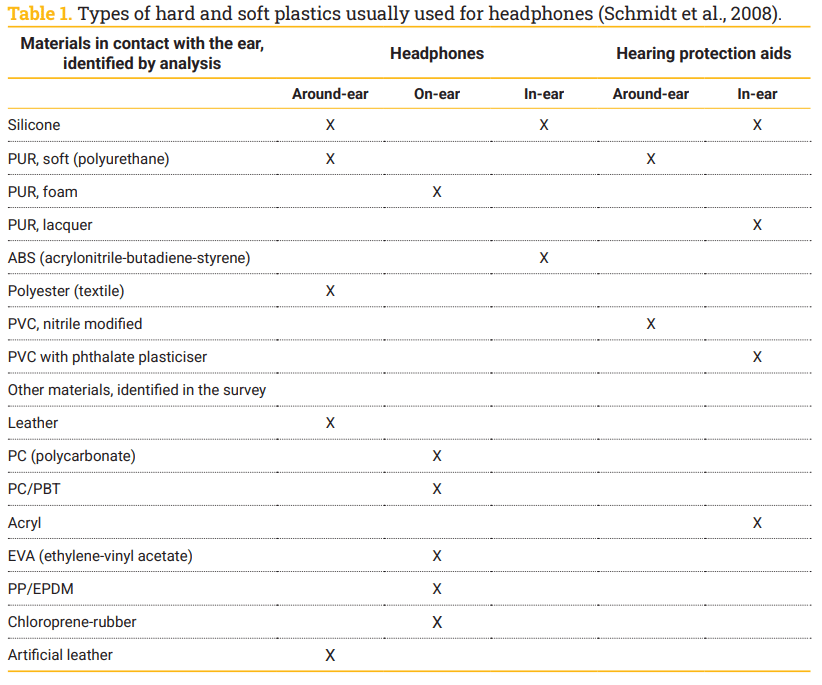
The team's analysis differentiated between skin-contact elements like ear cushions and headband padding—materials typically made from polyurethane, ethylene vinyl acetate, or silicone—and parts without skin contact. The skin-contact components contained the highest levels of plastic additives.
While the quantity of chemicals from headphones alone may be minimal, the researchers emphasized that individuals are exposed to these substances daily from numerous products such as food wrappers, receipt papers, beverage cans, and other electronics. This combined exposure, particularly during sensitive growth periods like adolescence, underpins concerns about long-term health effects.
Limitations of Regulating Chemicals One by One
Although EU rules restrict bisphenol A in items like baby bottles and thermal paper, no specific caps exist for its use in consumer electronics or audio gear. The Restriction of Hazardous Substances Directive targets metals like lead and cadmium and certain flame retardants but excludes bisphenols and many phthalates found in headphones.
Report authors caution that regulating individual chemicals leads producers to substitute banned substances with similar compounds that may carry equally harmful effects. Bisphenol S, identified in over 75% of samples, is increasingly used since bisphenol A restrictions, yet also disrupts endocrine function.
These additives complicate recycling efforts, as contaminated materials degrade the quality of recycled plastics. The EU's new Ecodesign for Sustainable Products Regulation, adopted in 2024, mandates digital product passports disclosing chemical content, though full implementation is slated for 2027 or later.
Long-Term Exposure the Main Concern
The ToxFree LIFE for All initiative is supported by the EU Life Programme and the Czech Ministry of the Environment. Contributors include Arnika, dTest, Austria's VKI, Hungary's Tudatos Vásárlók Egyesülete, and Slovenia's ZPS.
This investigation focused solely on measuring chemical levels in materials without evaluating health impacts or tracking chemical absorption by users. The experts concluded that no immediate health threat arises from typical headphone use. Instead, worries center on the cumulative, chronic exposure over years or decades among consumers.
The European Chemicals Agency had not issued a comment regarding the findings at the time of publication, nor do its current regulatory plans cover headphone materials.
Companies named in the report have yet to respond publicly. Nonetheless, firms such as Apple, Sony, and Bose have previously released guidelines limiting bisphenol A in their supply chains, albeit as voluntary measures rather than mandates.
The complete report, titled “The Sound of Contamination,” is accessible through Arnika, providing in-depth chemical analyses of each headphone model tested.
- Categories:
- News












0 comments
Sign in to Comment