
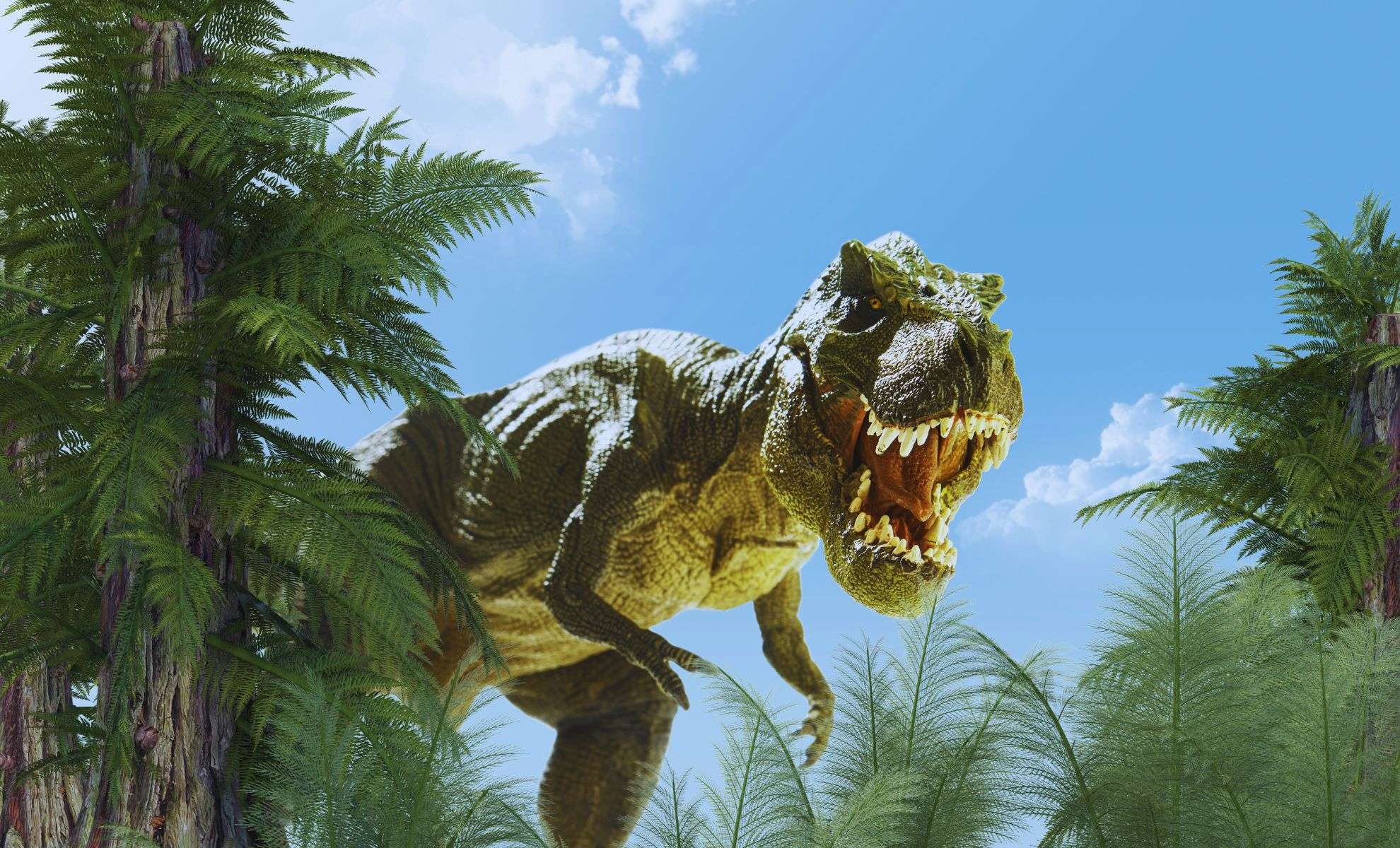
A recent investigation featured in Current Biology, entitled “Carnivorous dinosaur lineages adopt different skull performances at gigantic size”, uncovers remarkable variation in the predation techniques among some of the largest carnivorous dinosaurs. By examining fossilized skulls, scientists discovered that while certain species were designed to cut through thick layers of flesh, others specialized in delivering powerful bites capable of shattering bones.
Varied Predatory Strategies and Adaptations
Andre Rowe and Emily Rayfield, researchers at the University of Bristol, examined skulls from 18 theropod species, including iconic predators like Tyrannosaurus rex, Giganotosaurus, and Spinosaurus. Despite sharing traits such as bipedal stance, large heads, and intimidating teeth, their hunting techniques diverged substantially.
Eric Snively of Oklahoma State University described Giganotosaurus as having slender, serrated teeth reminiscent of a mix between a great white shark and a Komodo dragon, ideal for slicing through meat. Meanwhile, the semi-aquatic Spinosaurus — likened to “a fin-backed heron with the body of a Wiener dog, and teeth like a crocodile” — was mainly adapted for catching oversized fish rather than terrestrial prey.

3D Modelling Highlights Differences in Jaw Strength
The team employed detailed 3D scans of skulls and utilized engineering methods typically applied to assess structural stresses in bridges to analyze how these dinosaurs bit and tore their food. By comparing jaw muscle attachments in these prehistoric reptiles to those of present-day birds and crocodilians, the researchers revealed that Tyrannosaurus exhibited a distinctive feeding specialization.
Giganotosaurus and Spinosaurus showed relatively weaker biting forces; in contrast, T. rex had a compact, robust skull delivering an extraordinary, bone-crushing bite that imparted more stress on its own skull than previously anticipated. This incredible jaw power likely enabled it to break bones of large prey, granting access to nutrient-rich marrow.
“These apex predators employed a wider range of feeding methods than we had imagined,” said Fion Waisum Ma from the Beipiao Pterosaur Museum of China. The vertebrate paleontologist also added, “T. rex lived during the Late Cretaceous Period, an era marked by intense hunting competition,” which may have contributed to its “distinctive approach to feeding.”
The Rise of an Apex Predator
According to paleontologist Fion Waisum Ma of the Beipiao Pterosaur Museum of China, the emergence of Tyrannosaurus during the Late Cretaceous Period coincided with a challenging era of hunting competition. This pressure likely influenced its evolution toward an exclusive, highly effective feeding method that helped it dominate other carnivores.
This research emphasizes that apex predators from prehistoric times exhibited a variety of feeding methods, reflecting differences not only in skull design but also in ecological roles across species and geological periods.
- Categories:
- News










0 comments
Sign in to Comment