
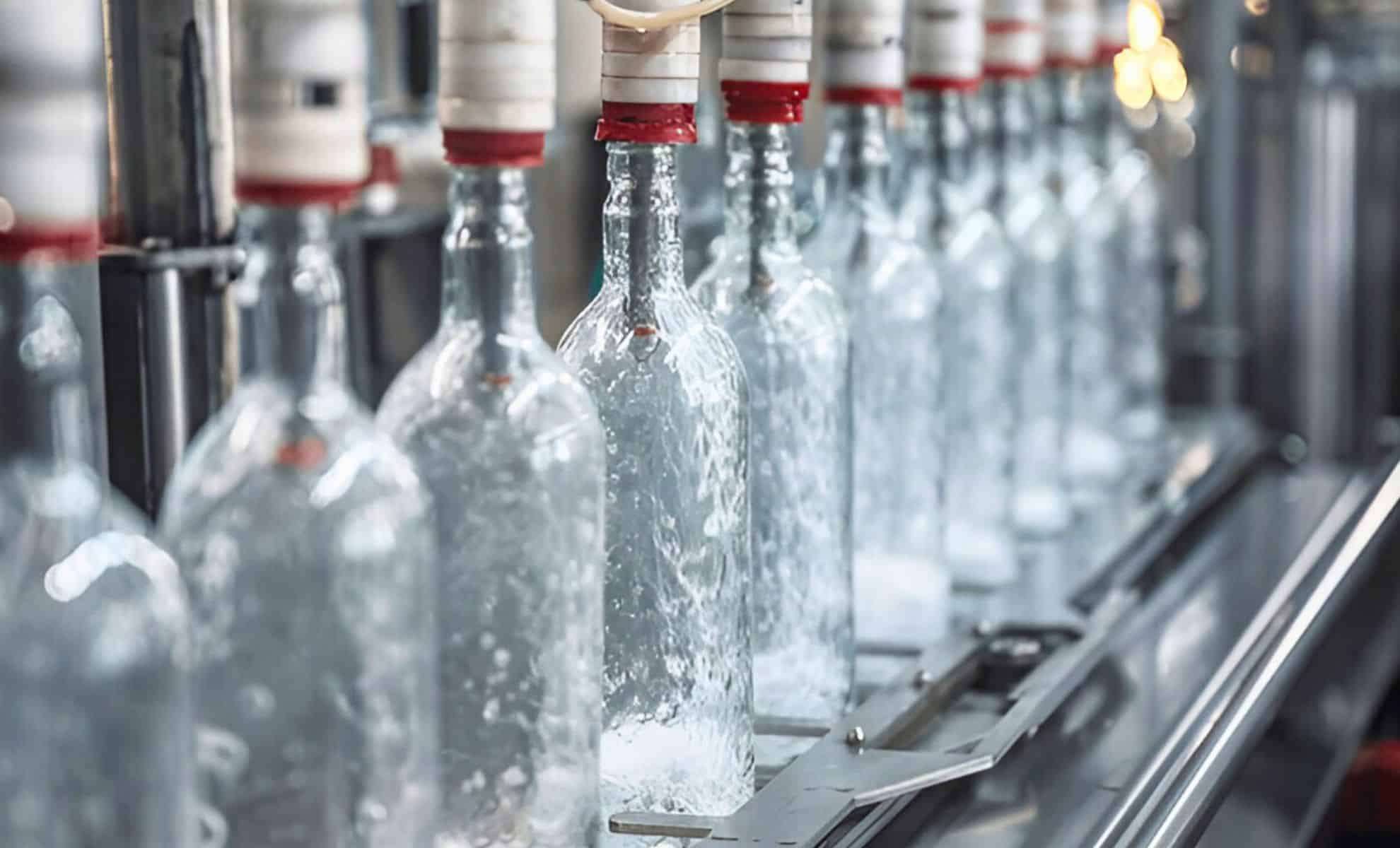
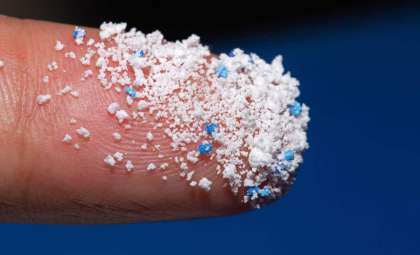
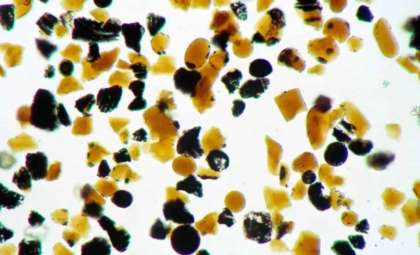
New research has unexpectedly revealed that beverages stored in glass bottles possess substantially higher concentrations of microplastics compared to their counterparts in plastic bottles. This surprising insight comes from a comprehensive investigation by France’s leading food safety authority, ANSES. Published in June 2025, the study exposed notable microplastic presence in common drinks including soda, iced tea, beer, and wine.
Unexpected Origins of Microplastic Presence
Under the leadership of Iseline Chaïb, a doctoral researcher at ANSES, the team analyzed the microplastic content in various beverages available in the French market. Their findings, detailed in the Journal of Food Composition and Analysis, revealed a surprising trend: drinks contained up to 50 times more microplastics when packaged in glass versus plastic or metal containers.
Specifically, drinks such as cola, lemonade, and beer averaged around 100 microplastic particles per liter when housed in glass bottles. “We were taken aback by these results,” Chaïb commented, emphasizing the unexpected nature of their discovery.

Investigation pointed to the culprit not being the glass but the caps sealing the bottles. The researchers identified the paint layers on the metal caps, which contain plastic compounds, as primary sources of contamination. The microplastic particles detected precisely matched the characteristics of the plastics used in these paints.
Moreover, wear and tear, manifesting as minute scratches on the caps caused during storage and handling, appeared to escalate the release of these microplastic fragments into the drinks.
Comparatively Minimal Microplastic Levels in Bottled Water
Although soft drinks and beers showed concerning levels, the study’s examination of water—both still and carbonated—demonstrated considerably lower microplastic contamination across both glass and plastic bottles. Within glass bottles, contamination was found to be around 4.5 particles per liter, whereas plastic bottle counterparts had about 1.6 particles per liter.
This reduced contamination in water likely results from its simpler composition compared to more complex drinks like sodas or beers, which contain additional ingredients that might interact with bottle components.
Despite these lower values in water, the pervasive presence of microplastics in many everyday beverages highlights an ongoing environmental and health concern. While no definitive evidence links these microplastics to direct health risks, their abundance in commonly consumed products continues to alarm scientists and public health officials worldwide.
Recommendations and Industry Actions
Following these discoveries, ANSES advised that beverage producers could apply straightforward modifications to curb microplastic levels. A notable approach involves thoroughly cleaning bottle caps prior to sealing. Experiments involving rinsing and air-blowing caps with water and alcohol led to an impressive 60% drop in microplastic contamination.
Guillaume Duflos, ANSES’s research director, highlighted that such preventative measures are feasible to adopt at an industrial scale, encouraging manufacturers to reassess bottling practices.
Although these interventions could significantly lower contamination, the team stressed the necessity for ongoing studies to fully elucidate microplastic impacts, especially regarding beverages like soft drinks and beer, which show the highest contamination levels.
- Categories:
- News









0 comments
Sign in to Comment