
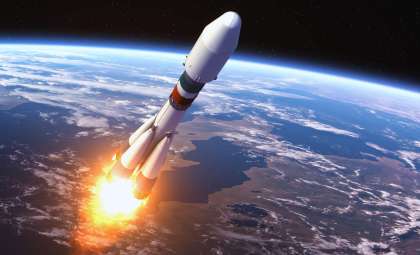
The recently deployed satellite, Sentinel-5A, has started delivering initial images that provide valuable new perspectives on Earth's atmospheric conditions. Since its launch in August 2025, this satellite has been actively mapping atmospheric gases, pollutants, and closely observing the notorious ozone hole above Antarctica.
Equipped with sophisticated sensors, Sentinel-5A can detect various atmospheric components, including nitrogen dioxide concentrations in urban centers and sulfur dioxide emissions from volcanic events. This near real-time information enhances scientific understanding of air quality variations, tracks ozone layer restoration, and monitors the global distribution of harmful airborne substances.
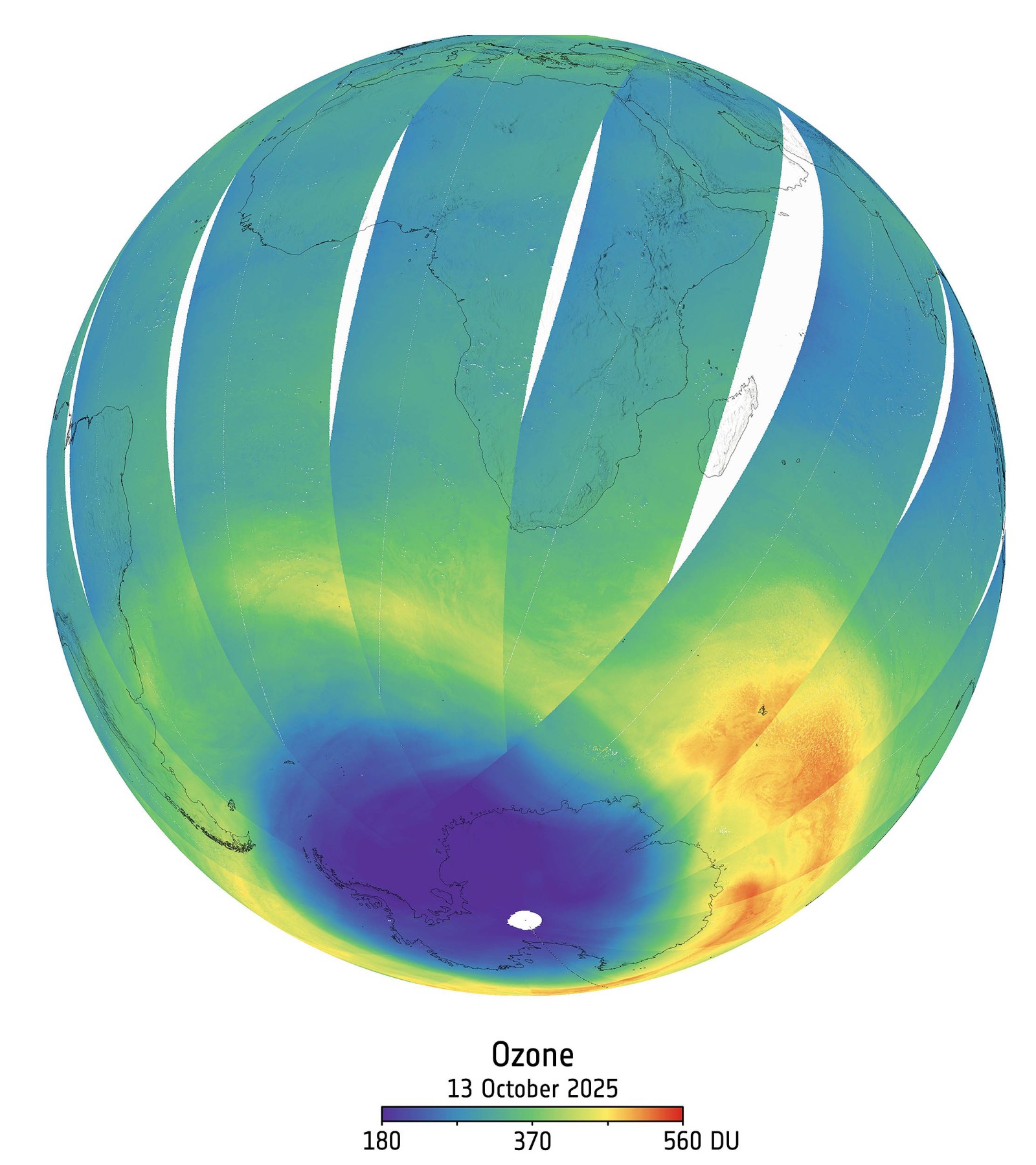
Examining the Antarctic Ozone Depletion
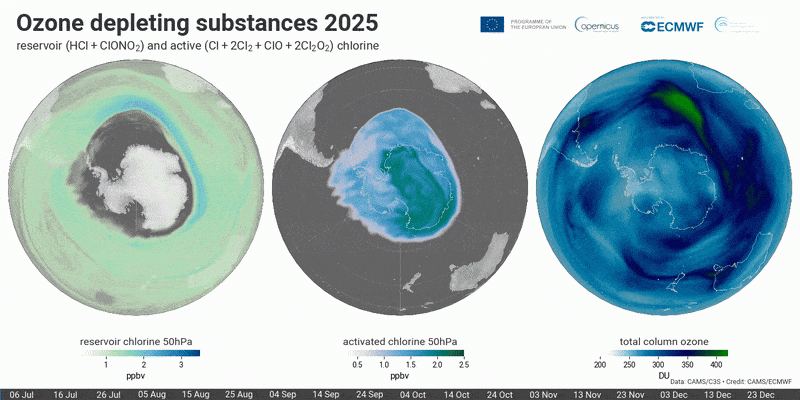
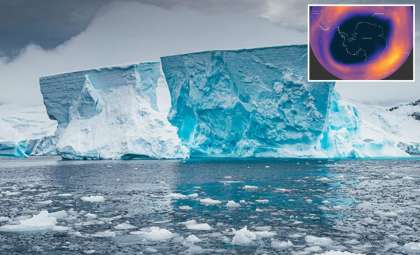
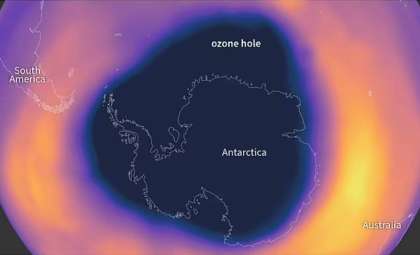
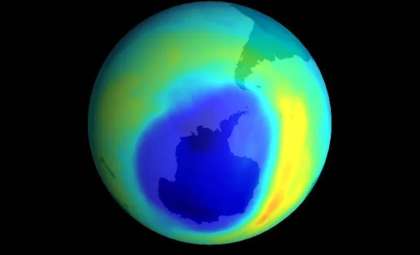
The European Environment Agency (EEA) reports that ozone levels in this region fall beneath 220 Dobson Units, marking significant depletion. One central mission of Sentinel-5A is to observe the ozone layer's condition. On October 13, 2025, it captured a precise image of the ozone hole over Antarctica.

The ozone layer serves as a vital shield against damaging ultraviolet rays but has suffered extensive harm due to certain pollutants. Following an international phase-out of ozone-depleting substances enacted in 1989, gradual healing has begun, yet ozone concentrations in polar areas still frequently drop below safe limits.
Mapping Nitrogen Dioxide Over Industrialized Regions
Sentinel-5A also identifies nitrogen dioxide levels in multiple regions, specifically over densely populated industrial zones. Imagery from the Middle East reveals notable nitrogen dioxide concentrations above metropolitan areas, oil processing sites, and power-generation facilities.
This pollutant, primarily stemming from fossil fuel combustion, poses significant health risks such as respiratory illnesses. Similarly, Sentinel-5A detected heightened nitrogen dioxide levels in Egypt’s Nile Valley, an area influenced by industrial discharges. These insights offer essential, contemporary data for shaping environmental policy and health strategies.
“It is exciting to see that an idea we have been working for more than a decade has come to life,” noted Heinrich Bovensmann of the University of Bremen.
Natural Emissions from Volcanoes and Wildfires
Among the remarkable visuals captured, a sulfur dioxide plume from Russia’s Klyuchevskaya volcano stands out. Volcanic eruptions inject substantial gases into the atmosphere, and Sentinel-5A’s detection capabilities are vital for assessing their environmental effects.
The satellite has additionally recorded formaldehyde in certain African regions, which originates from wildfires as well as natural biological processes. As pointed out by ESA’s Ben Veihelmann, these findings are crucial for comprehending how natural phenomena contribute to atmospheric pollution and influence global air composition.
“Sentinel-5 is a very powerful European mission to observe our atmosphere. With its long mission lifetime, Sentinel-5 will be instrumental for monitoring greenhouse gases, ozone layer recovery, and air pollution trends.”
The commencement of Sentinel-5A’s operations marks a significant advancement in environmental surveillance. By providing continuous, space-based measurements, this satellite enhances the ability to monitor air quality, pollutant dispersal, and atmospheric transformations worldwide.
- Categories:
- News





0 comments
Sign in to Comment