
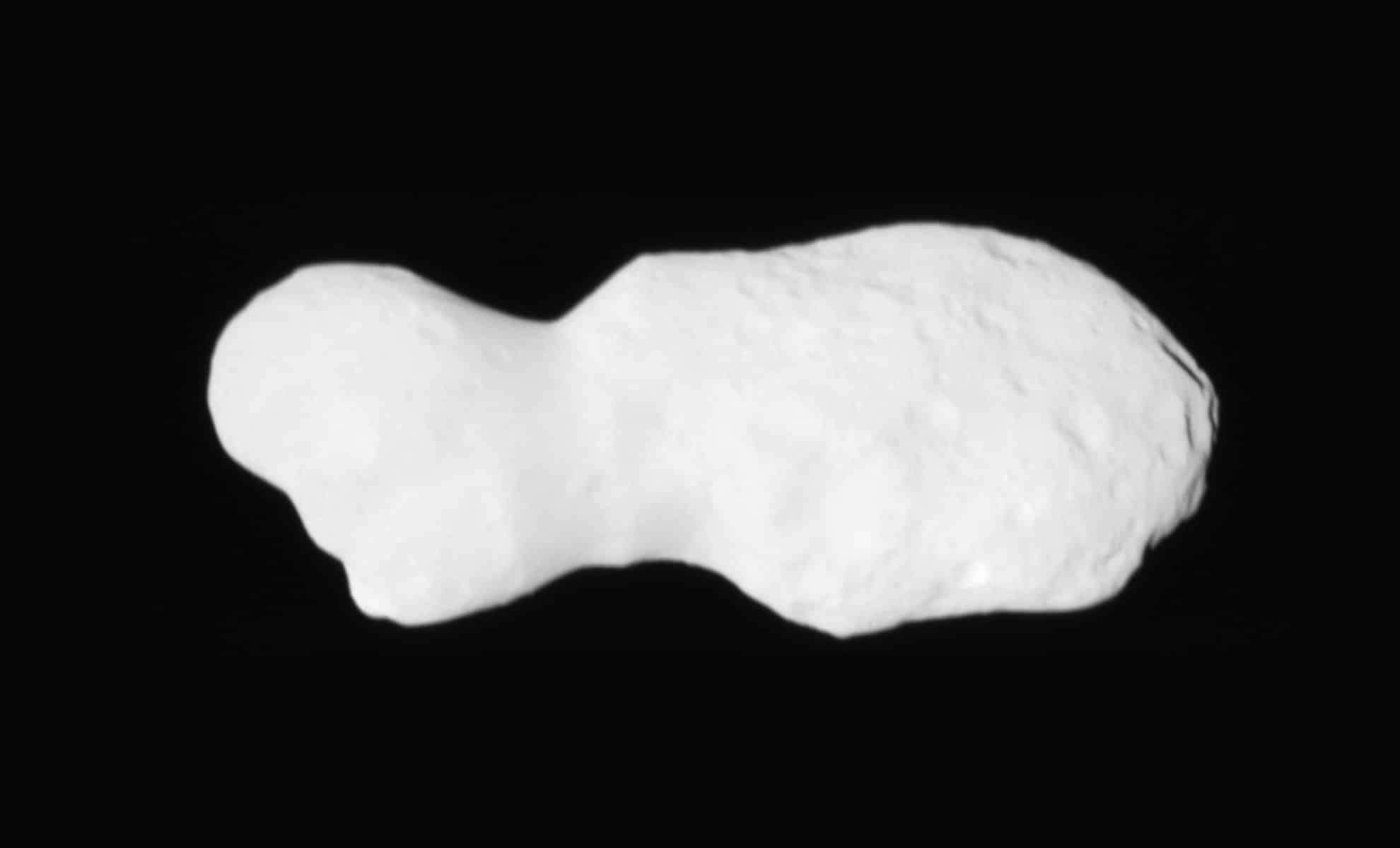
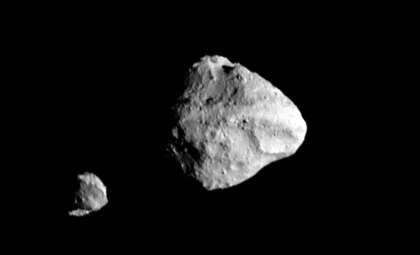
On April 20, NASA’s Lucy spacecraft completed a critical close approach to the main-belt asteroid Donaldjohanson, capturing detailed imagery that serves as an essential rehearsal before its primary mission phase. These photographs taken just prior to closest proximity not only highlight this remote celestial body but also mark a crucial milestone in fine-tuning NASA’s preparations for future encounters with the Jupiter Trojan asteroids. This successful operation boosts confidence in Lucy’s readiness to undertake its complex journey ahead.
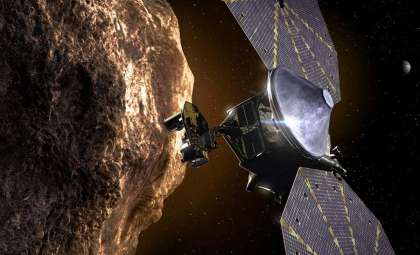
Currently, Lucy travels through the asteroid belt at speeds surpassing 30,000 mph (50,000 km/h) en route to the outer solar system’s colder zones. Its mission promises an extraordinary exploration of ancient solar system relics. The next pivotal event is scheduled for August 2027, when Lucy will execute a flyby of the Trojan asteroid Eurybates, representing a key achievement for the mission team.
The Importance of the Donaldjohanson Flyby
The close encounter with Donaldjohanson was far more than routine—it was a crucial trial run. It allowed the team to rigorously test on-board instruments like the L’LORRI camera and evaluate their performance in the deep-space environment. The high-quality images gathered helped refine methodologies to be employed when Lucy arrives at its primary targets, the Trojan asteroids.

This operation also enhanced scientists’ ability to manage and interpret data from dim and remote space objects. Gathering empirical observations from such a little-known asteroid establishes a foundation of confidence and paves the way for future successful data collection throughout the mission.
Looking Ahead to Key Asteroid Encounters
The Jupiter Trojan asteroids are central to Lucy’s mission goals, as they represent ancient building blocks that formed the early solar system. Healthily harnessed data from Lucy’s flybys will yield critical insights into primordial solar system chemistry and physics, potentially solving enduring puzzles about planetary and lunar origins.
Over a concentrated 15-month period, Lucy will explore at least six asteroids, including Eurybates and two newly identified moons discovered by the mission crew. Due to the tight schedule, meticulous planning ensures maximum scientific return from each encounter, promising transformative revelations about our cosmic beginnings.
The success of the Donaldjohanson flyby underlines the importance of this preparatory phase. By testing procedures on a smaller and better-characterized asteroid, the Lucy team enhances its capacity to conduct more challenging operations in the future. Ultimately, this mission exemplifies NASA’s commitment to both pioneering exploration and continuous advancement in space mission techniques.
- Categories:
- News





0 comments
Sign in to Comment