
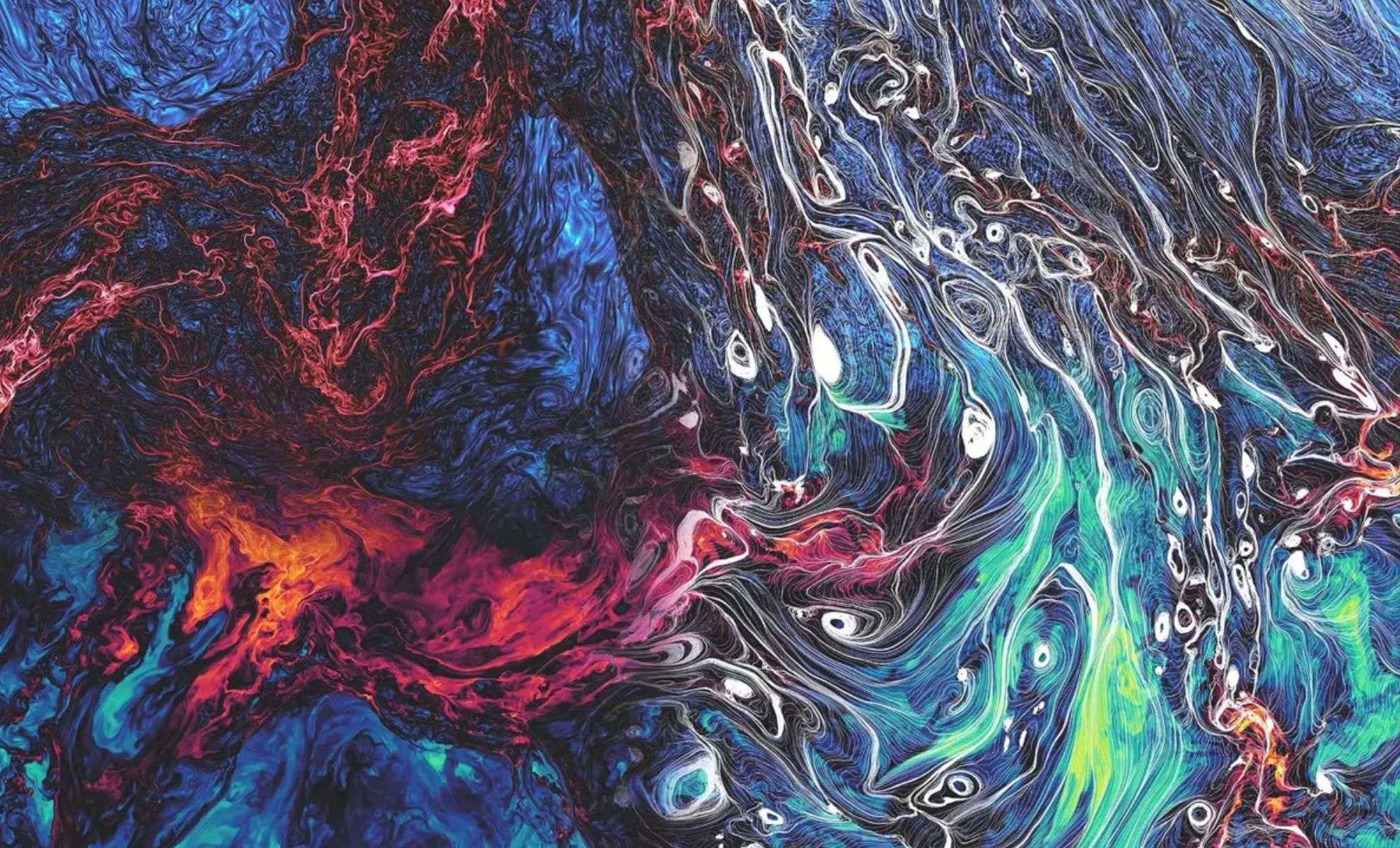
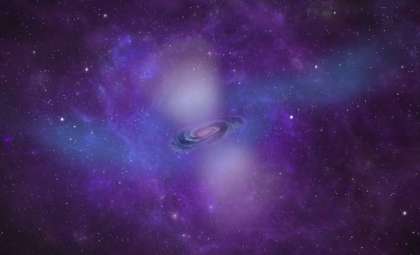
A recent study published in Nature Astronomy offers an extraordinary glimpse into the turbulent magnetic forces that shape our galaxy. Through state-of-the-art simulations, scientists have, for the first time, visualized the intricate relationship between magnetic fields and plasma turbulence operating on vastly different scales throughout the interstellar medium (ISM). These findings shed light on processes influencing everything from cosmic structures to Earth's immediate cosmic environment.
Unraveling Turbulence From Small to Vast Cosmic Scales
Turbulence presents one of physics' most intricate challenges, and its astral manifestations add further complexity that researchers are just starting to unravel. Lead researcher James Beattie remarked, “This is the inaugural occasion we've been able to examine these dynamics with such fine detail and across diverse scales.” Turbulence appears ubiquitously—from everyday phenomena like swirling cream in a coffee cup to the disordered plasma flows in the solar wind and the expansive voids between galaxies.
This investigation advances the field by meticulously replicating the turbulent magnetic landscape within the ISM, a milieu composed of ionized gases, dust particles, and cosmic rays. Gaining insight into these turbulent mechanisms is key to comprehending how matter and energy circulate and interact in space, influencing star birth, cosmic ray journeys, and the evolution of galaxies. The simulations produced detailed visualizations of magnetic irregularities and exposed intense density fluctuations within the ISM that earlier models overlooked.

Revolutionizing Our Grasp of Space Weather With Enhanced Simulations
This team’s advanced simulations unlock fresh perspectives for studying space weather—that is, the charged particles and magnetic fields capable of affecting satellites, astronauts, and Earth-based infrastructure. Beattie highlighted, “Our model distinctly captures extreme density variations in the ISM that previous models failed to include.” This progress aids in improving predictions about the movement of solar and cosmic particles through turbulent interstellar environments.
The implications for Earthly technologies and safety are considerable. Beattie noted, “We've begun comparing our simulation results with existing solar wind and Earth's space environment data, and the correspondence looks promising.” Accurate forecasting of space weather is vital for shielding satellites from harm, safeguarding space travelers, and understanding potential impacts on Earth’s electrical grids and communication networks.
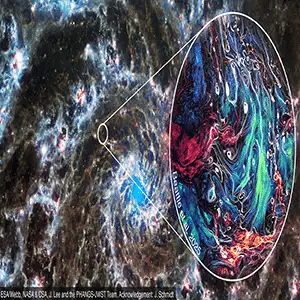
The Ongoing Enigma of Turbulence in Physics
Though turbulence is everywhere, it still poses a major unsolved problem in physics. James Beattie emphasized, “Turbulence remains one of classical mechanics' biggest mysteries,” underlining how hard it is to predict chaotic flows both on Earth and in space. This work introduces fresh insight by applying powerful computational resources and physics frameworks to simulate these intricate galactic magnetic phenomena.
By connecting phenomena from minuscule plasma eddies to expansive cosmic magnetic structures, this research paves the way to understanding how turbulence influences both local and widespread cosmic environments. These discoveries will enhance astrophysical models and could have far-reaching effects on future space missions and fundamental physics theories.
Enhancing Galactic Research With More Authentic Models
This breakthrough marks a significant milestone in astrophysics, providing scientists with a tool capable of simulating the ISM with exceptional realism. The new approach captures elusive phenomena that were difficult to analyze or mimic earlier, offering a robust platform to investigate the dynamic processes shaping the Milky Way.
Beattie summarized the significance: “This is truly exciting because it enables us to study space weather through our simulation. Space weather matters immensely since it involves charged particles that affect satellites, astronauts, and have repercussions on Earth.” This pioneering simulation stands to transform how space weather events are forecasted and understood—impacting technology resilience and astronaut safety.
- Categories:
- News




0 comments
Sign in to Comment