
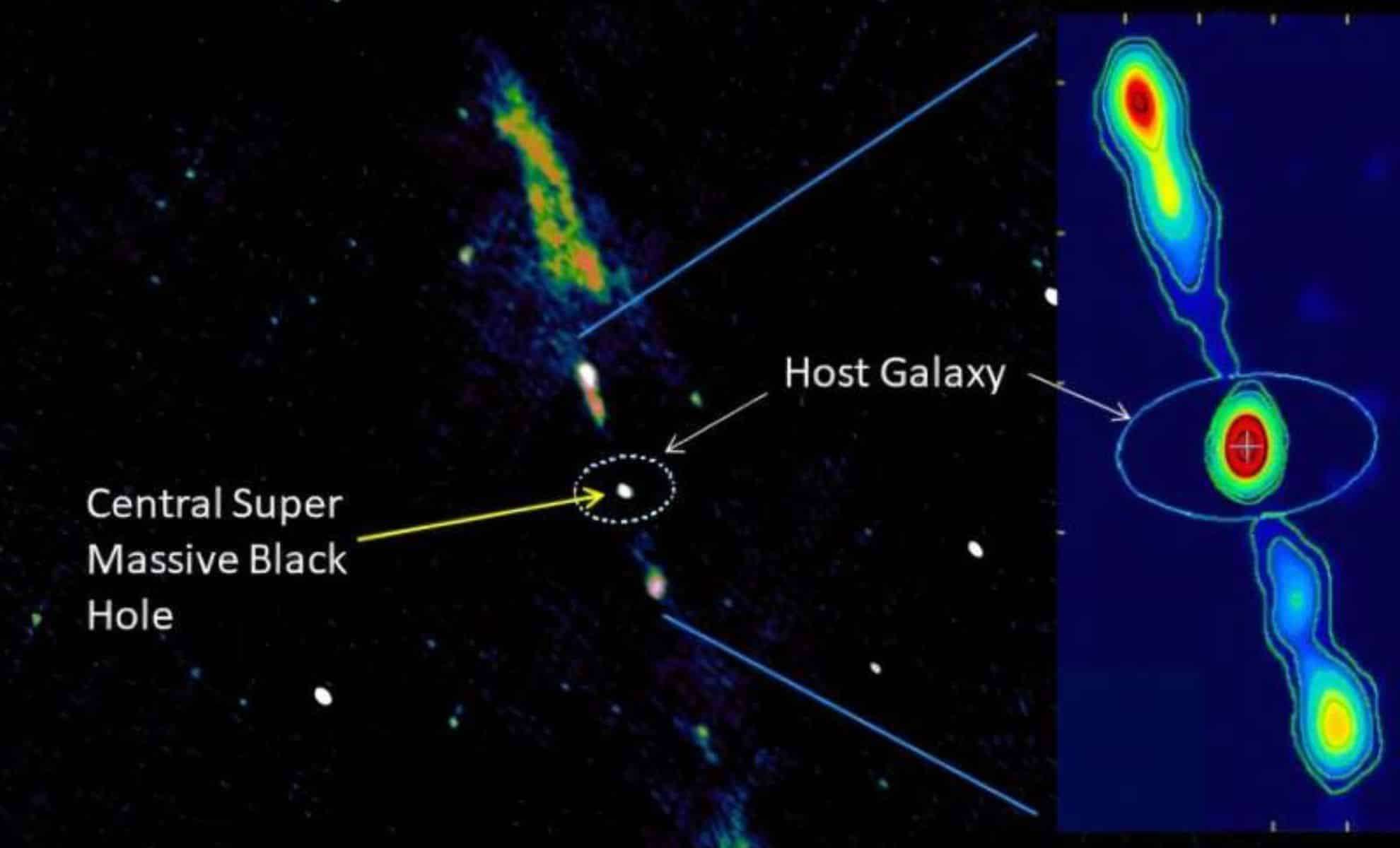
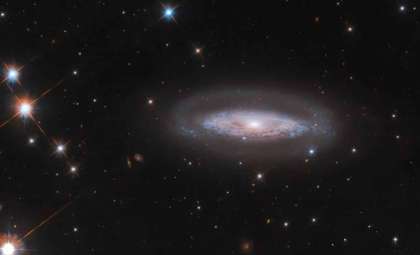
Scientists have identified a strikingly energetic galaxy far away that could provide insights into the destiny of the Milky Way. Situated nearly a billion light-years distant, this enormous spiral galaxy harbors one of the most vigorous black hole phenomena recorded within such a galaxy type—reshaping established ideas about galactic evolution and endurance.
Featured in the Monthly Notices of the Royal Astronomical Society, the study highlights that spiral galaxies, including our own, might not be as shielded from intense energetic events as previously assumed, and that the Milky Way's calm core could someday erupt, impacting life on Earth.
A Supermassive Engine Within a Giant Spiral
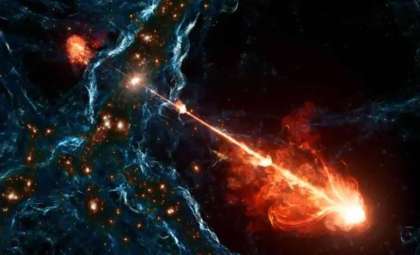
The object under examination, 2MASX J23453268−0449256, is approximately triple the size of the Milky Way and contains a supermassive black hole with a mass billions of times that of our Sun. What astonished researchers was finding radio jets extending 6 million light-years—ranking among the longest seen in any galaxy, especially remarkable for a spiral type.

"This finding goes beyond being a mere curiosity—it compels a reevaluation of how galaxies develop and how their central black holes influence surrounding space," shared lead researcher Professor Joydeep Bagchi from CHRIST University in Bangalore.
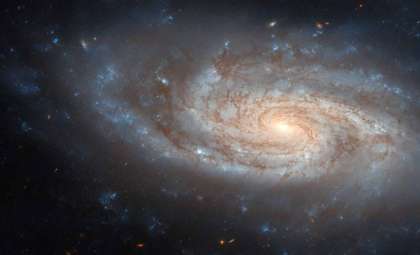
Historically, such powerful jets were presumed to disrupt the delicate structure of spiral disks. Yet, intriguingly, this galaxy remains largely unaffected: its spiral arms remain intact, its glowing stellar ring undistorted, and its core actively luminous.
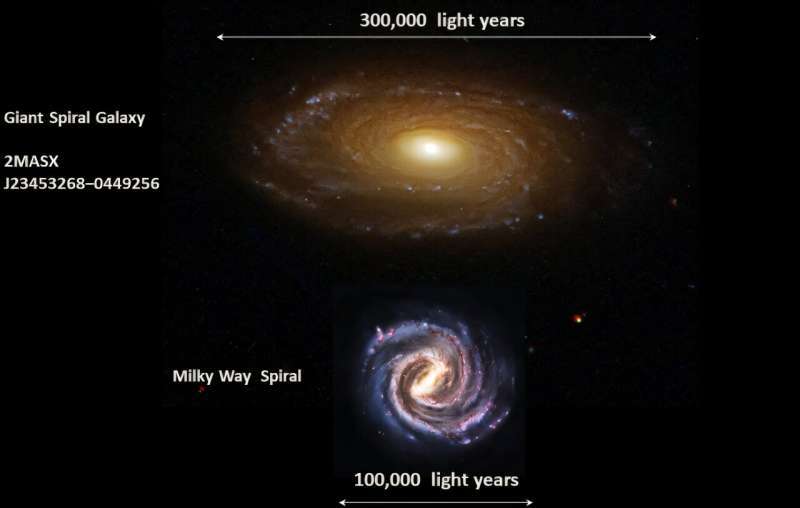
A Quiet Danger Lurking in the Milky Way
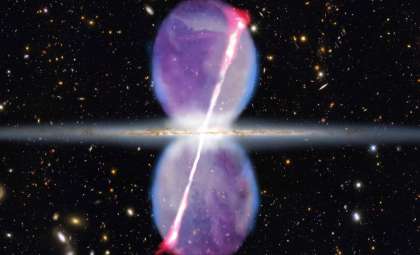
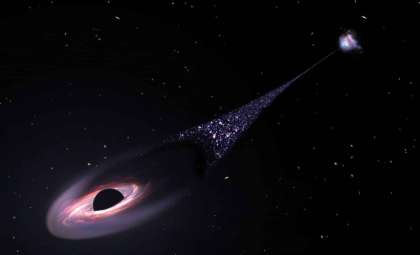
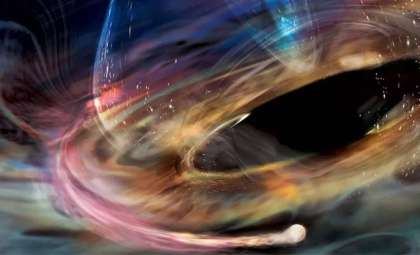
Our galaxy’s center holds Sagittarius A (Sgr A*), a black hole weighing roughly 4 million solar masses. At present, it is mostly dormant. Nevertheless, researchers caution that incidents such as capturing a stray star or gas cloud could ignite tidal disruption events that awaken its energy.
"Is it possible that one day our galaxy could host similar energetic phenomena with dire implications for life here?" Bagchi pondered.
If jets like those in J23453268−0449256 were unleashed by Sgr A*, their impact would depend greatly on orientation and output. Radiation from such jets could erode planetary atmospheres, induce genetic mutations, and damage Earth's ozone shield. Even without direct exposure, the surrounding interstellar medium might undergo significant alteration.
An Unexpected Spiral with Extreme Activity
In spite of its turbulent core, J23453268−0449256 retains the classic form of a spiral galaxy—once thought incompatible with gigantic jet production. Its well-defined spiral arms, luminous central bar, and lack of destruction defy traditional expectations.
Notably, it possesses a massive halo of X-ray-emitting gas. Normally, this gas would cool to form stars, but the jets act like a cosmic heater, increasing temperature and suppressing new star creation.
This creates a paradoxical scenario of a galaxy exhibiting both intense activity and remarkable structural stability.
The Role of Dark Matter and Invisible Forces
Researchers further found that J23453268−0449256 contains about ten times more dark matter than our galaxy. This unseen mass might be pivotal in enabling it to endure internal turbulence without collapsing.
"Studying these extraordinary galaxies may unlock crucial insights about the hidden forces driving the cosmos—including dark matter, galaxy longevity, and life’s origins," explained Shankar Ray, co-author and doctoral candidate at CHRIST University.
By identifying a stable interplay among dark matter, galactic structure, and black hole feedback, this discovery opens up promising avenues in astrophysics and cosmological research.
Implications for Our Own Galaxy’s Future
The notion that spiral galaxies live quiet, orderly lives is increasingly questioned. J23453268−0449256 exemplifies how such galaxies can harbor extreme power outputs without structural damage—suggesting that the Milky Way might face similar events eventually.
"This research helps us edge closer to solving universal mysteries, reminding us that cosmic surprises await beyond our current knowledge," Ray concluded.
Though silent for now, the Milky Way's core might one day erupt, potentially affecting not only the galaxy but also life on Earth.
- Categories:
- News



0 comments
Sign in to Comment