
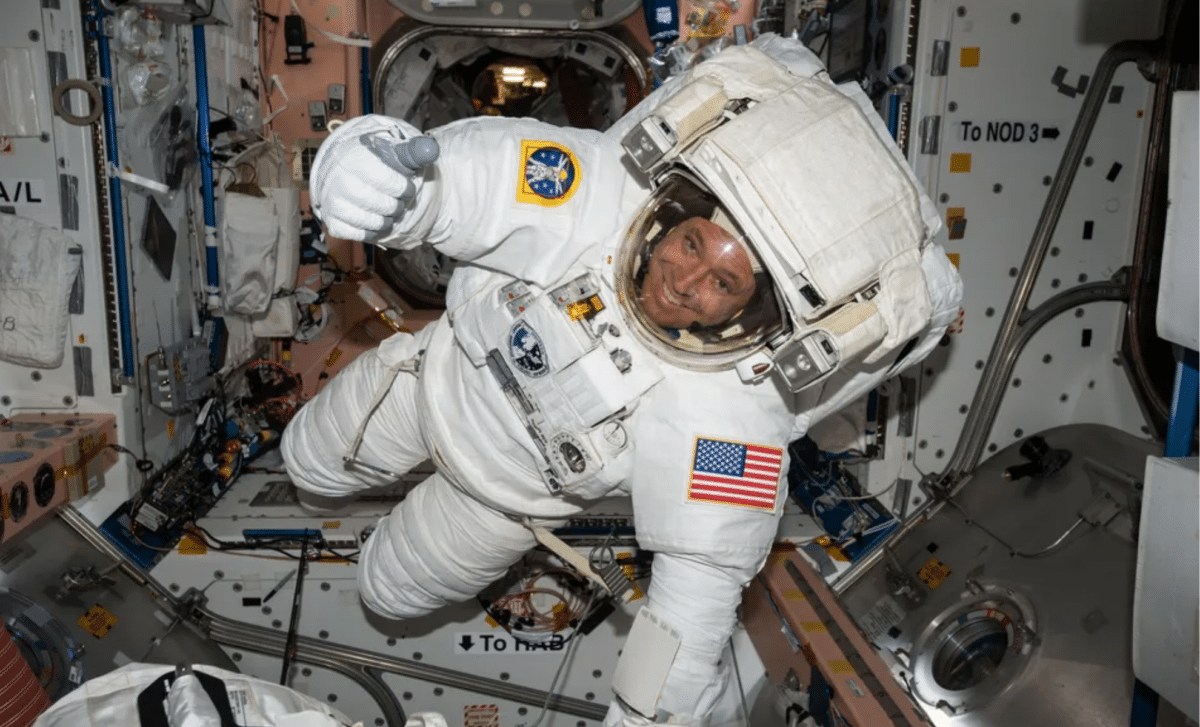
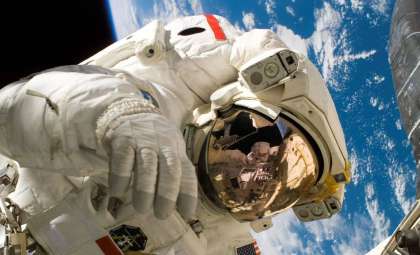
Researchers have identified that astronauts experience considerable changes in their grip strength due to extended stays in space, raising concerns for their safety and mission success. The findings demonstrate that microgravity disrupts the brain's interpretation of sensory cues, complicating seemingly simple tasks such as holding objects, both while in orbit and after returning to Earth.
Understanding Grip Adaptations in Space
The experience of microgravity, where gravitational forces are extremely weak, is vastly different from living under Earth’s gravity. Although weightlessness allows astronauts to float effortlessly within spacecraft, it also introduces unexpected difficulties, particularly in performing everyday actions like grasping tools and equipment.
A groundbreaking investigation led by Philippe Lefèvre, a biomedical engineering professor at Université catholique de Louvain, published April 20 in the Journal of Neuroscience, revealed how the brain struggles to adjust to the absence of normal gravity signals. Astronauts tend to apply excessive force when grabbing objects in space because their neural systems are still conditioned for Earth's gravity. This mismatch hampers their effectiveness aboard the International Space Station (ISS) and complicates their readjustment once back on the ground.

“The results were entirely unforeseen,” Lefèvre told Space.com. The study showed that astronauts require months to regain normal grip force after months in orbit, a gradual process that, if rushed, could risk safety during critical operations.
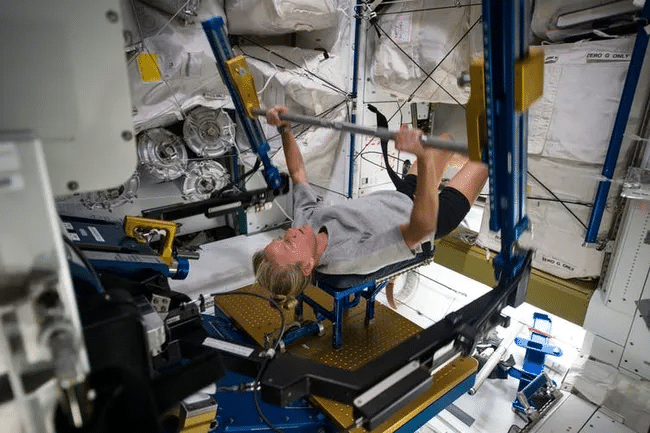
Risks of Misjudging Grip Force in Space
Issues with grip strength go beyond minor inconvenience; they pose serious hazards to astronauts and mission equipment. Gripping too tightly or too loosely can cause accidents, especially during delicate tasks such as spacewalks or handling sophisticated instruments, potentially leading to injury or equipment damage.
Lefèvre stressed the vital nature of precise grip management within the limited and sensitive confines of space operations:
“Even if the risk of slippage is low, the consequence of slippage would be really dramatic. If you move at high speed with a big object onboard the ISS, and you lose the grip, the object will keep going. It’s gonna hit something, and it could be dramatic in terms of safety.”
The research highlights that the brain requires time to recalibrate these sensory-motor processes. Minor miscalculations in grip strength can lead to critical failures during intricate maneuvers like fixing ISS components or operating robotic arms.
Microgravity’s Impact on Neural Function
Although astronauts are aware of physical challenges in space, the study brings new insights into how microgravity reshapes brain function. The research involved monitoring astronauts’ grip force and hand movements while aboard the ISS, revealing that the brain’s processing of tactile feedback changes dramatically without gravity, causing excessive gripping in space and weaker grip upon return.
These findings are crucial as future missions target extended space travel to the Moon, Mars, and beyond. Developing enhanced training and rehabilitation methods will be essential to help space travelers adapt their grip control before, during, and after missions.
- Categories:
- Space





0 comments
Sign in to Comment