
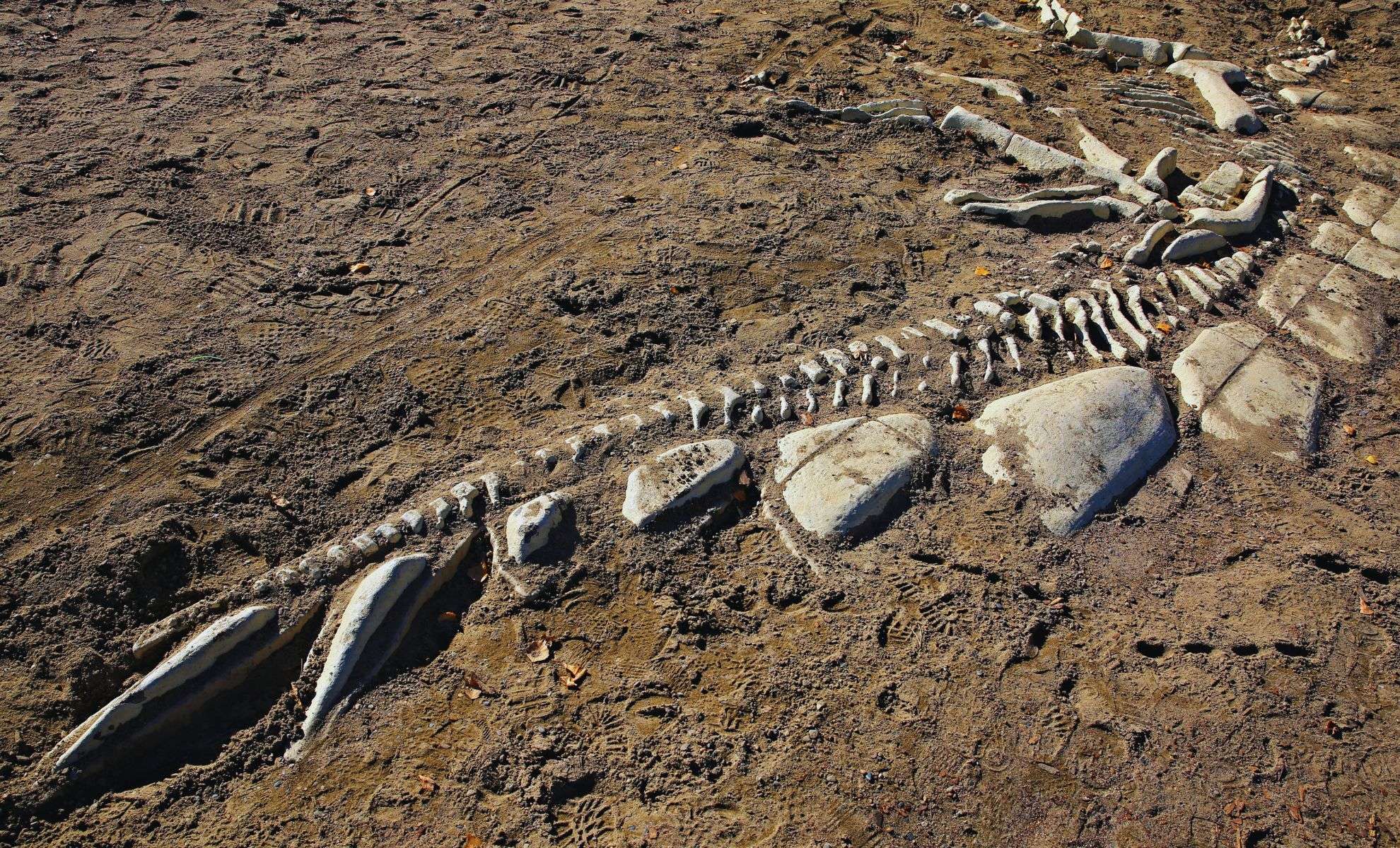
In the vast terrain of Mongolia’s Gobi Desert, researchers have uncovered an extraordinary dinosaur fossil that challenges existing perceptions of prehistoric creatures. This dinosaur features a body reminiscent of a penguin or goose combined with an unexpectedly large set of tiny teeth, possibly representing the first known non-avian theropod adapted for aquatic life.
Dinosaur Fossil Exhibiting Penguin-like Features Discovered in Mongolia
The finding, detailed in Communications Biology, introduces Natovenator polydontus, which translates to “swimming hunter with many teeth.” This nearly complete fossil was uncovered in 2008 within the Baruungoyot Formation, an area known for ancient river sediment deposits in southern Mongolia.
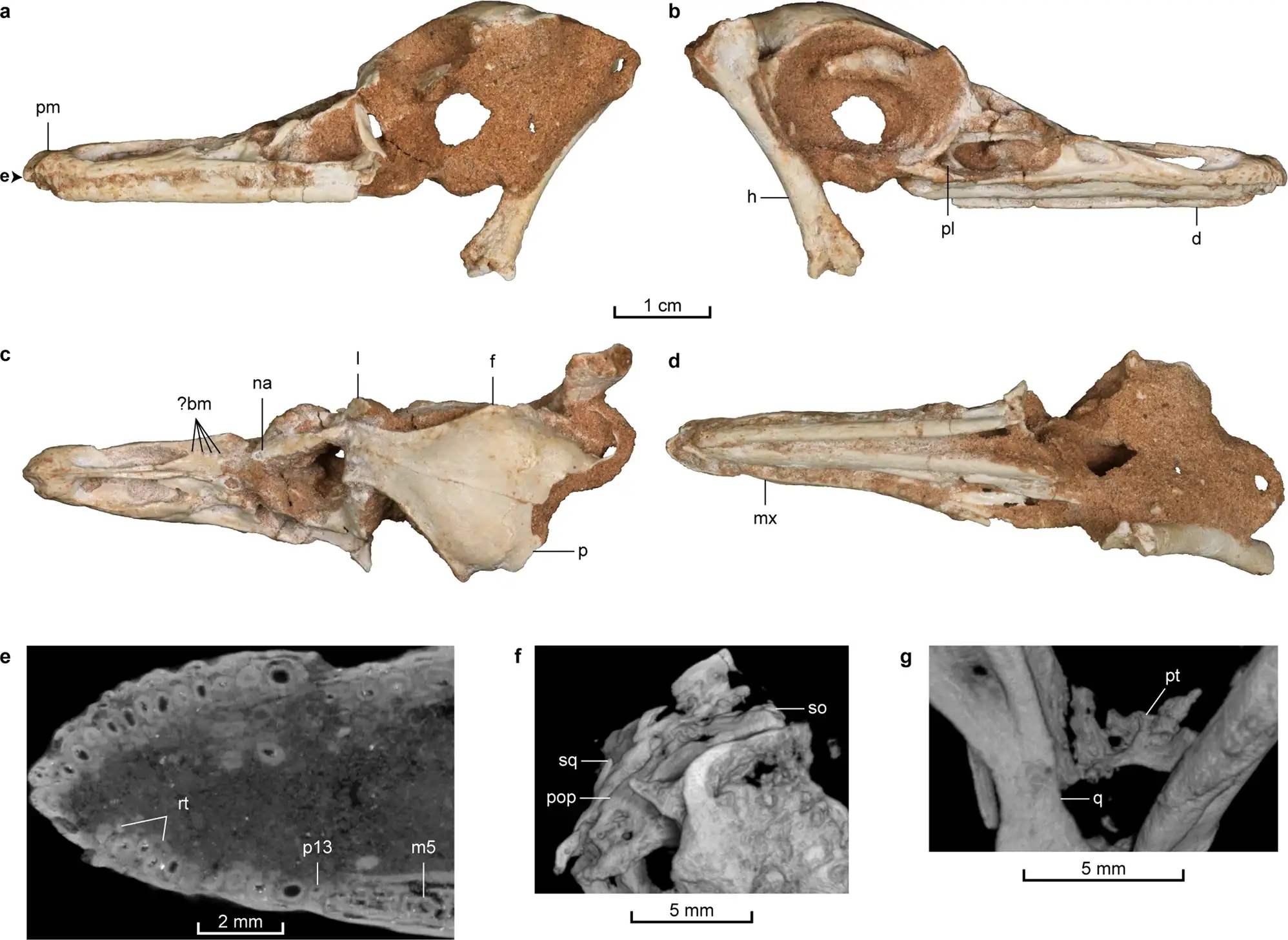
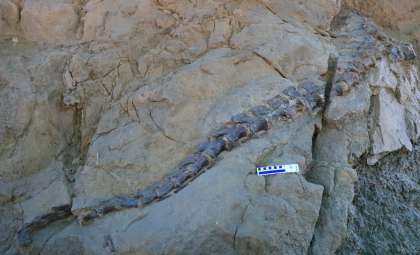
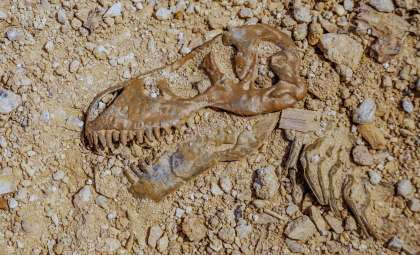
The specimen includes a skull, vertebrae, one forelimb, and two hindlimbs, marking it as an exceptionally well-preserved small dinosaur. Paleontologist Yuong-Nam Lee from Seoul National University, who led the research, described the skeleton as "fragile yet remarkably well-preserved." Lee pointed out that such small fossils are often overlooked and prone to damage during excavation.

Adaptations Suited for Aquatic Life
Natovenator lived during the Late Cretaceous period, dating from approximately 66 to 145 million years ago. It belongs to the theropod family, which includes species like Tyrannosaurus rex, though it shows unexpected aquatic adaptations not seen in other theropods.
The dinosaur’s ribs curve toward the rear, an anatomical feature paralleling that of modern diving birds. Its elongated neck and compact body resemble those of geese, offering a silhouette familiar within current lakes and wetlands.
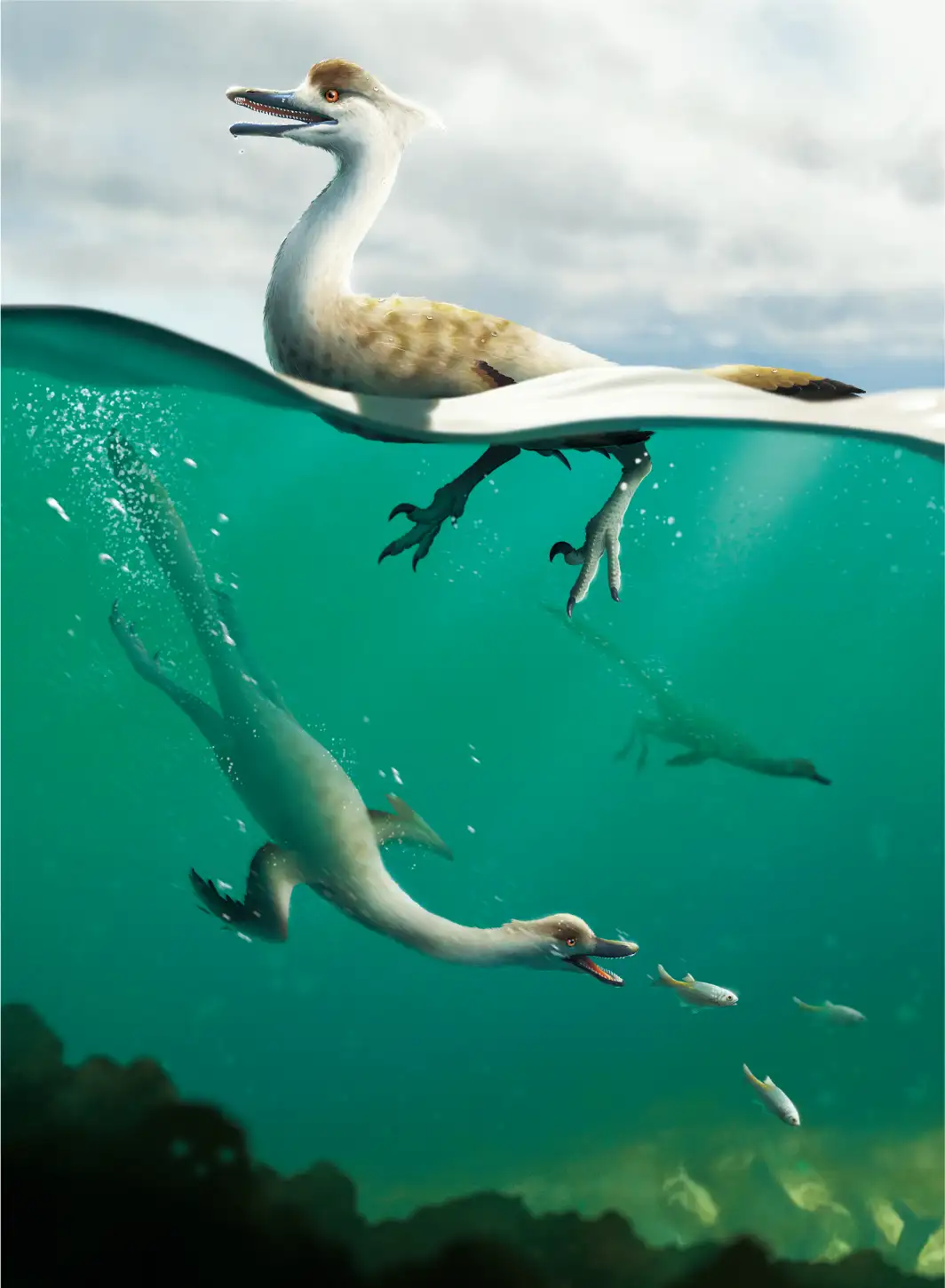
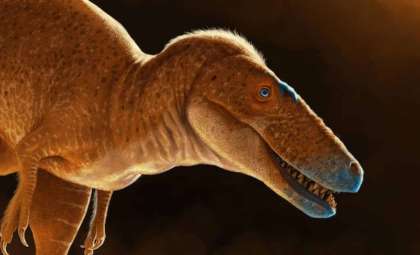
Scientists suggest its streamlined build helped it maneuver efficiently through freshwater ecosystems. An artist’s rendering of Natovenator depicts the creature gliding across water surfaces with a bird-like stance and jaws lined with densely packed teeth. The abundant teeth hint at a diverse diet potentially including insects. Lee’s team aims to examine any preserved stomach remains to better understand its feeding behavior.
Insights into Semi-Aquatic Dinosaur Predators
Lee emphasized that uncovering a semi-aquatic dinosaur enriches our comprehension of their ecological diversity and may require revising previous assumptions about their lifestyles. This specimen is the first non-avian theropod to demonstrate clear aquatic adaptations. Features such as backward-angled ribs, a goose-shaped neck, and a jaw fitted with numerous tiny teeth suggest Natovenator was adept at hunting on land and in water.
This discovery also situates Natovenator within a broader ecosystem populated by fish, turtles, and ancient crocodilians. Analysis comparing its anatomy to similar species offers fresh perspectives on how certain dinosaurs adapted to semi-aquatic habitats and how these adaptations influenced their evolution.
Understanding Aquatic Adaptations in Dinosaurs
Natovenator shares similarities with Halszkaraptor, another peculiar, goose-like dinosaur found in Mongolia speculated to have aquatic habits. However, Halszkaraptor’s fossil faced controversy due to illegal collection and doubts about its morphological traits.
The significance of the Natovenator discovery lies in its credible, well-documented fossil evidence showcasing aquatic characteristics.
Lee noted that this finding contributes to resolving debates: “Skepticism surrounded Halszkaraptor’s semi-aquatic lifestyle, but we believe this study will settle the discussion.” With its backward rib orientation and streamlined physique, Natovenator now stands as the clearest example of a swimming-adapted non-avian dinosaur.
- Categories:
- News





0 comments
Sign in to Comment