
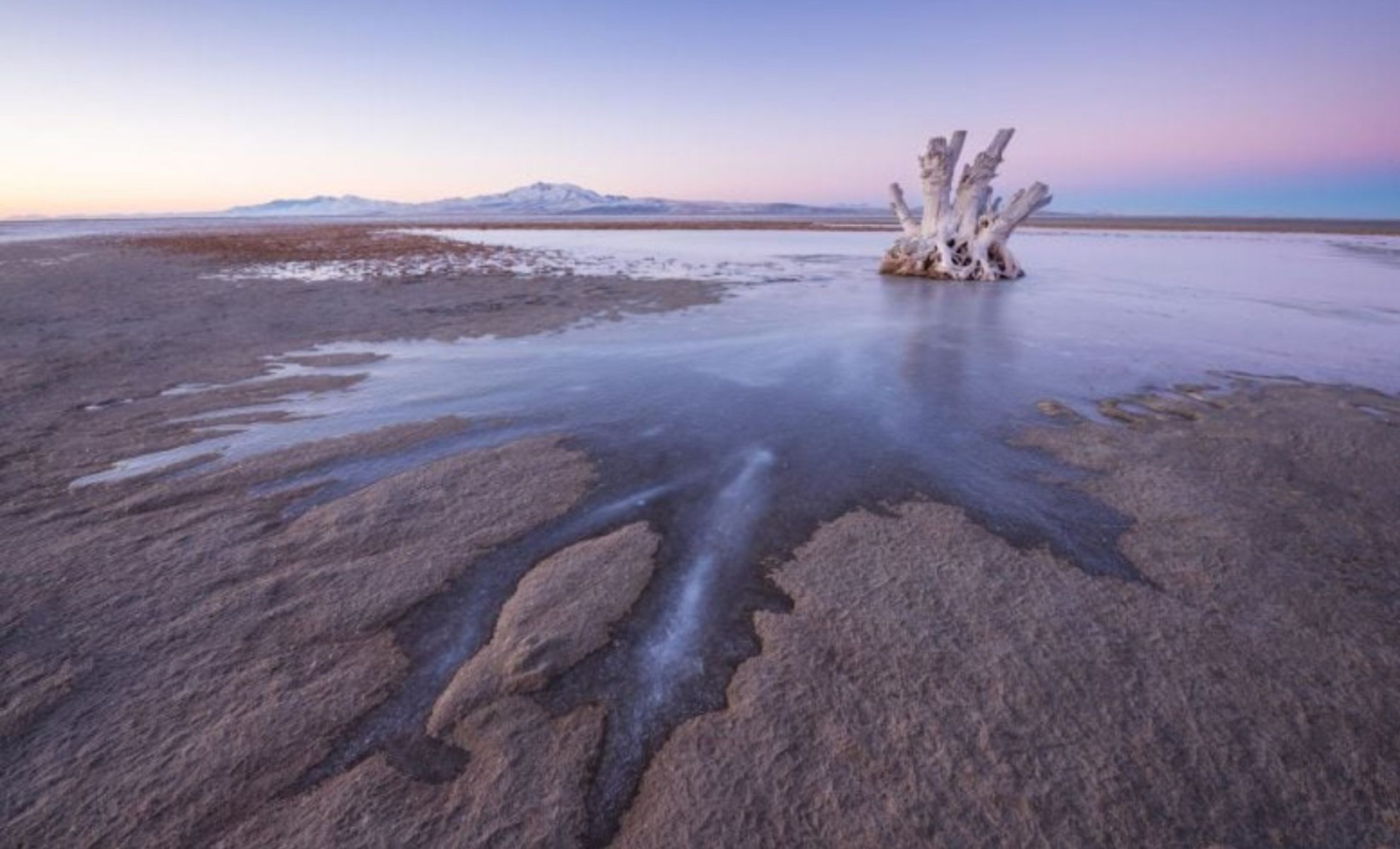
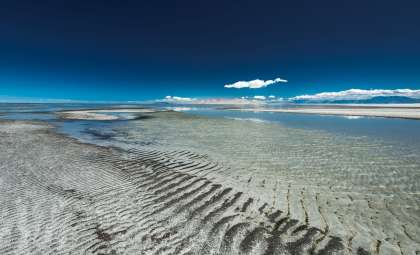
A minuscule organism recently uncovered in the Great Salt Lake represents a completely new species. Dubbed Diplolaimelloides woaabi, this tiny creature has only been found in this unique habitat, providing scientists with invaluable insight into one of North America’s most extreme ecosystems.
The species was identified by a research team from the University of Utah after years of meticulous investigation. Measuring under 1.5 millimeters in length, the worm inhabits microbialites—stone-like structures formed by microorganisms on the lake’s bottom.
This discovery broadens the known biodiversity of the Great Salt Lake, previously recognized mostly for its brine shrimp and flies adapted to salty environments.

Seemingly Overlooked Minute Inhabitants
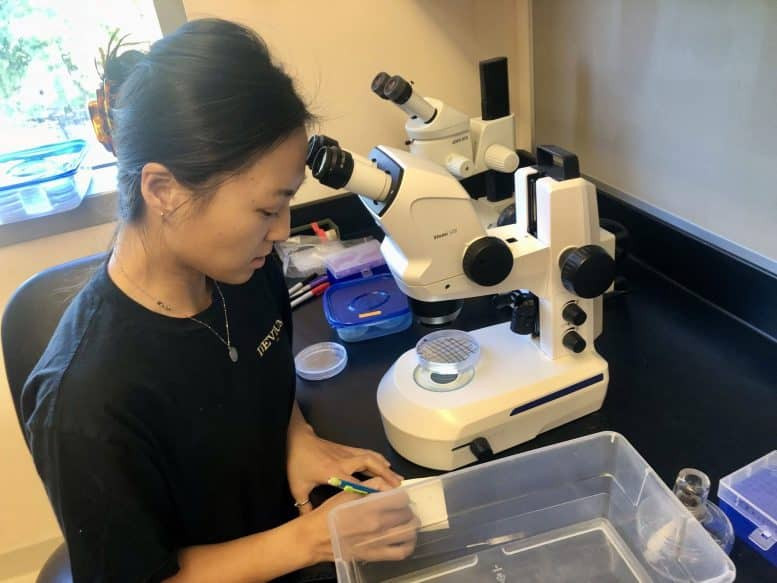
The worm was initially collected in 2022 by scientist Julie Jung during sampling expeditions at the lake. At the time, she was a postdoctoral researcher in the lab led by biologist Michael Werner at the University of Utah.
Nematodes—worm-like creatures related to this find—are among the most abundant animals worldwide, inhabiting diverse environments from garden soil to ocean trenches. Over 250,000 species have been catalogued, but none previously documented in the Great Salt Lake.
The research, published in the Journal of Nematology, detailed how initial suspicions about the worm’s novelty required extensive verification. Identifying it as a new species hinged on advanced DNA analysis and microscopic imaging for comparison against known nematodes.
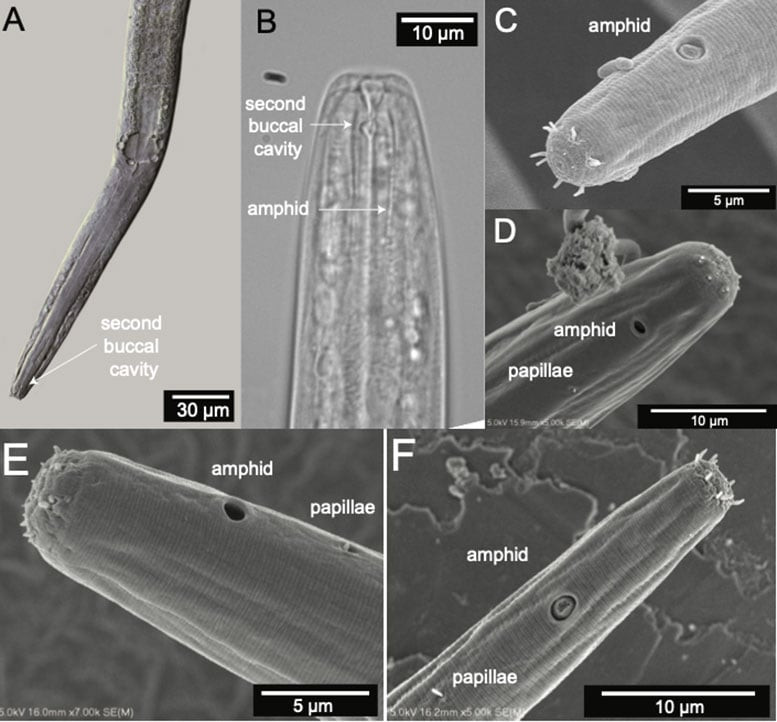
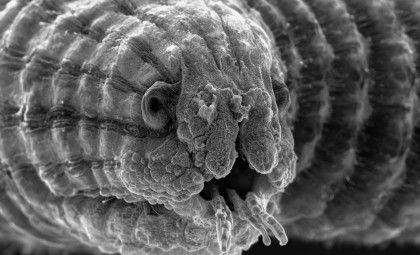
Distinct traits recognized in the worm include eyespots, joined lips, a funnel-shaped oral cavity, short sensory hairs, and distinctive male reproductive anatomy.
“We thought that this was probably a new species of nematode from the beginning, but it took three years of additional work to taxonomically confirm that suspicion,” Jung said.
The name Diplolaimelloides woaabi honors the Northwestern Band of the Shoshone Nation. Before finalizing it, Michael Werner consulted with tribal elders who proposed “Wo’aabi,” meaning “worm” in their language.
Origins of a Salt Lake Enigma
A key mystery is how this nematode lineage came to inhabit a closed basin like the Great Salt Lake. Most related species thrive in coastal or brackish waters, while the lake lies approximately 4,200 feet above sea level and about 800 miles inland from oceanic shores.
Co-author and Brigham Young University professor Byron Adams proposes that the worm’s ancestors could date back to when this region was submerged beneath the Western Interior Seaway during the Cretaceous Period.
“With the Colorado Plateau lifting up, you formed a great basin, and these animals were trapped here. That’s something that we have to test out and do more science on, but that’s my go-to. The null hypothesis is that they’re here because they’ve always kind of been here,” Adams said.
If this theory holds true, the worm may have endured drastic environmental shifts spanning millions of years, including the rise and fall of Lake Bonneville, an expansive prehistoric freshwater body in northern Utah.
Alternatively, researchers suggest migratory waterfowl could have transported the worms or their eggs from other salty lakes. The Great Salt Lake serves as a crucial migratory stop, increasing the likelihood of such long-distance transfer.
Insights from a Microscopic Inhabitant
The significance of this discovery extends beyond taxonomy. Scientists believe Diplolaimelloides woaabi can illuminate ecosystem dynamics within the Great Salt Lake.
The worm was predominantly found within algal mats linked to microbialites, where it likely feeds on bacteria. Most individuals dwell near the mats’ upper layers rather than deeper inside.
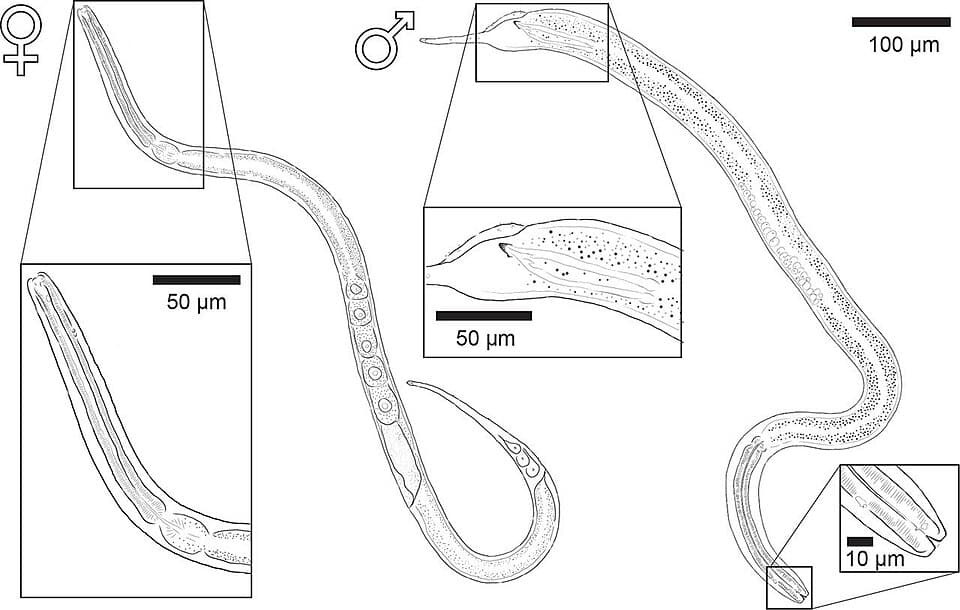
An unexpected finding involved the ratio of males to females in this species.
“That’s another confusing part of the story for us,” Werner said. “When we sample out there on the lake and bring them back in the lab, we get less than 1% males. But when we have cultured them in the lab, the males make up about 50% of the sex ratio.”
Nematodes often serve as bioindicator species due to their rapid responses to environmental shifts. This makes Diplolaimelloides woaabi a promising candidate for monitoring the health of the Great Salt Lake ecosystem.
For now, this species is confirmed to thrive under the lake’s extreme conditions and is exclusive to this environment. However, many questions about its heritage remain unanswered.
- Categories:
- Science


0 comments
Sign in to Comment