
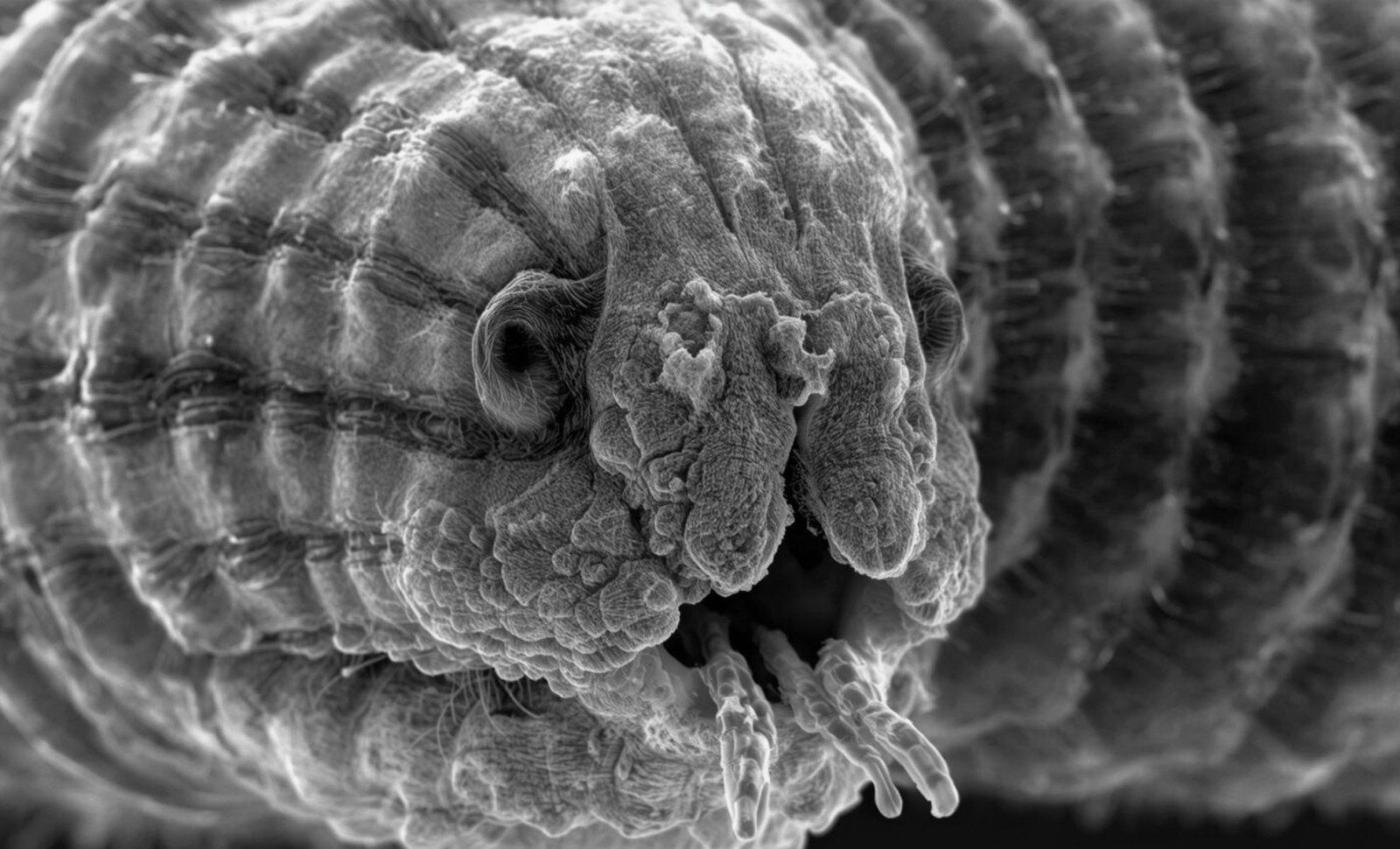
Hidden beneath the frozen soil of Siberian permafrost, researchers successfully revived a microscopic nematode that had been in suspended animation for nearly 46 millennia. Trapped inside fossilized rodent tunnels preserved in ice, this tiny worm sprang back to life in laboratory conditions and even started reproducing.
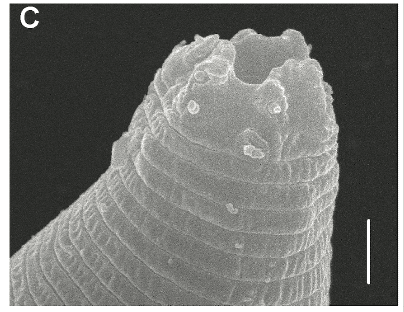
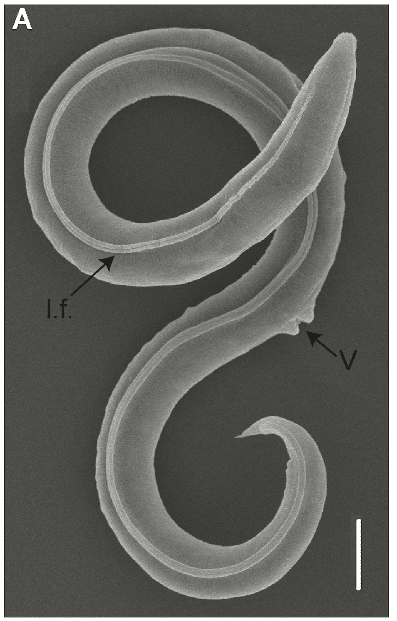
This extraordinary revival offers new insights into the boundaries of life. Called Panagrolaimus kolymaensis, this newly discovered species was dated using radiocarbon techniques to the late Pleistocene epoch, a time when woolly mammoths roamed the Earth.
The worm’s ability to endure such prolonged dormancy challenges previous assumptions about life's limits. Its genetic makeup might also hold keys to advancements in organ preservation, biomedical innovation, and even survival strategies for long-duration space missions.

A Newly Discovered Nematode Brought Back from the Ice
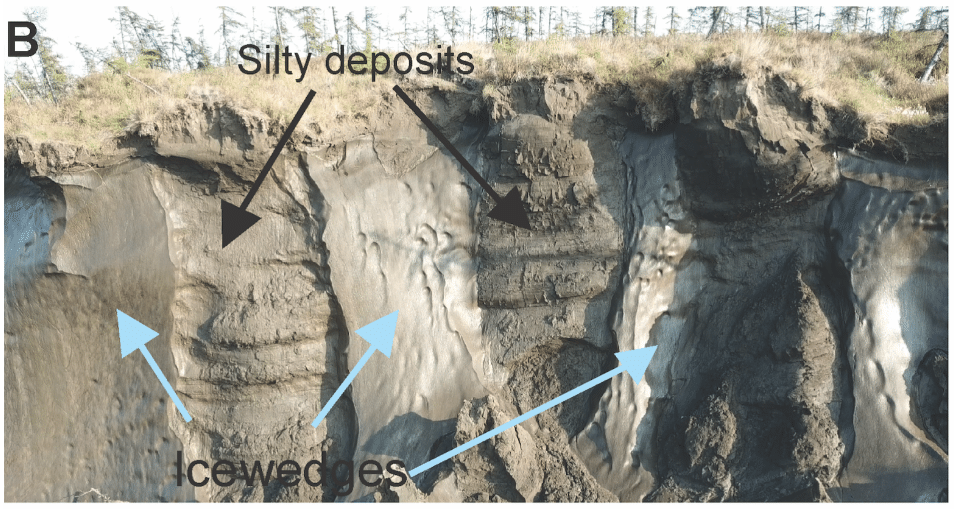
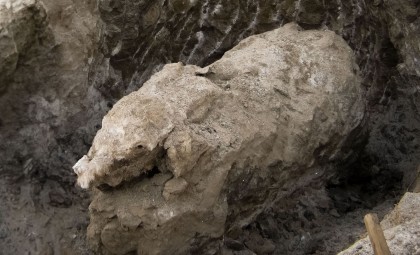
Excavated from fossilized gopher tunnels approximately 40 meters underground by the Kolyma River in northeastern Siberia, researchers used accelerator mass spectrometry to date the surrounding plant remains to nearly 46,000 years old—indicating the worm’s last activity predates human civilization.
Published in a peer-reviewed article in PLOS Genetics, the study confirmed this organism as a previously unknown species affiliated with nematodes capable of enduring extreme drying and freezing conditions.
The team, including scientists from the University of Cologne and the Pushchino Scientific Center in Russia, sequenced the genome and discovered the worm is triploid, carrying three sets of chromosomes. It reproduces asexually, a characteristic likely crucial for survival in isolation.
After revival, the worm resumed feeding and producing offspring in laboratory settings, demonstrating full metabolic restoration after tens of thousands of years in cryptobiosis.
Cryptobiosis: Life in Suspended Animation
The secret behind the worm’s endurance lies in cryptobiosis, a state where metabolic functions halt completely, effectively putting life on pause. Although some species are known to use cryptobiosis to survive brief periods of drought or cold, the longevity observed in P. kolymaensis greatly extends known survival limits.
Lab analyses showed the worm activates molecular pathways similar to those in the well-studied nematode Caenorhabditis elegans, such as trehalose production and the glyoxylate cycle. These processes protect cells during dehydration and freezing by replacing water molecules and lowering metabolic stress.
The worm’s genome revealed numerous stress-response pathways akin to those found in C. elegans, indicating these survival mechanisms evolved millions of years ago and are common among various nematode species.
Similar survival strategies have been observed in tardigrades, microscopic creatures known for surviving space, radiation, and dehydration. NASA has studied tardigrades aboard the International Space Station; for example, in a 2021 mission, these resilient animals were sent into orbit via a SpaceX cargo flight to examine their responses to microgravity and cosmic radiation.
Potential Applications in Medicine and Space Travel
The study’s findings could have broad impacts beyond ancient life frozen in ice. Understanding the biochemical tactics used by P. kolymaensis might revolutionize cryopreservation, enabling organs and perhaps entire organisms to remain frozen for extended durations without damage.
This holds particular promise for organ transplantation, where current techniques preserve tissues for limited times. Novel approaches modeled on trehalose-based vitrification and cryptobiosis could extend preservation periods to weeks or longer.
Moreover, this research is highly relevant for space exploration. Long missions to Mars and beyond must find ways to store living material and shield life from radiation and freezing. The survival methods of extremophiles like P. kolymaensis may guide the development of preservation techniques for astronauts, cells, or embryos during prolonged space journeys.
Future investigations will endeavor to explore the full spectrum of cryptobiotic adaptations in nematodes, especially under simultaneous stresses like dehydration combined with freezing—conditions resembling those on icy extraterrestrial bodies or Martian soil.
- Categories:
- Science



0 comments
Sign in to Comment