
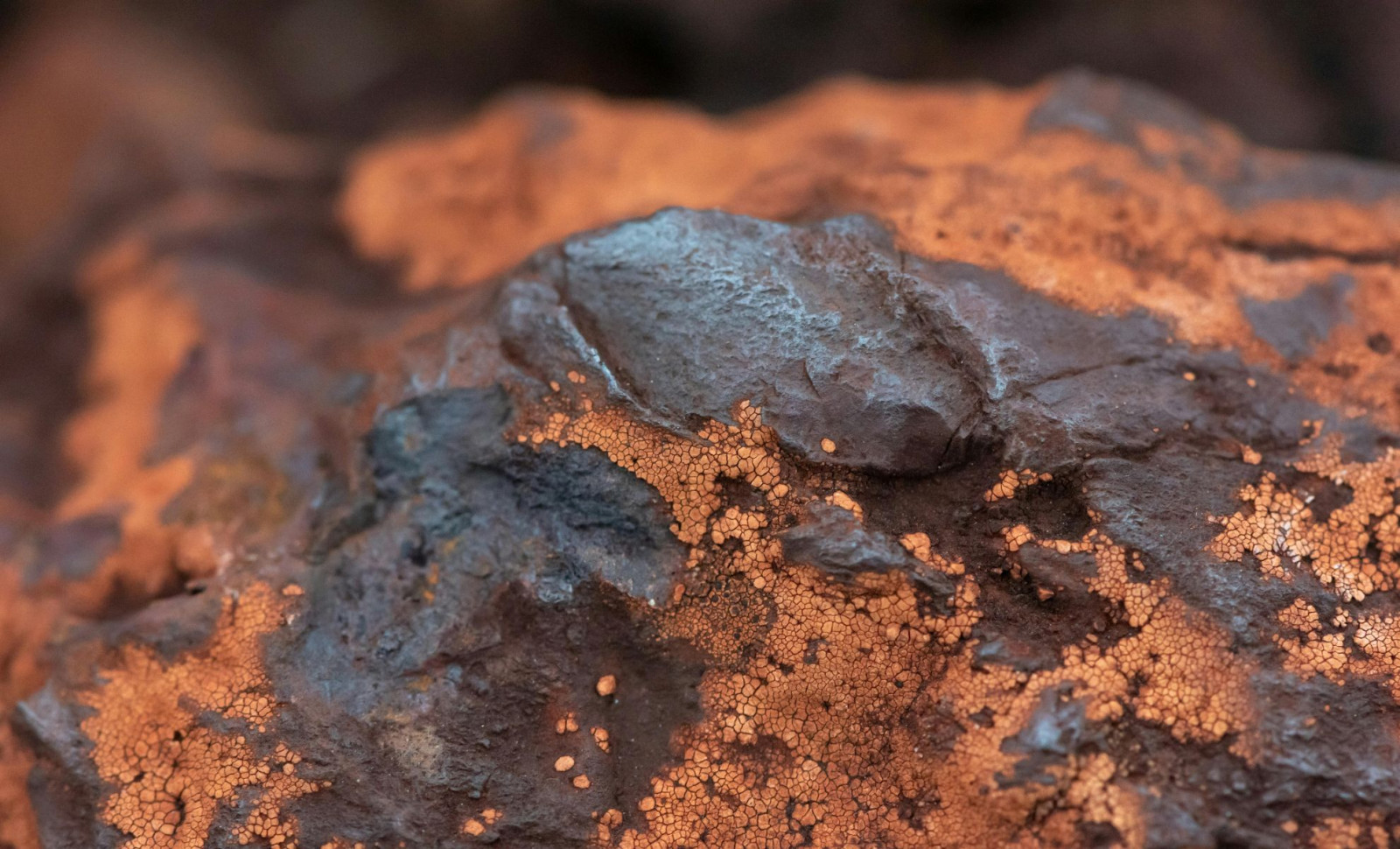
In late 2012, a remarkable meteorite streaked across the skies of Sri Lanka, igniting a contentious assertion that continues to provoke discussion today. According to a debated 2013 publication, fragments of this space rock supposedly hold microbial fossil imprints encased within the meteorite’s interior.
This investigation, detailed in the Journal of Cosmology, was a collaborative effort among experts from Cardiff University, Sri Lanka, and U.S. institutions. The team proposed that these findings might reinforce the hypothesis that life exists beyond Earth and could potentially be delivered to planets via celestial bodies like comets and meteorites.
Observers reported a vivid yellow fireball that shifted to a green hue while passing over the Polonnaruwa area on December 29, 2012. Subsequently, local law enforcement collected fragments and forwarded them to the Medical Research Institute in Colombo for detailed study.

After examining over 600 specimens retrieved following the event, researchers identified only three pieces as potential meteorites based on their analysis.
Discovery of Minute, Enigmatic Forms Within the Rock
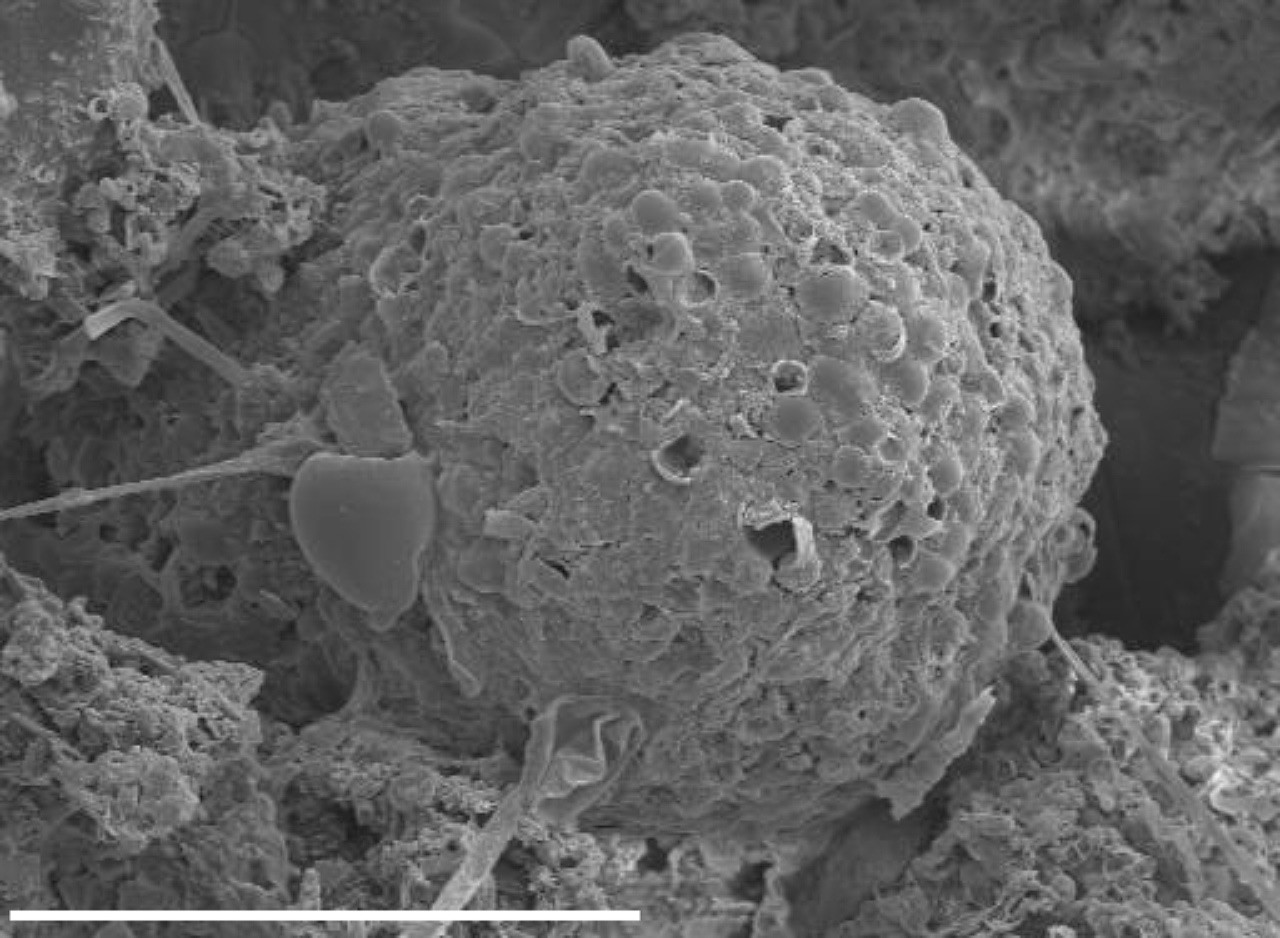
Examination of internal samples revealed tiny formations measuring approximately 10 to 40 micrometers in diameter. The published study in the Journal of Cosmology described these shapes as resembling diatoms, microscopic algae known for their complex silica exoskeletons.
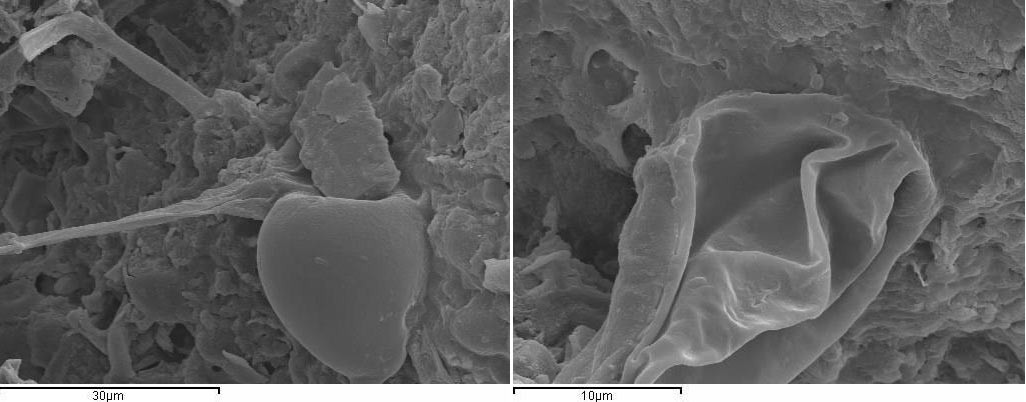
One specimen was further scrutinized at Cardiff University utilizing scanning electron microscopy alongside various chemical analyses. The investigators reported that several structures were embedded within the mineral matrix, rather than merely resting on the surface.
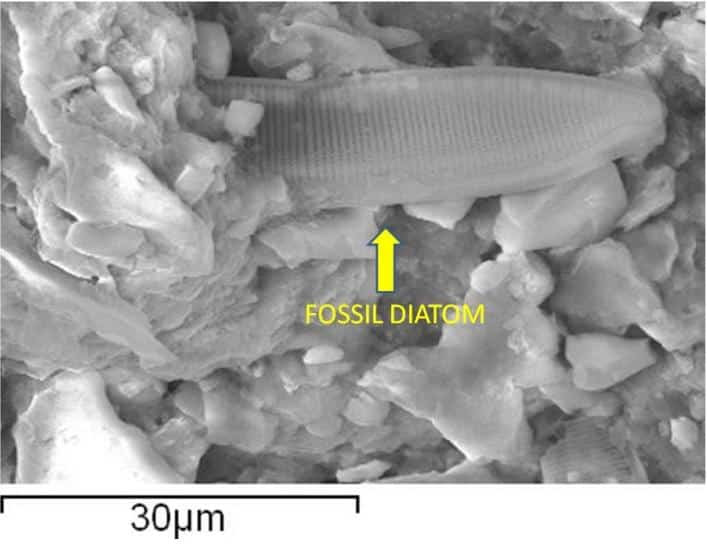
This depth of embedding was crucial to the argument, as it diminished the likelihood that these formations had resulted from recent contamination after the meteorite’s arrival on Earth.
Composition Analysis of the Meteorite
The research team conducted elemental testing, noting an absence of nitrogen in the structures. They interpreted this as evidence suggesting that the remains are ancient biological remnants rather than contemporary organisms, as stated in the paper:
“Preliminary inspection of a few of the SEM images revealed the presence of a number of highly carbonaceous biological structures. Some of these were deeply integrated in the surrounding mineral matrix indicating they could not have been recent biological contaminants.”
The researchers emphasized that these microscopic fossils appeared incorporated within the rock’s mineral framework, bolstering the claim that the material predated the meteorite’s journey to Earth.
Renewed Discussion Over Extraterrestrial Life
Dr. N. Wickramasinghe, lead author from the University of Buckingham, ardently supported the biological origin interpretation. Speaking with Sri Lanka’s The Island, he asserted that the unique patterns on the formations could only arise from living processes.
“I think the discovery of an unequivocal microbial structure such as a diatom, deeply trapped in the rock matrix, proves beyond doubt that this life existed in the parent comet from which the meteorite was derived,” he said.
This discovery drew significant interest due to its connection with the panspermia hypothesis—the idea that life could disperse across the cosmos via comets, asteroids, or meteorites. Years later, the Polonnaruwa meteorite remains a prominent example frequently cited in discussions about potential extraterrestrial microfossils.
- Categories:
- Science










0 comments
Sign in to Comment