
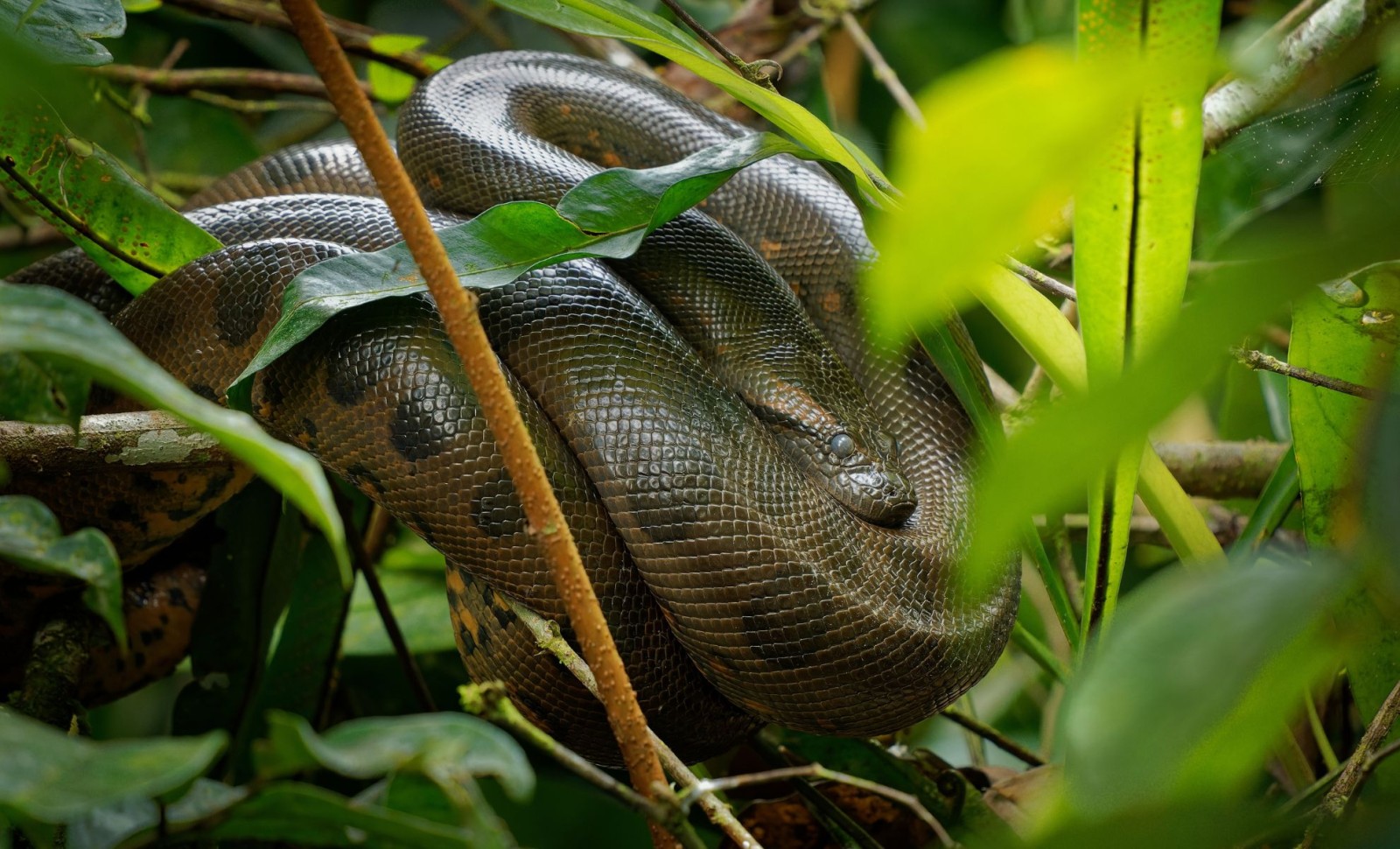
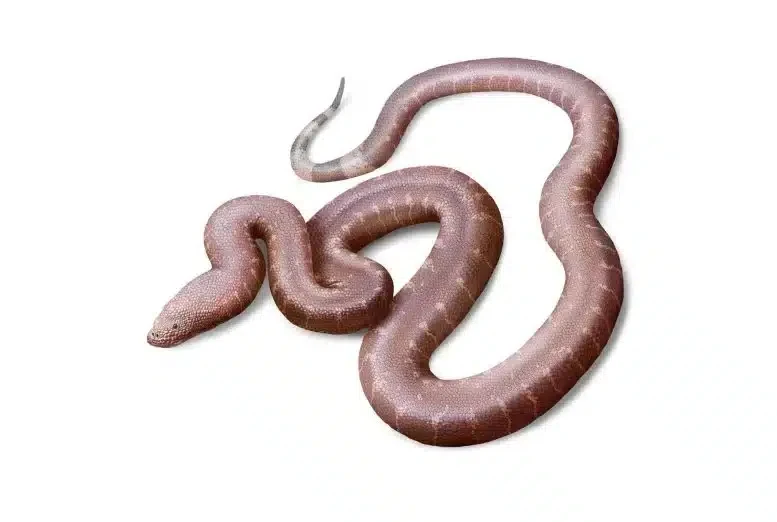
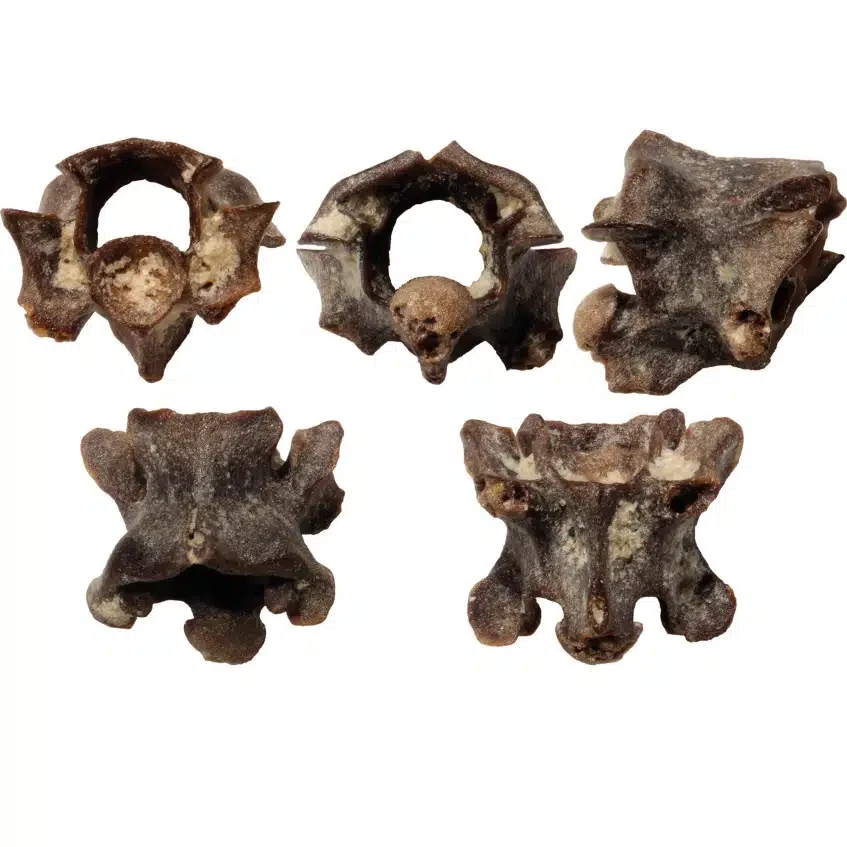
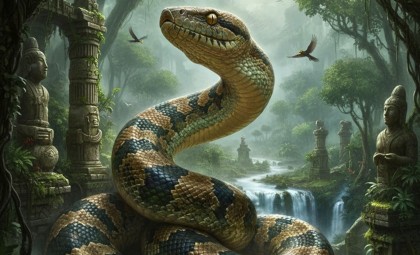
After over four decades stored in a museum, a cluster of tiny vertebrae has been identified as belonging to an entirely new species of ancient snake, Paradoxophidion richardoweni. Dating back approximately 37 million years, this fossil provides fresh insights into the early stages of snake evolution.
Unearthed in 1981 at Hordle Cliff on England’s southern shoreline, the vertebrae had remained unnoticed for years. Recent re-examination revealed that these bones did not represent any known species but instead belonged to a previously undescribed snake.
From Museum Shelves to Scientific Breakthroughs
The tale of Paradoxophidion starts with the 1981 discovery of fossilized vertebrae at Hordle Cliff. These small fragments were stored in museum archives for decades, overlooked by many—until a team of scientists revisited the specimens. As lead researcher Dr. Georgios Georgalis shared:

“It was my childhood dream to visit the Natural History Museum, let alone find something new there,” he says. And what a find it turned out to be. “When I saw these very weird vertebrae in the collection and knew that they were something new, it was a fantastic feeling.”
Thanks to modern advancements such as CT scanning that enabled the creation of precise 3D images, the researchers could examine these bones in ways previously impossible.
The findings, published in the journal Comptes Rendus Palevol, date the fossil to the late Eocene epoch, a period marked by warmer climates in England. Elevated atmospheric CO2 likely contributed to rich biodiversity at the time. While many large fossils have been thoroughly examined, smaller specimens like those from Paradoxophidion have often been overlooked due to their diminutive size.
Could This Ancient Snake Have Been Aquatic?
The researchers found that the vertebrae share striking similarities with those of the Acrochordus genus, known as elephant trunk snakes. These modern snakes, native to regions in Southeast Asia and northern Australia, represent some of the oldest lineages of living snakes. Their characteristic loose skin allows them to thrive in water environments.
“If it was, then it could mean that it was an aquatic species, as all Acrochordids are aquatic,” explained Georgios.
However, it remains uncertain whether Paradoxophidion was aquatic or terrestrial. Georgalis notes that the absence of a skull or more comprehensive fossil remains limits definitive conclusions.
“There are also several bones with differing morphology that haven’t been investigated before that I’m interested in looking at. These might represent new taxa and offer additional clues about snake evolution.”
Hordle Cliff: A Rich Source of Prehistoric Discoveries
Hordle Cliff, located near Christchurch in England, is renowned for its abundant fossil finds, including some of the earliest crocodilian ancestors.
Apart from Paradoxophidion, the site has yielded other pivotal fossils such as Paleryx, the earliest identified constrictor snake. Still, many smaller specimens like those of Paradoxophidion often remain unnoticed until scrutinized with modern techniques.
As co-author Dr. Marc Jones points out, smaller snake fossils tend to be underexplored due to identification challenges. Yet, breakthroughs in scanning technology are helping paleontologists uncover the hidden stories these small bones reveal.
- Categories:
- Science

0 comments
Sign in to Comment