
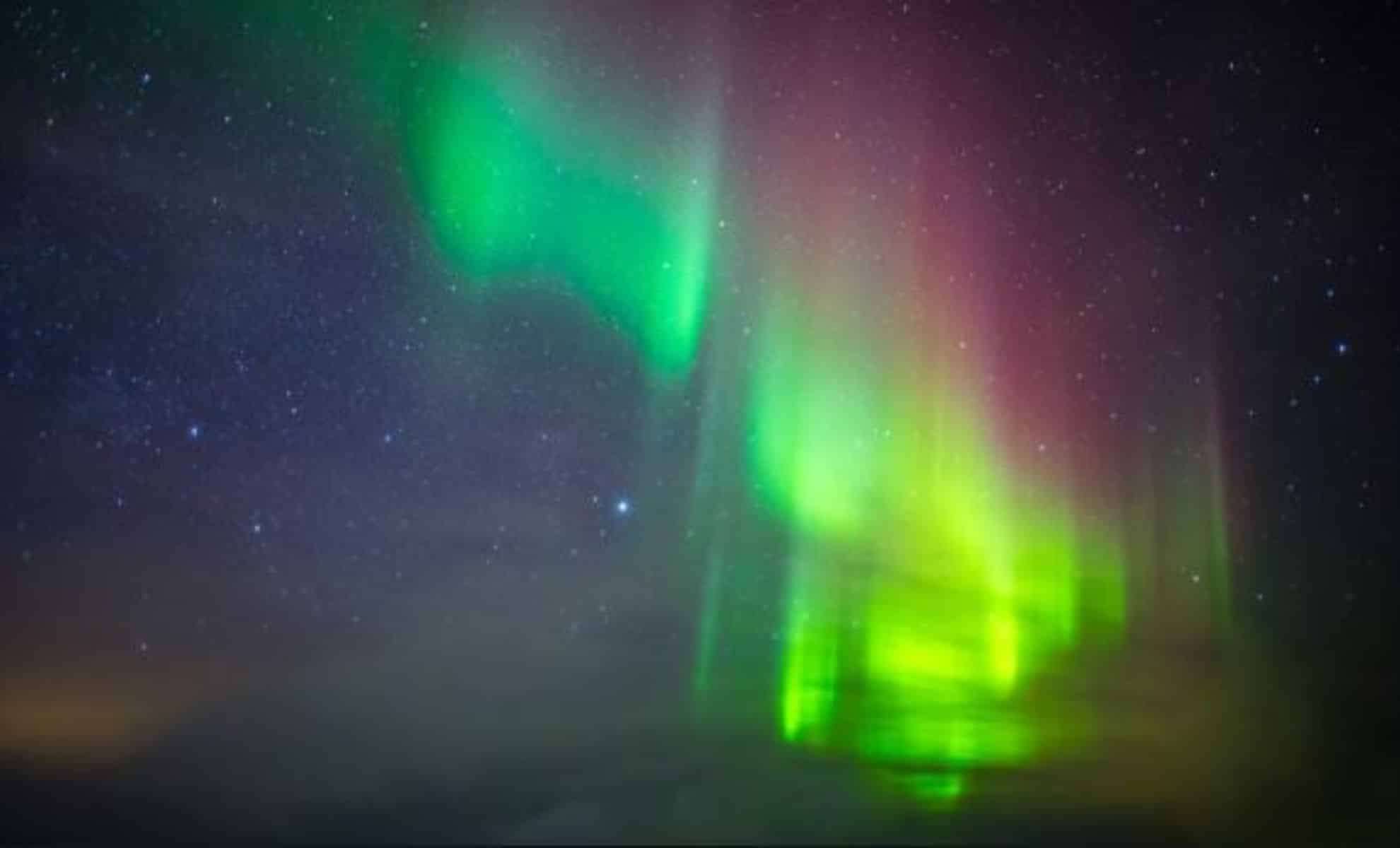
A recent increase in solar disturbances is creating ideal opportunities to observe the northern lights in parts of the northern United States this evening.
After an X-class solar flare erupted on October 24, NOAA anticipates a mild geomagnetic storm that could make the aurora borealis visible in select U.S. regions. As Solar Cycle 25 continues to strengthen, skywatchers are set to enjoy spectacular shows of solar particles interacting with Earth’s magnetic shield.
Best Locations and Times to View the Aurora
This evening, the northern lights could be spotted across various U.S. states adjacent to the Canadian border, including:

- Washington
- Idaho
- Montana
- North Dakota
- South Dakota
- Minnesota
- Wisconsin
- Michigan
- Maine
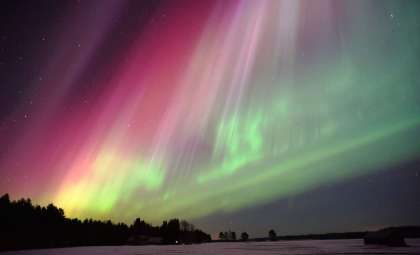
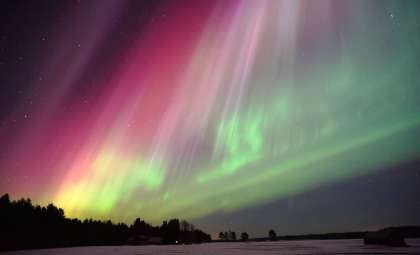
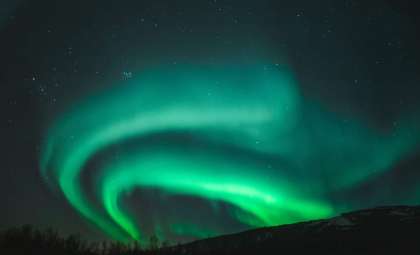
NOAA advises that prime viewing hours will span from 10 p.m. to 2 a.m. local time tonight. Expect predominantly green and red auroral glows in northern skies, resulting from charged particles carried by the solar wind striking Earth's magnetosphere. These interactions produce vibrant ribbons and waves of light most visible in darker, elevated areas far from urban lighting. Locations near the Canadian border are predicted to offer especially favorable views.
While the aurora may be observable with the naked eye under ideal circumstances, it might only register as a photographic capture for viewers in southern or lower-altitude areas. To photograph the display, NOAA recommends long exposures of 5-10 seconds paired with high ISO and a wide aperture. Smartphone users can leverage “night mode” settings to enhance their shots.
Solar Activity Drives Recent Auroral Events
The surge in auroral activity follows a rise in solar flares tied to Solar Cycle 25, which is currently at a peak expected to continue through 2025. This approximately 11-year solar cycle has produced a greater number of sunspots and coronal mass ejections (CMEs) compared to previous years.
NASA’s Solar Dynamics Observatory recently recorded a significant X3.3-class flare on October 24, followed by two medium M-class flares within the next 24 hours. This cluster of solar events hints that the active sunspot facing Earth might unleash further flares or CMEs, amplifying geomagnetic disturbances and strengthening auroral displays in the days ahead.
Solar active regions like the current sunspot are known for triggering bursts of auroras. Should this sunspot emit another major CME, additional geomagnetic storms could impact Earth around October 27 or 28, opening another window for viewing the northern lights. This same sunspot was responsible for the intense G5 geomagnetic storm earlier in October, which produced auroras as far south as Texas, highlighting how unpredictable solar weather can be.
WATCH: Geomagnetic Storm Category G1 Predicted
Highest Storm Level Predicted by Day:
Oct 25: None (Below G1) Oct 26: G1 (Minor) Oct 27: None (Below G1)
Issue Time: 2024 Oct 24 1702 UTChttps://t.co/ZbtuNtIFJC— NOAA Space Weather Prediction Center (@NWSSWPC) October 24, 2024
Advice for Aurora Viewers
For those eager to catch a glimpse of this dazzling phenomenon, timing and location are crucial. NOAA’s Aurora View Line provides live forecasts and updates, helping enthusiasts plan around shifting space weather. To maximize visibility, observers should find dark, elevated spots away from city lights with clear, unobstructed northern horizons.
Given forecasts of additional geomagnetic storms in the near future, residents in the northern U.S. may enjoy several chances to see the auroras. As Solar Cycle 25 advances, these dazzling light shows will likely become more frequent, much to the delight of fans of this awe-inspiring natural spectacle.
- Categories:
- News







0 comments
Sign in to Comment