
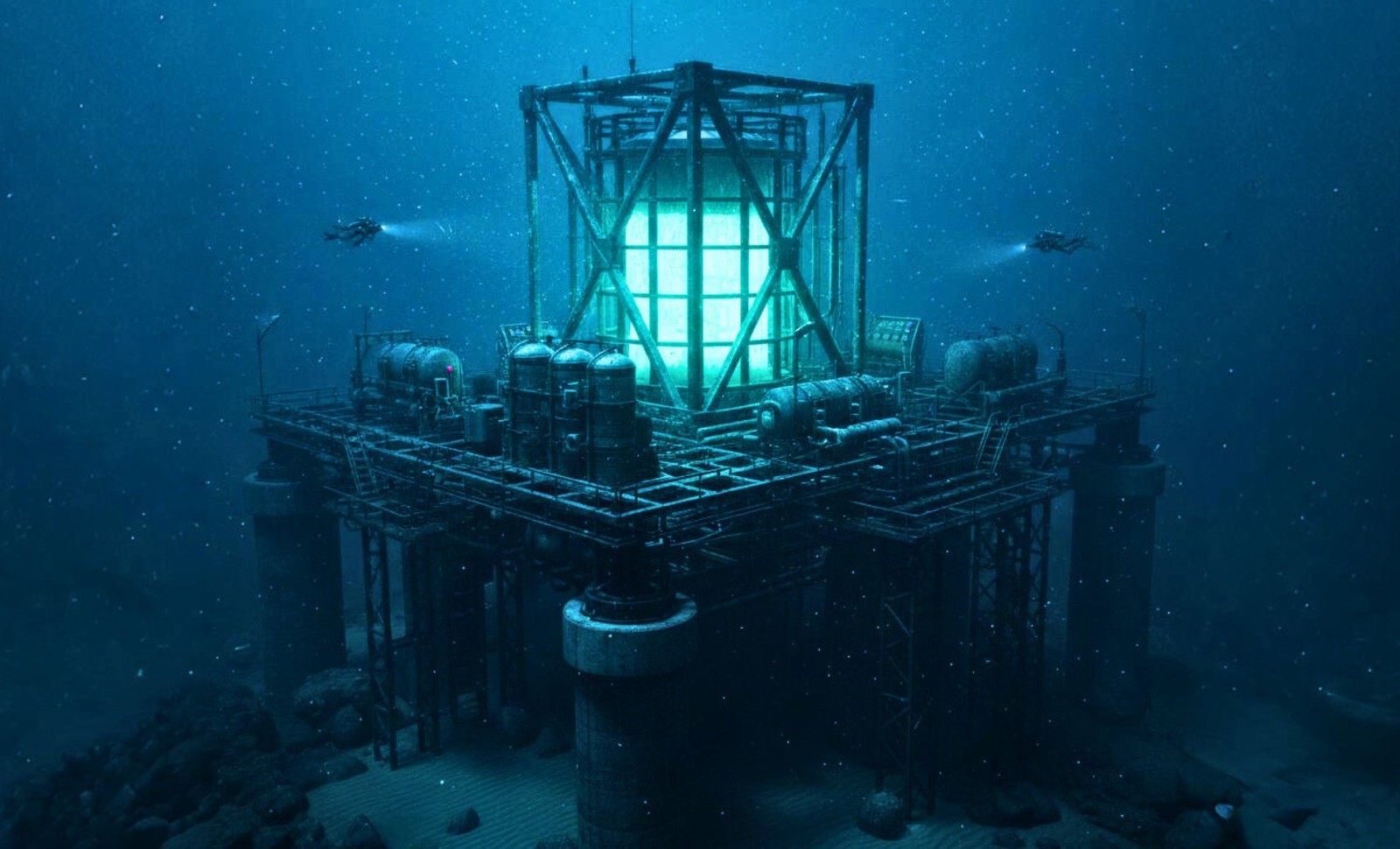
A groundbreaking development in underwater habitation is underway as a UK-based company prepares to launch modular habitats designed for extended human stays beneath the sea. Created by the marine technology innovator DEEP, these platforms—namely the current Vanguard and the upcoming Sentinel—mark a significant milestone in sustained underwater living, reminiscent of the pioneering 1960s experiments by Jacques-Yves Cousteau.
This project revives a long-held dream: not just to study the ocean from afar, but to inhabit it. In contrast to earlier models primarily intended for short-term research, DEEP’s habitats are engineered for regular, operational deployment and aim to establish a worldwide network of subsea living spaces by the end of this decade.
Designed to facilitate marine research, biodiversity assessment, and extended underwater missions, these habitats offer unprecedented levels of comfort and self-sufficiency. Their advent also invites broader reflection on the evolution of marine infrastructure, the presence of scientific communities, and the sustainability of long-duration human activities in delicate ocean ecosystems.

Introducing an Innovative Subsea Habitat
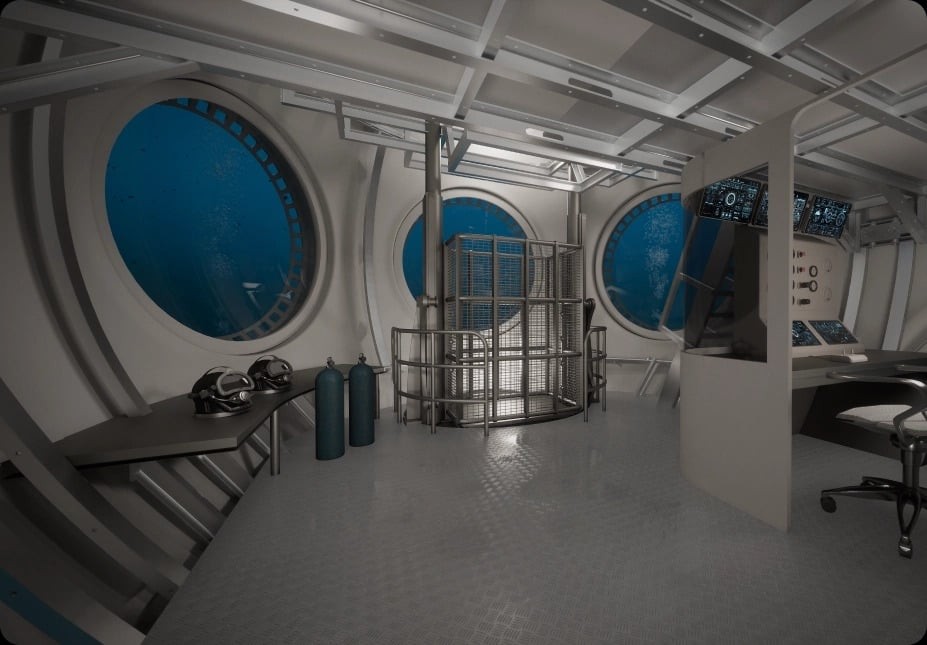
The Vanguard unit, DEEP’s most developed habitat to date, supports up to four inhabitants in a pressurized environment at depths reaching 50 meters. Detailed on the official Vanguard product page, it allows missions lasting seven days or longer without surfacing. This habitat incorporates a moon pool for diver entry and exit, with a surface buoy supplying energy, breathable air, and communication links.
The framework of the unit is crafted using WAAM (Wire Arc Additive Manufacturing), a precision 3D metal printing technology that delivers structural strength by depositing material solely where needed to counteract stress. This process enables quicker fabrication and minimizes waste, as highlighted by DEEP’s documentation.
Vanguard is reported to be the first habitat undersea to receive classification by DNV, an international certification organization, adding a formal safety validation layer. Its applications encompass oceanic research, coral conservation efforts, specialized diver training, and space mission simulations.
Sentinel: Expanding Depth and Duration Capabilities
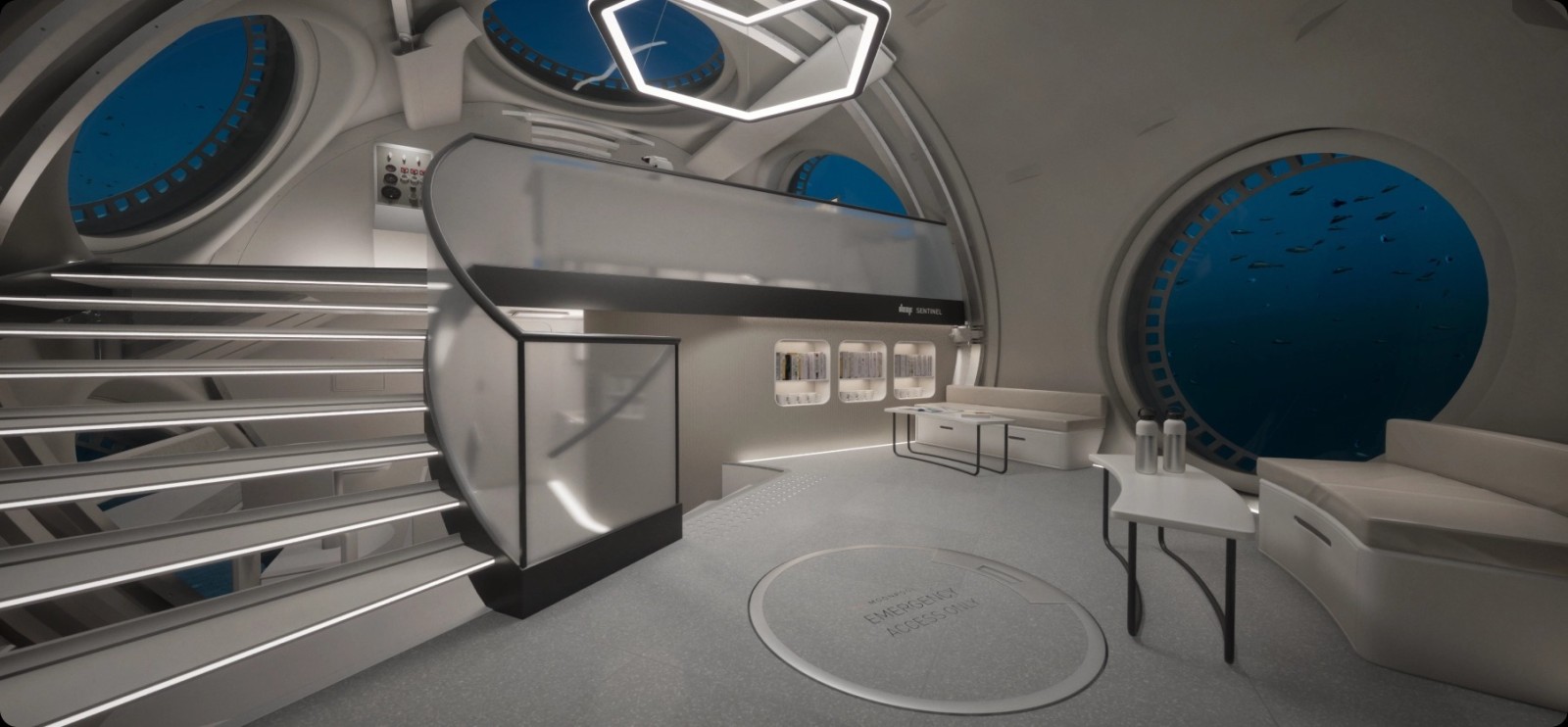
Building on Vanguard’s foundation, the Sentinel system is set to facilitate deeper and lengthier underwater expeditions. According to the Sentinel product description, this habitat is designed to be modular and highly adaptable, accommodating six occupants for up to 28 days at depths reaching 200 meters.
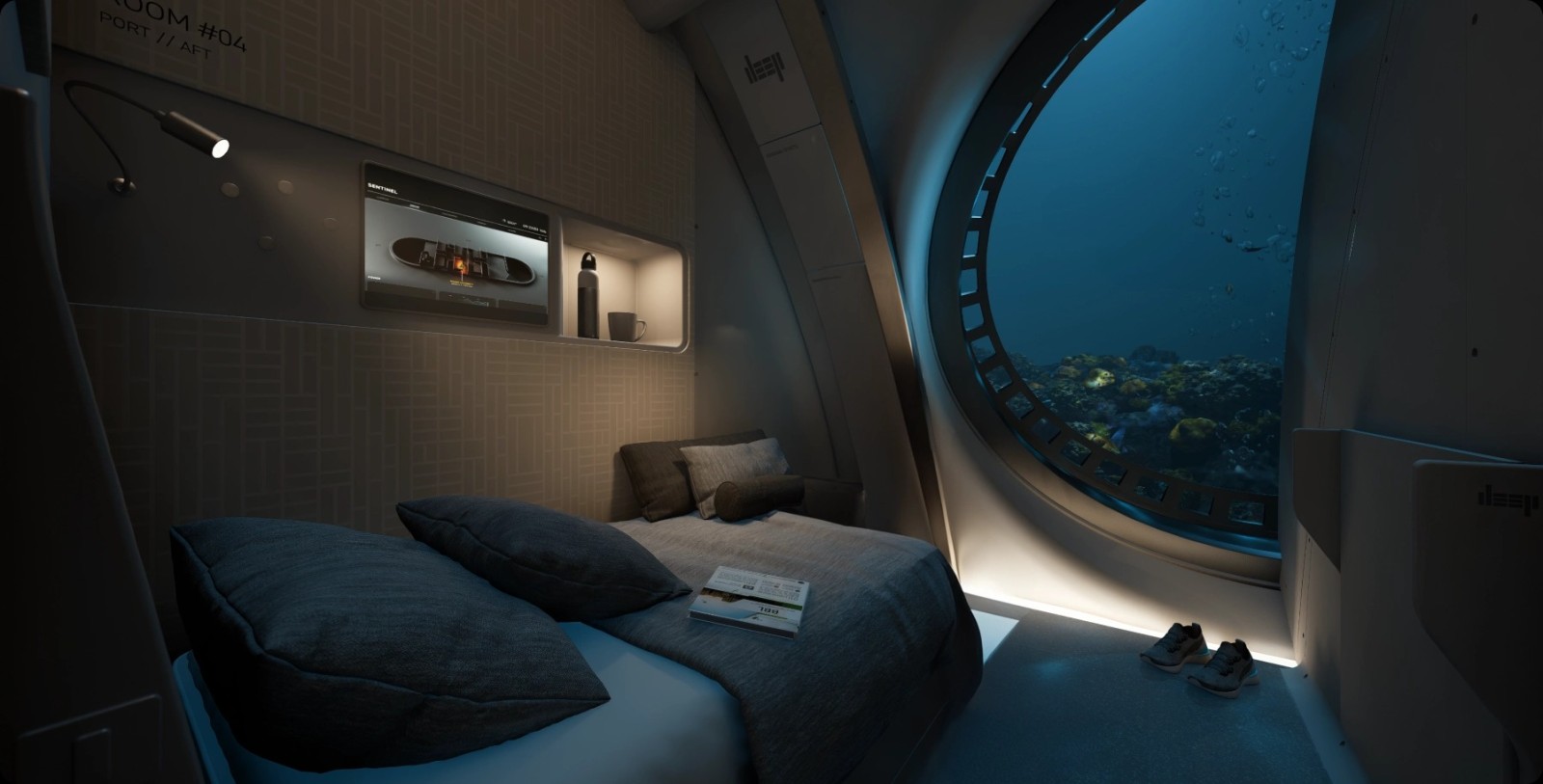
Sentinel is constructed to operate independently of surface vessels and utilizes uniform 3D-printed parts to enable versatile assembly and configuration. It boasts large panoramic windows to enhance immersive underwater observation and facilitate spontaneous scientific discoveries through extended human presence.
Among Sentinel’s notable traits are reuse, mobile redeployment, and customizable interiors to suit diverse mission objectives. DEEP envisions this model as a key component in forming a widespread infrastructure for enduring subsea habitation.
Honoring Cousteau’s Vision and Future Scientific Directions
DEEP’s approach resonates with the goals showcased by Cousteau’s historic Précontinent I, II, and III habitats from the early 1960s. Those missions proved the practicality of living underwater for increasing durations but faced technological hurdles of their era.
Presently, the Cousteau Society functions as an environmental advocacy group and media organization without engaging in underwater habitat research or engineering. In this light, DEEP’s project stands as an independent resurgence of Cousteau’s legacy, applying modern industrial and scalable designs.
The habitats’ scientific value lies in enabling continuous ecological monitoring, detailed studies of marine life, and observing species that typically elude surface-based approaches. Unlike robotic systems, human crews provide active judgment, prolonged interaction, and hands-on sampling abilities that robots cannot fully replicate.
Broader Consequences for Ocean Regulation and Policy
Although currently focused on scientific and exploratory missions, DEEP’s habitats could potentially be adapted for applications in defense, infrastructure inspection, and marine resource surveillance. Their modular and autonomous nature could prove advantageous in areas with limited or sensitive surface access.
Simultaneously, establishing near-permanent human stations on the seafloor raises ecological and regulatory challenges. Researchers have increasingly advocated for tighter rules governing undersea human activity, especially under the framework of the United Nations High Seas Treaty, aimed at preserving biodiversity in international waters.
While DEEP does not indicate any intentions toward commercial resource exploitation, the growth of fixed oceanic installations is expected to trigger discussions involving conservationists, security experts, and governing bodies.
- Categories:
- News



0 comments
Sign in to Comment