
Since 2014, the Earth’s surface temperature has surged at a rate of 0.36°C per decade, doubling the pace observed previously. This faster warming trend could result in the planet crossing critical climate limits earlier than expected, causing permanent ecological harm.
New research led by climate expert Stefan Rahmstorf from the University of Potsdam, Germany, indicates that the world could surpass the 1.5°C warming threshold established by the Paris Agreement as soon as 2028, much sooner than prior estimates suggested.
Temperature Increase Accelerates Sharply
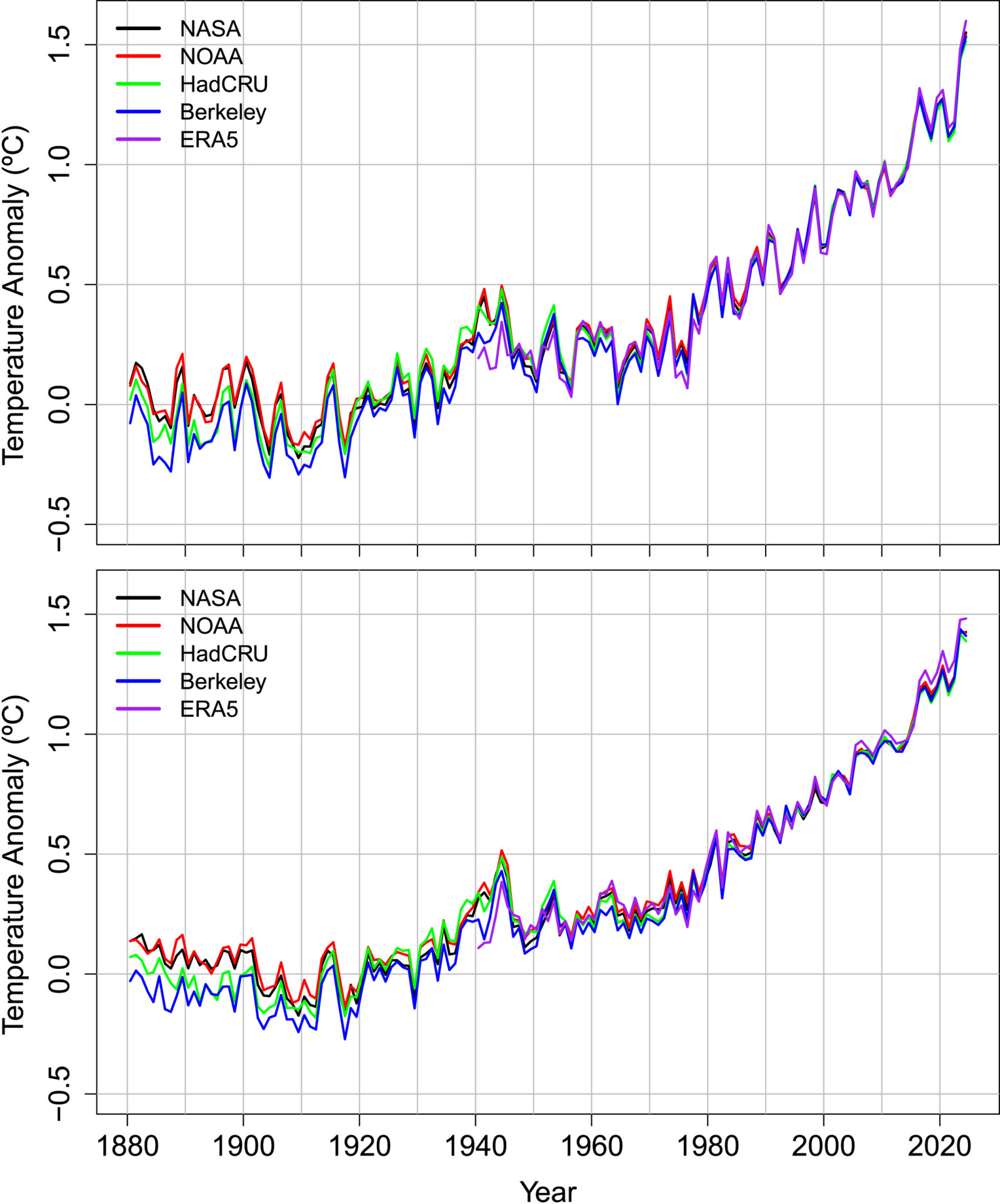
A recent study published in the journal Geophysical Research Letters analyzed five leading global temperature records and found that since 2014, the planet's warming rate has nearly doubled compared to earlier decades. Before this period, global warming rose at 0.18°C per decade, but the current rate stands at 0.36°C per decade. Factors influencing this shift include changes in greenhouse gas emissions and declines in pollutants like sulphur dioxide that previously masked some heat.

Rahmstorf and colleagues used data from the European Centre for Medium-Range Weather Forecasts to verify that, based on a 20-year moving average, global temperatures could reach 1.5°C above pre-industrial levels this year, advancing the timeline forecasted by other climate models.
“Every tenth of a degree matters and makes the impact of global warming worse in terms of extreme weather events, in terms of ecosystem impacts, also the risk of crossing tipping points,” Rahmstorf said.
Unraveling the Drivers of Rapid Warming
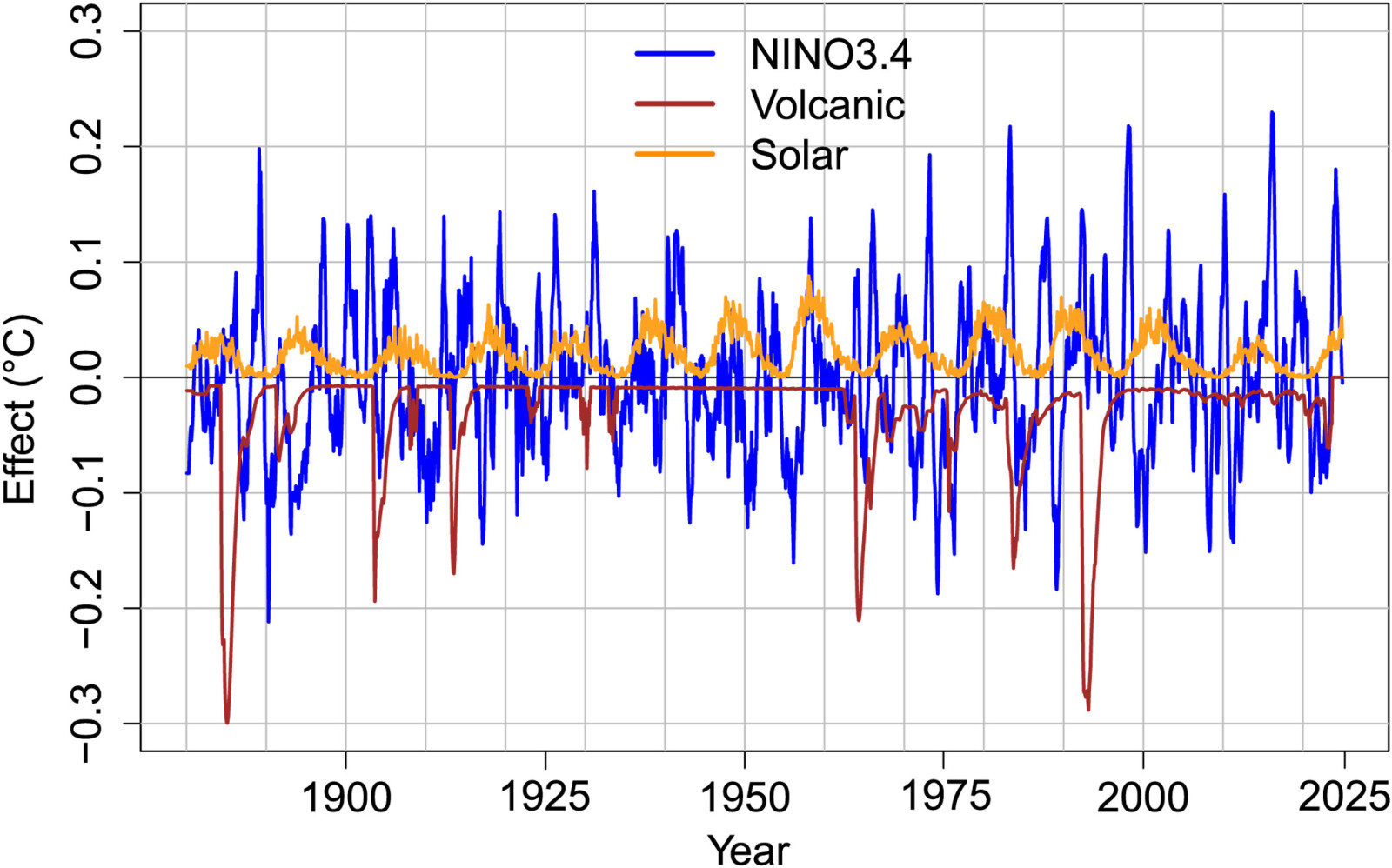
Rahmstorf‘s team notes that while short-term events like El Niño have caused temperature spikes in 2023 and 2024, these phenomena cannot fully explain the sustained acceleration in global warming.
The research reveals a statistically strong acceleration with 98% confidence, emphasizing the significant role human activity plays.
A sharp decline in air pollutants, particularly sulphur dioxide emitted by shipping, is another critical factor. Although these pollutants negatively affect human health, they also historically created aerosols that reflected sunlight and slightly cooled the planet. Since their reduction starting in 2020, this cooling effect has diminished.
Impending Climate Tipping Points
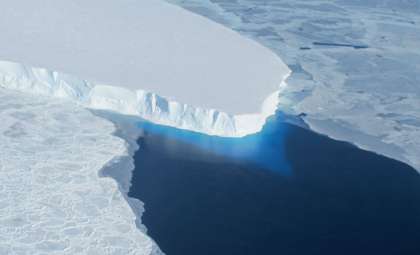
Scientists are especially worried about the irreversible loss of ice in Greenland and West Antarctica. Significant warming could trigger sustained ice sheet melting, driving rapid global sea level rise.
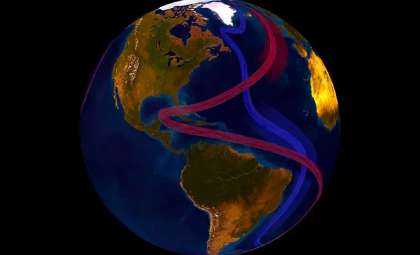
Beyond ice loss, wider ecological disruptions are possible. Rahmstorf and his team caution that accelerated warming might lead to the collapse of vital systems like the Amazon rainforest or disrupt major ocean circulation patterns. As Zeke Hausfather from Berkeley Earth explains:
“The broader takeaway is that we have strong evidence for acceleration even if we don’t know precisely how much the rate of warming has increased as of yet,” he said “We will need to wait a few more years to get more data.”
- Categories:
- Climate change









0 comments
Sign in to Comment