
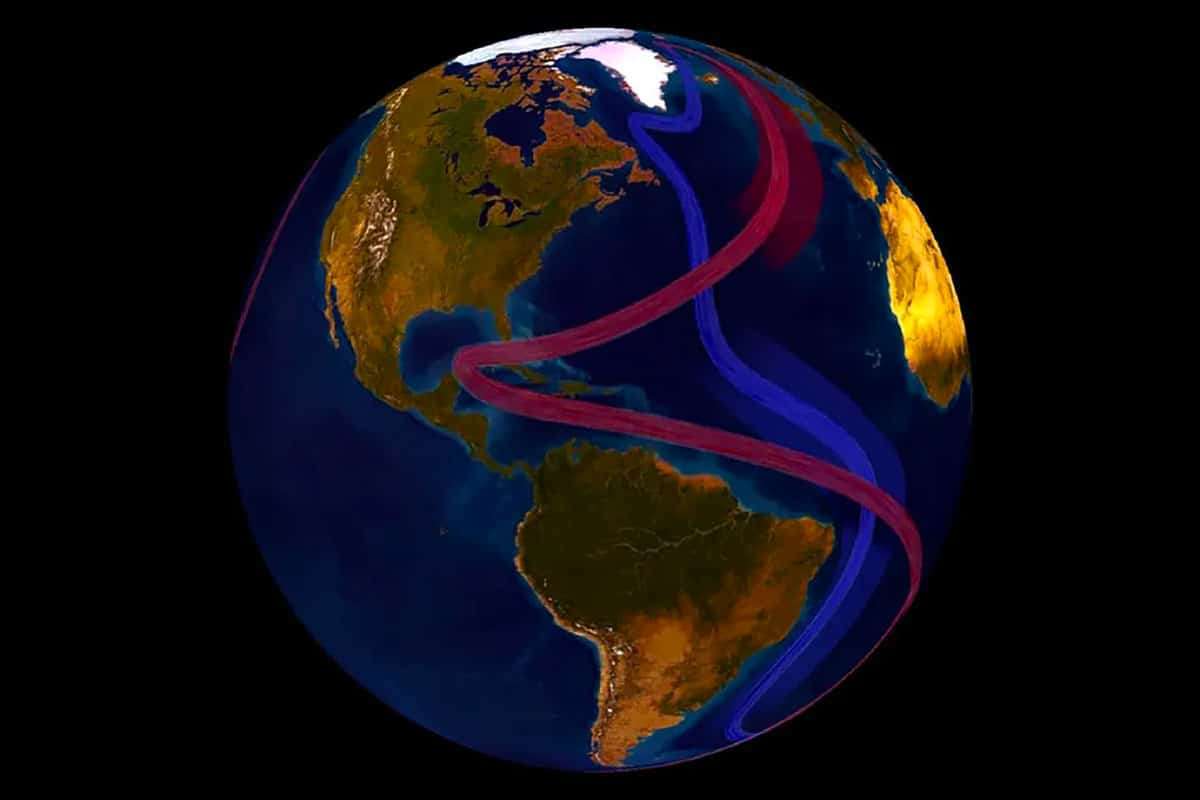
Leading climate experts worldwide are raising urgent concerns about a possible collapse of a crucial ocean current system that could dramatically change Earth’s climate. In a compelling open letter addressed to policymakers across Nordic countries, 44 top scientists highlight the imminent threat to the Atlantic Meridional Overturning Circulation (AMOC), which includes the Gulf Stream and plays a key role in stabilizing global climate.
The Atlantic Meridional Overturning Circulation's Role in Global Climate
The AMOC acts as a vast oceanic conveyor belt, moving warm waters northward through the Atlantic Ocean. This process is essential for sustaining stable temperatures and influencing weather across the Northern Hemisphere. Recent research shows the AMOC is decelerating significantly due to climate change, edging dangerously close to a critical tipping point.
The fallout from a failure of the AMOC would be extensive and severe, potentially causing:

- Intensified extreme weather in Nordic regions
- Sharp temperature drops in Northwestern Europe
- Interference with tropical monsoon cycles
- Accelerated sea-level rise along the Atlantic coast of the Americas
- Disruptions to marine life and fishing economies
Such disturbances would extend far beyond localized areas, impacting agriculture, ecosystems, and communities globally for generations. Experts stress the urgency of this issue, as the AMOC’s collapse could trigger perilous cooling in specific zones, ultimately transforming climatic conditions worldwide.
Consensus Among Researchers and Policy Recommendations
The letter, led by prominent climatologist Michael Mann of the University of Pennsylvania, underscores that the threat posed by the weakening AMOC has likely been underestimated. The scientists contend that existing climate projections might not adequately capture the full complexity or speed of this potential collapse.
Although the Intergovernmental Panel on Climate Change (IPCC) assesses with “medium confidence” that an abrupt AMOC breakdown before 2100 is unlikely, the letter's authors caution that even this degree of risk justifies prompt and bold interventions.
They urge the Nordic Council of Ministers to:
- Take the risks of AMOC failure seriously
- Amplify diplomatic efforts to ensure adherence to Paris Agreement goals
- Adopt stringent policies to drastically reduce greenhouse gas emissions
- Boost funding for research to deepen understanding and monitoring of AMOC behaviour
Worldwide Ramifications and Strategic Steps Ahead
The possibility of an AMOC collapse highlights the profound links within Earth’s climate system. While Nordic nations may bear the brunt of immediate effects, the broader repercussions would echo worldwide. The letter points out that a shift in tropical monsoon patterns could wreak havoc on agriculture and ecosystems far from the North Atlantic.
To emphasize the economic stakes, consider this estimated loss by region:
RegionEstimated Economic Impact (USD)Key Vulnerable SectorsNorthwestern Europe$500 billion to $1 trillionFarming, Fishing, EnergyEast Coast of North America$200 billion to $500 billionCoastal Infrastructure, TourismTropical Zones$300 billion to $700 billionAgriculture, Water Supply
A comprehensive response is essential. Swift climate measures must be prioritized to lower the chances of AMOC breakdown. This involves rapid shifts toward low-carbon economies, expanded renewable energy investments, and promoting natural carbon capture methods. Simultaneously, increasing support for ocean circulation research and monitoring technologies is vital for detecting warning signs earlier.
As the world faces this pressing threat, the scientific community’s message is clear: global collaboration is imperative. The collapse of the AMOC represents not just a regional peril but a worldwide emergency demanding swift, coordinated action. Immediate steps are critical to avoid irreversible climatic disruption.
- Categories:
- Climate change












0 comments
Sign in to Comment