
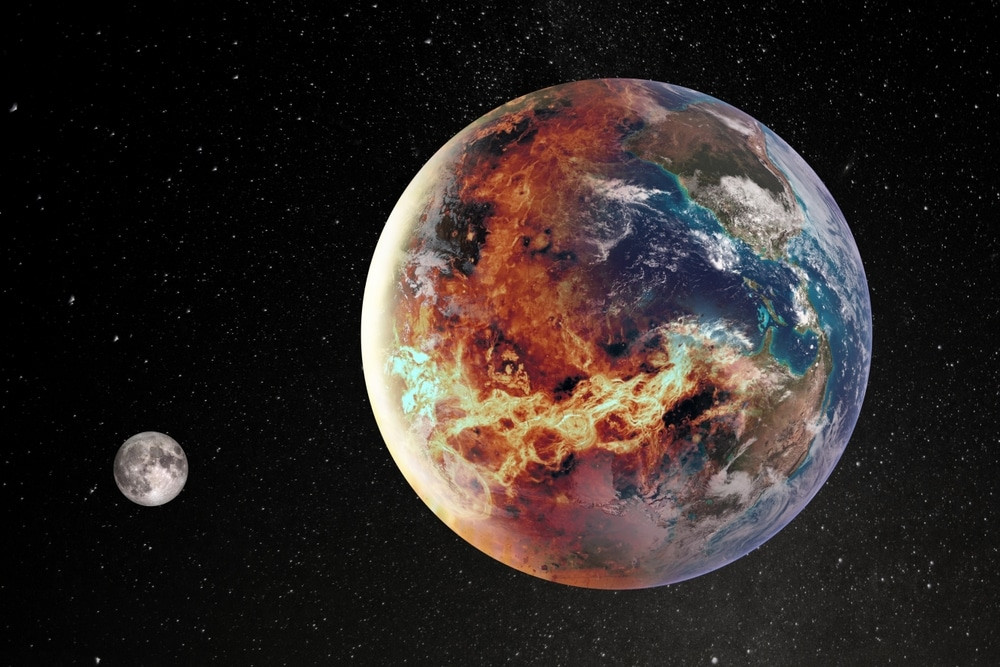
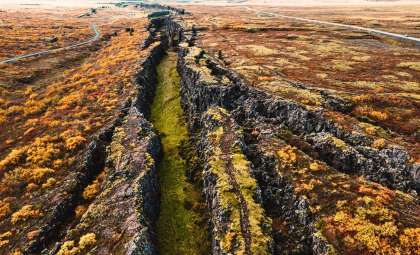
Earth’s landmasses are in constant motion. Over hundreds of millions of years, continental plates drift and collide, forming immense supercontinents that reshape the planet’s surface and atmosphere. These vast geological processes exceed the span of human history but leave lasting impacts on climate, ocean currents, and biodiversity.
Experts warn that the next major tectonic event could trigger dramatic environmental changes. Although occurring hundreds of millions of years from now, the assembly of Earth’s forthcoming supercontinent is anticipated to bring unprecedented climate extremes with crucial implications for life.
A recent peer-reviewed article in explores these future conditions. Utilizing advanced climate models alongside tectonic and atmospheric forecasts, scientists present a detailed projection of Earth’s far-off climate. Their results suggest a future where intense heat and shrinking habitable zones envelop much of the terrestrial world.

Earth Warms as Landmass and Sunlight Influence Climate
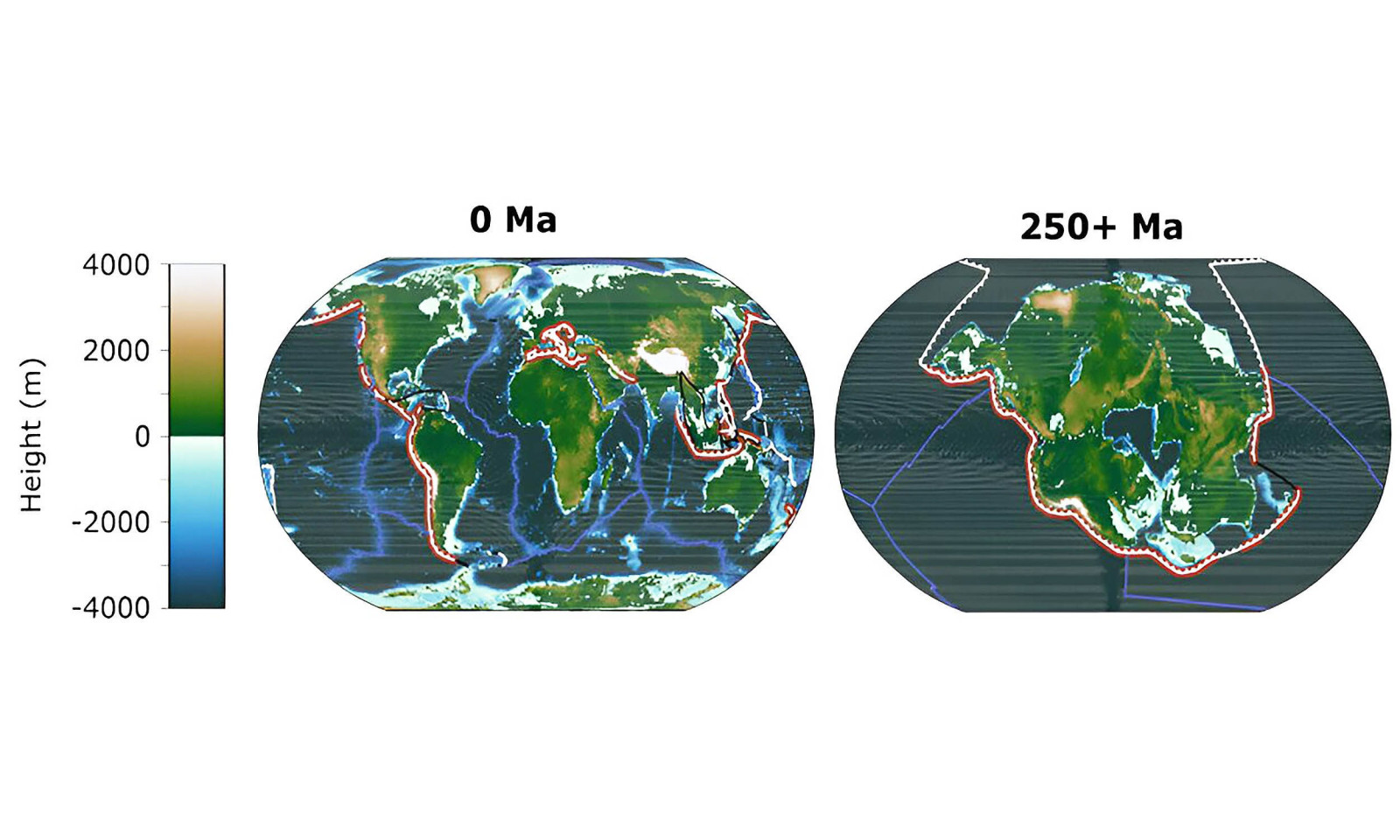
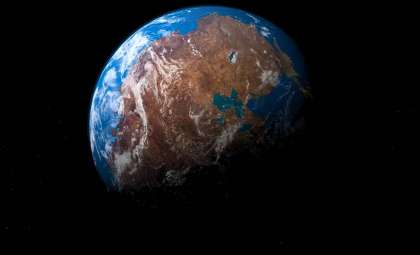
The study centers on the emergence of Pangea Ultima, a hypothesized supercontinent expected to form in roughly 250 million years. As tectonic plates shift, continents are projected to merge into one vast landmass near the equator.
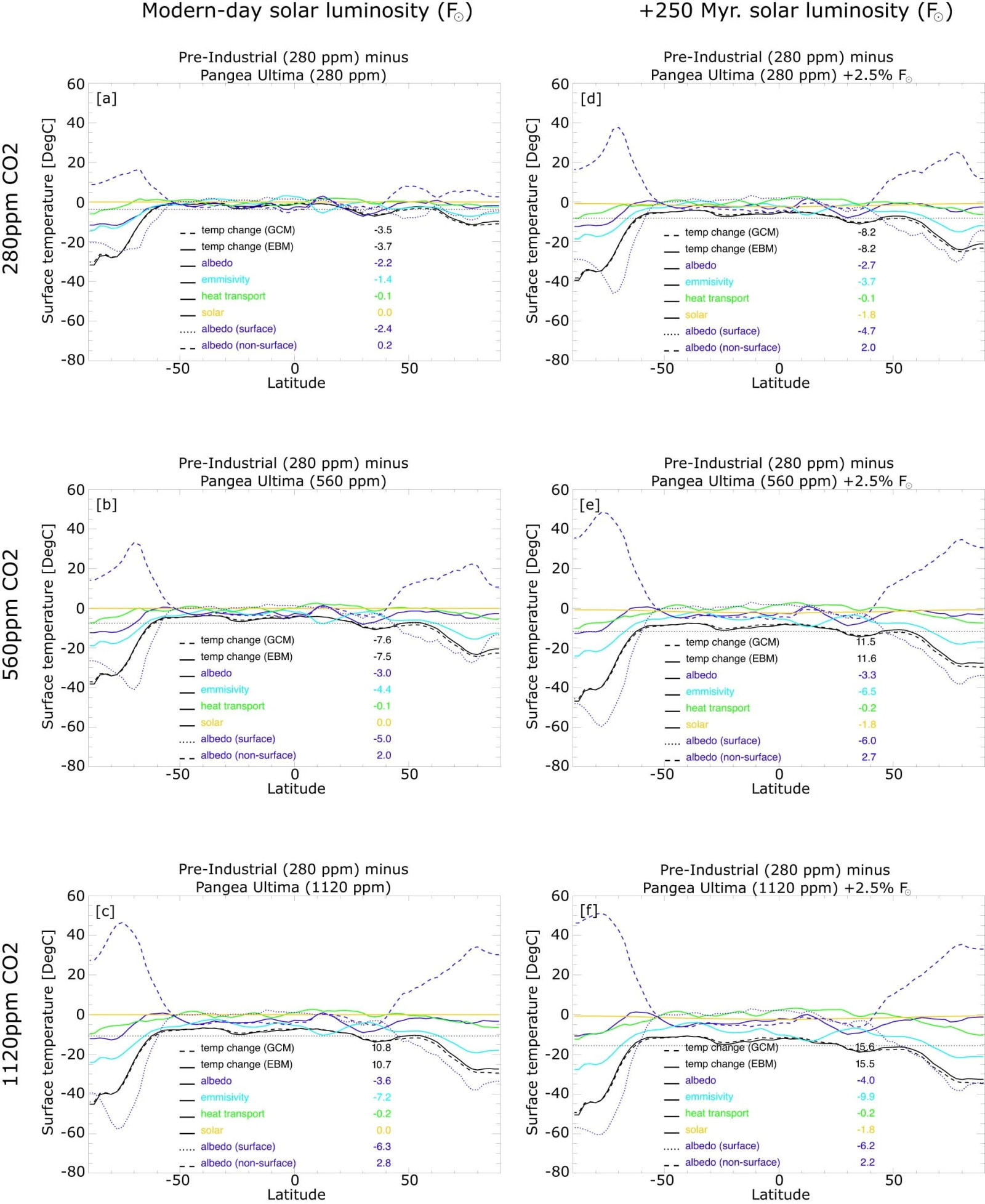
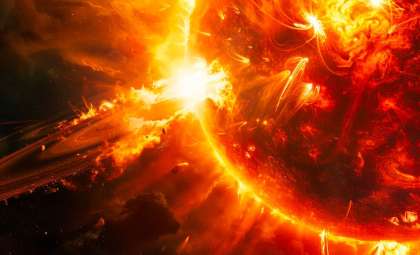
This new configuration would fundamentally disrupt Earth’s energy balance. With diminished ocean coverage to regulate temperatures and a concentration of land in equatorial regions, global warming would intensify. Researchers used the HadCM3L general circulation model, simulating a 2.5% increase in solar output consistent with astrophysical estimates for this distant future.
Results indicate average land temperatures could rise by up to 30°C above pre-industrial levels. Mean temperatures across the future supercontinent are predicted to fall between 24.5°C and 35.1°C, with some areas experiencing even greater heat extremes.
Such temperatures surpass the biological tolerance for many mammals. Three main factors contribute: the continentality effect, solar luminosity increase, and elevated atmospheric carbon dioxide (CO₂) levels driven by heightened volcanism accompanying continental convergence.
Thresholds of Heat Stress Threaten Survival
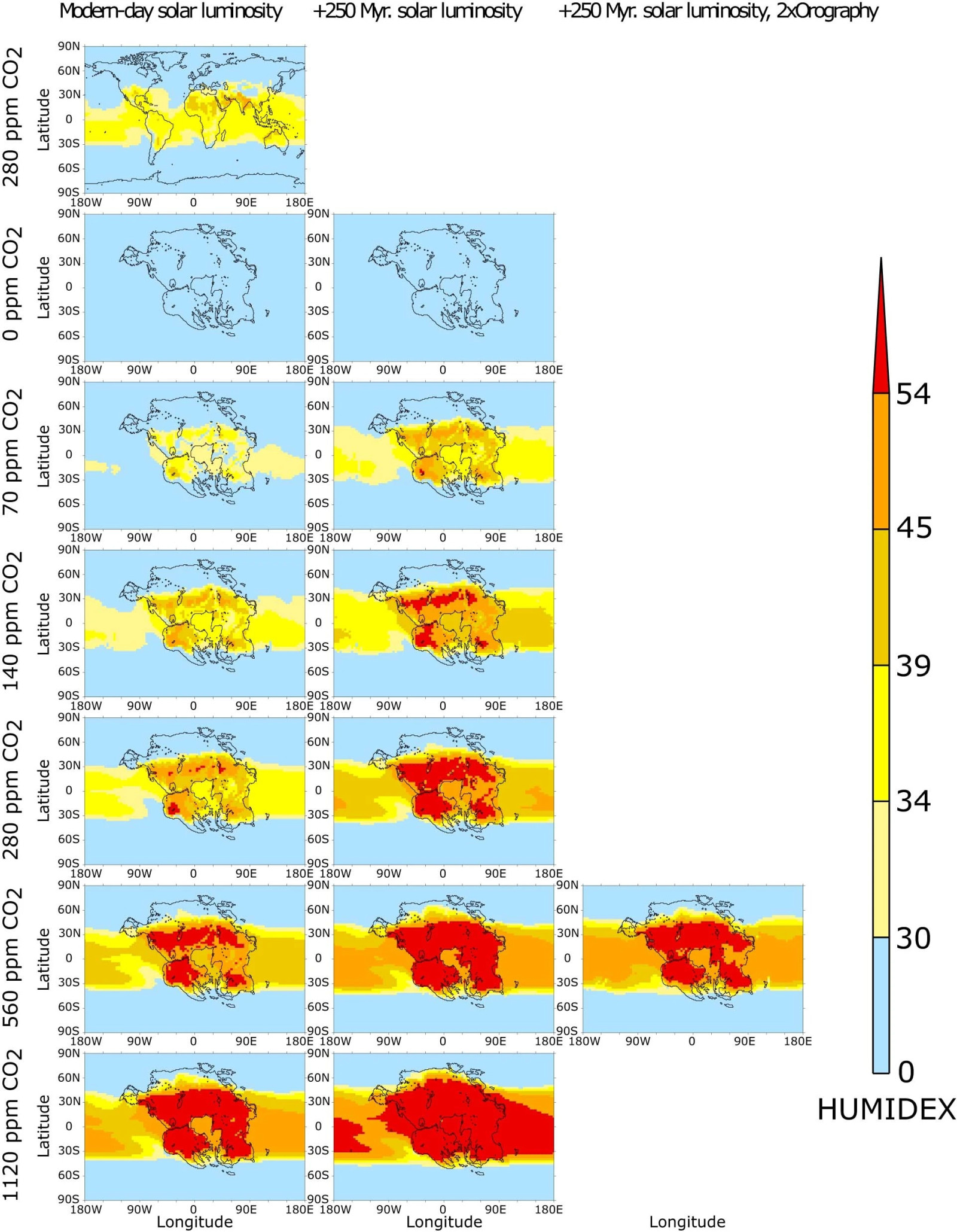
A key insight involves the limits of heat stress tolerance. Mammals regulate internal temperature through sweating or panting, but this cooling fails past certain heat and humidity levels. Scientists assessed survivability using measures like wet-bulb temperature and the Humidex index.
Wet-bulb temperatures beyond 35°C—where thermoregulation breaks down—are expected to become widespread. Dangerous Humidex values are also projected. Under mid-range CO₂ concentrations (560 ppm), merely 16% of the supercontinent remains within habitable heat-humidity limits, falling to 8% under higher levels (1,120 ppm).
“Sustained temperatures ranging from 40 to 50°C (104 to 122°F), along with extreme daily temperatures and high humidity, would ultimately be devastating,” said Dr Alexander Farnsworth, lead author and senior research associate at the University of Bristol, which led the model simulations.
Besides intense heat, increasing dryness would limit water and plant availability, crippling food chains. These combined stresses would impose enormous physiological challenges on mammals, humans included. Traversing vast desert interiors would become nearly impossible, while limited refuges at higher latitudes provide scant relief.
The Role of Volcanic Activity, Carbon Cycles, and Mass Extinction
Historic mass extinctions commonly follow spikes in atmospheric CO₂. Researchers integrated long-term carbon cycles using the SCION biogeochemical model, considering tectonic shifts, volcanic emissions, and continental weathering.
Future background CO₂ is estimated to range between 410 and 816 ppm, averaging about 621 ppm. This would sustain a greenhouse state, even without human emissions. Silicate weathering—the natural carbon sink—would become less effective on an arid supercontinent, slowing CO₂ removal.
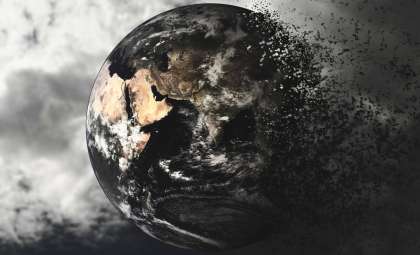
Comparable historical events, such as the end-Permian extinction 252 million years ago, involved a 10°C temperature surge and over 90% marine species loss. Similar carbon and temperature effects are forecast for Pangea Ultima, with terrestrial conditions potentially exceeding those extremes.
As highlighted in the Earth.com article on the research, “the expansion of arid regions would make securing food and water an enormous challenge.” Even species with survival tactics like hibernation or burrowing would be pressured, as diminishing vegetation disrupts ecosystems worldwide.
Reevaluating Habitability for Earth and Other Worlds
This research also affects how scientists gauge exoplanet habitability. Often based solely on star distance, habitability can shift due to planetary factors such as land distribution and atmospheric composition.
“Our work shows that even planets inside a star’s ‘habitable zone’ may be inhospitable for humans if continents cluster into a supercontinent rather than remain dispersed,” Farnsworth remarked in Nature Geoscience.
Under high CO₂ and increased solar luminosity, Earth could fail established astrophysical habitability metrics like the Earth Similarity Index (ESI), which factors in planetary mass, radius, temperature, and water presence. All Pangea Ultima scenarios fall below the ESI habitability cutoff of 0.8, despite Earth retaining its orbital position.
- Categories:
- Science







0 comments
Sign in to Comment