

The Earth’s crust is perpetually evolving, driven by the gradual yet forceful motion of tectonic plates. While some plates have endured for hundreds of millions of years, others have vanished beneath the surface through a process called subduction.
Recently, scientists have validated the presence of an ancient mega-plate named Pontus, which once spanned a vast area of the Pacific Ocean before descending below the Earth’s crust.
Unveiling a Forgotten Chapter of Tectonic Activity
Identifying Pontus sheds light on the complex evolution of plate tectonics and the transformation of Earth's surface over geological time. This plate existed in a zone where two key tectonic domains—the Tethyan and Panthalassa realms—interacted, fostering a dynamic environment marked by shifting oceanic plates and active subduction.

Although the existence of Pontus was hypothesized for years, concrete proof was lacking until now. The recent investigation, spearheaded by Dr. Suzanna Van de Lagemaat at Utrecht University, utilized seismic imaging, advanced modeling, and extensive field studies to confirm Pontus as a crucial component of the Pacific tectonic framework.
Geological Clues Reveal Pontus's Legacy
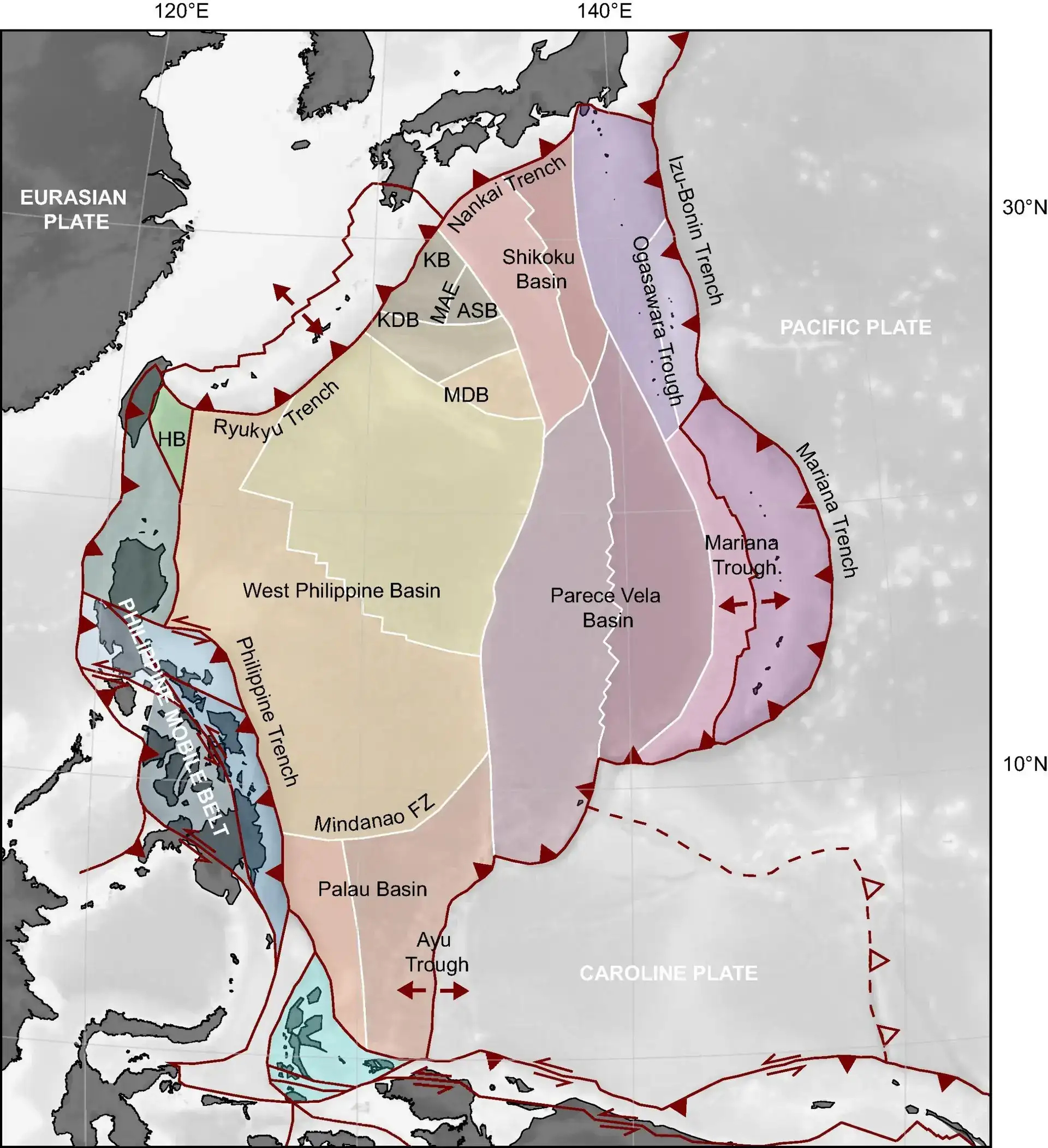
Scientists uncovered evidence of Pontus by studying geological structures in Japan, Borneo, the Philippines, and New Zealand. These locations contain remnants of ancient oceanic crust that hold vital information about Earth’s tectonic past.
A pivotal discovery was made in northern Borneo, where unique magnetic patterns in rock formations indicated the origins of this vanished plate far north of earlier estimates. Parallel findings in Palawan and the South China Sea supported the conclusion that Pontus was part of an extensive tectonic system spanning the Pacific region.
The Fate of the Pontus Plate
Like many extinct tectonic plates, Pontus was ultimately overridden by subduction, slipping beneath Earth's lithosphere after colliding with neighboring plates. Estimates indicate that Pontus existed for approximately 160 million years before disappearing around 20 million years ago.
The research highlights Pontus's significant influence on the development of the western Pacific region's geology, where it once formed a considerable subduction zone that contributed to Earth's ongoing geological processes. Unraveling the history of this lost plate enhances scientists’ comprehension of tectonic dynamics shaping our planet.
A Significant Advancement in Understanding Plate Movement
Confirming the existence of Pontus fills a crucial gap in geological understanding, offering valuable insights into how subduction zones affect the motion of the Earth’s crust.
Subduction is vital for mantle convection, the mechanism responsible for distributing heat within Earth’s interior. Studying ancient plates like Pontus may aid in forecasting seismic events and volcanic activity in the future.
The breakthrough hinged on seismic tomography, a method that reveals fragments of subducted plates deep inside the mantle. By interpreting earthquake wave behavior through Earth’s layers, researchers identified Pontus’s vestiges entombed in the mantle.
- Categories:
- Science







0 comments
Sign in to Comment