
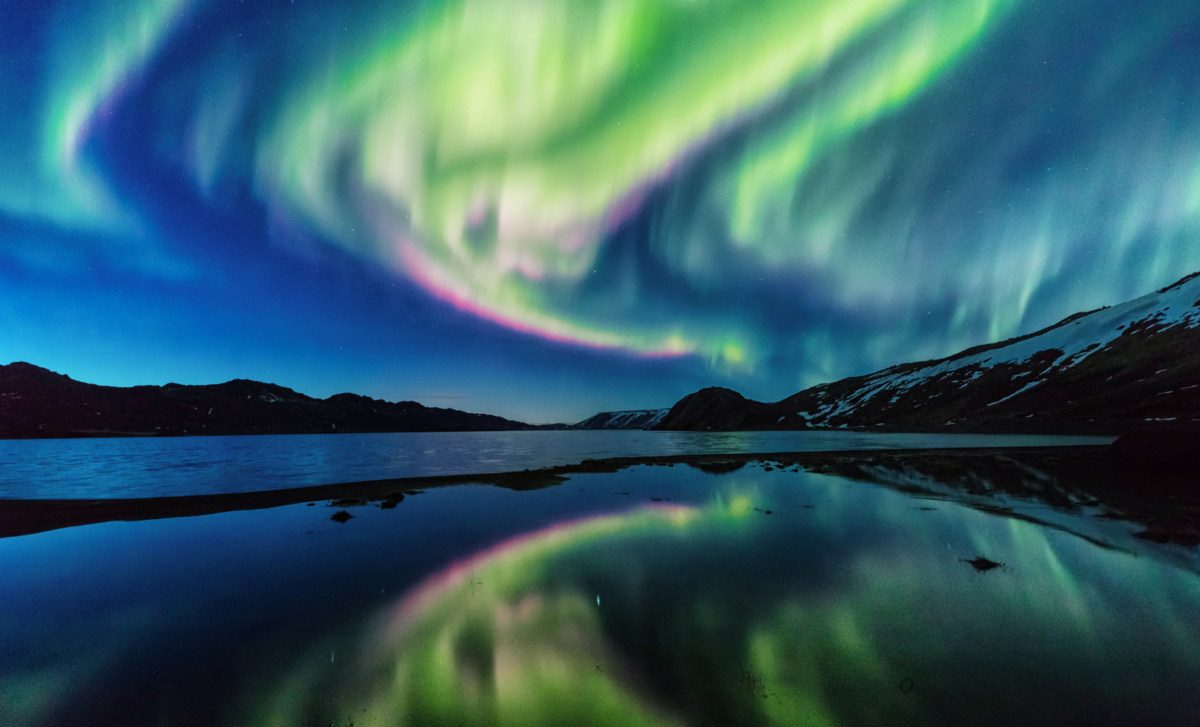
A mesmerizing astronomical phenomenon is about to reappear, as NOAA experts forecast increased geomagnetic disturbances that may ignite another wave of northern lights. Recent data from NOAA’s Space Weather Prediction Center reveals that a swift solar wind from a coronal hole will likely pass by Earth on Thursday, May 7, creating energized geomagnetic conditions capable of producing vivid auroras. This is the third occasion this week where the night sky could be illuminated by this natural spectacle.
Though solar activity has been relatively subdued lately, the projections point to a potential G1 to G2 level geomagnetic storm. This could deliver an extraordinary display visible across extensive northern regions, including parts of Alaska, Canada, and the northern United States. The northern lights are an enchanting and uncommon sight, and this surge in solar wind offers a rare chance to observe them once more.
Why Is This Auroral Display Unique?
Geomagnetic storms occur when charged solar particles collide with Earth's atmosphere, generating the captivating light waves known as aurora borealis or northern lights. The current burst of solar wind originating from a coronal hole is anticipated to induce such a storm, potentially amplifying the aurora’s intensity in regions with ideal viewing conditions.

Forecasting auroras involves complex monitoring of solar winds, Earth’s magnetic environment, and planetary orientation, unlike traditional weather predictions.
With spring advancing in the northern hemisphere, longer daylight hours and milder weather reduce the visibility of auroras in upcoming months. For inhabitants of higher latitudes, this event might be the final opportunity to enjoy the lights until later this year, making the forecast even more thrilling.
Best Timing and Locations for Viewing
According to NOAA’s latest forecast, geomagnetic activity will peak overnight between May 7 and 8. The prime time to catch the aurora borealis will be late Thursday night into the early hours of Friday, when intensified solar winds interact strongly with Earth’s magnetic field, providing optimal viewing conditions.
Those residing near polar areas such as northern Alaska, Canada, and Scandinavia will be in the prime zones to witness the spectacle. Additionally, regions further south, including parts of Michigan, New York, and northern Ohio, could have a chance, provided the skies are clear and light pollution is minimal.
As with all celestial events, there is no guarantee of seeing the northern lights. Factors such as cloud cover, local weather, and geomagnetic storm strength will affect visibility. If you plan to observe the display, it’s important to monitor local weather and choose a dark, unobstructed location.
What Visuals Can You Anticipate?
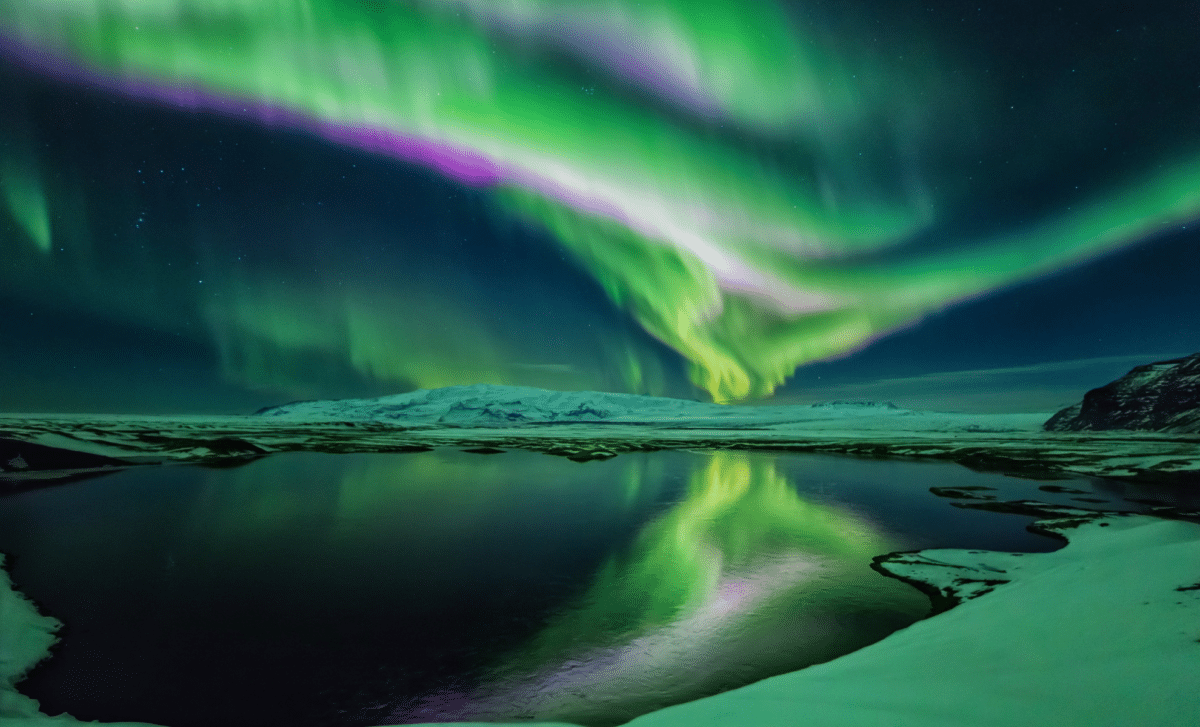
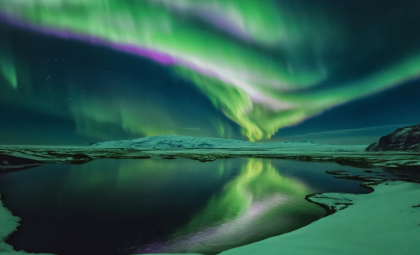
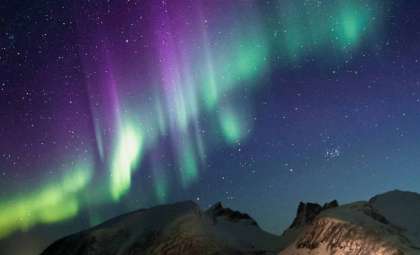
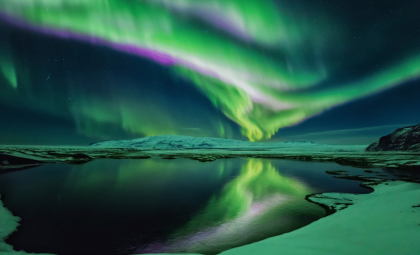
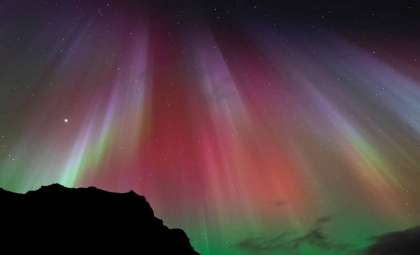
When conditions align perfectly, the aurora borealis can paint the night sky with flowing ribbons of green, purple, and blue, drifting and shimmering along the horizon. Stronger geomagnetic storms produce brighter and more widespread auroras, potentially extending their reach to lower latitudes than usual. This solar wind event may carry the lights further south, allowing people outside typical viewing zones to experience the phenomenon.
Although solar activity has been moderate recently, these bursts offer some of the most vivid and awe-inspiring auroral shows. For those fortunate enough to be positioned well, this occurrence could become a memorable highlight.
- Categories:
- News





0 comments
Sign in to Comment