
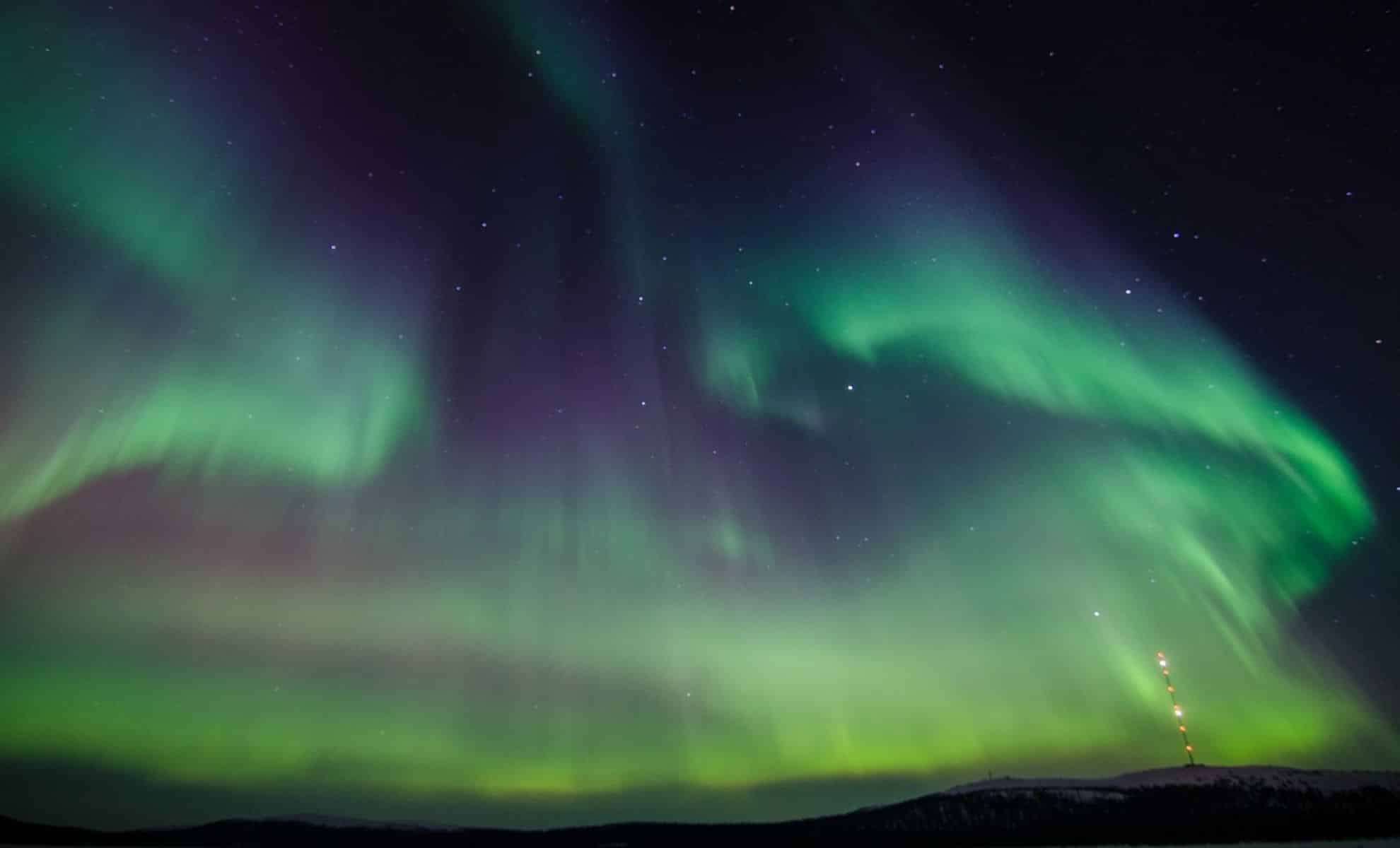
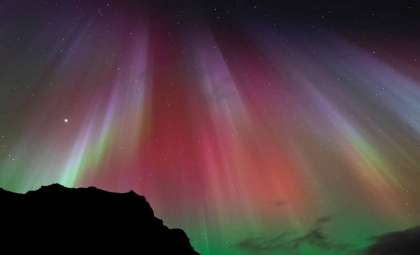
Tonight offers another opportunity to observe the aurora borealis across several regions of the United States as geomagnetic disturbances continue to influence Earth's upper atmosphere. The National Oceanic and Atmospheric Administration (NOAA) has released an alert indicating enhanced aurora visibility in northern areas due to solar wind streams originating from a coronal hole on the sun. As Forbes highlights, this surge follows the intense solar activity experienced during 2024’s notable 500-year solar maximum, which remains active.
Residents in at least 10 US states may soon witness one of nature’s most breathtaking light shows — no special equipment required.
Active Geomagnetic Conditions Stimulate Aurora Sightings
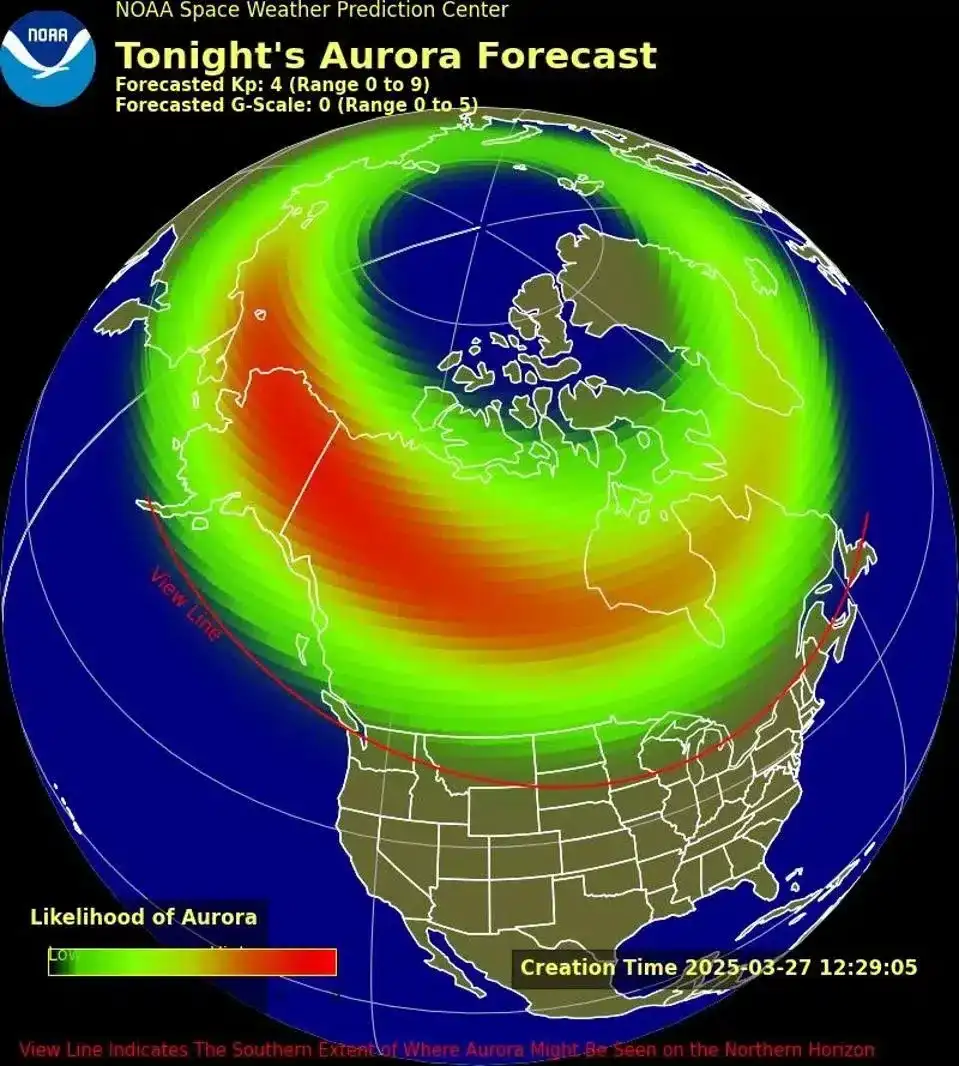
NOAA predicts a Kp index reaching 4 out of 9, an indicator of moderate geomagnetic storm strength that increases the likelihood of aurora sightings. Those located in dark regions with unobstructed northern views can expect visible auroral displays.

The auroras result not from weather systems but rather from charged solar particles interacting with Earth's magnetic field. This week's activity originates from a coronal hole emitting a high-speed solar wind stream—areas of the sun that are cooler and less dense, ejecting faster solar particles.
This brings another wave of auroras, visible especially in locations where the phenomenon is usually rare.
Regions Most Likely to Experience the Northern Lights
Per NOAA’s forecast, the aurora viewing corridor extends southward to southern Minnesota, with the highest intensity in Alaska and northern Canadian territories. States such as Washington, Idaho, Montana, North Dakota, Minnesota, and northern Michigan stand a good chance at seeing the lights, whereas South Dakota, Wisconsin, and Maine are predicted to have reduced visibility.
The auroras could be visible again on Friday night, before fading somewhat on Saturday when the Kp index lowers to 3.
For optimal observation, NOAA suggests venturing outdoors between 10 p.m. and 2 a.m. local time, preferably from elevated, dark areas away from urban light pollution.
Tips for Photographing the Aurora
Capturing the northern lights requires specific techniques beyond casual phone photography. Specialists recommend using a wide-angle lens paired with a wide aperture (≤ f/4), and manual focus set to infinity. Smartphone users should activate night mode and ensure the flash is turned off.
Utilizing a tripod minimizes motion blur, and patience is key. Even if the aurora’s colors aren’t immediately visible to the eye, longer exposure times can reveal shades of green, purple, or red.
Understanding the Physics Behind Auroral Displays
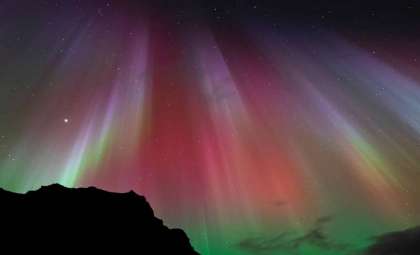
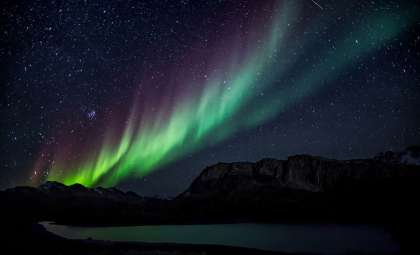
Auroras occur as electrons propelled by solar flares and coronal mass ejections collide with oxygen and nitrogen molecules in Earth's upper atmosphere. The collisions energize these atoms, which emit light as they relax, producing the characteristic glowing curtains near polar regions.
Such phenomena are most frequent during heightened solar activity phases like the ongoing solar maximum. NASA notes this current peak commenced in late 2024 and is projected to continue through early 2026.
Last year's intense geomagnetic storm, the strongest in two decades, caused auroras to appear as far south as Texas and northern Florida, suggesting the potential for more extraordinary auroral events in the near future.
- Categories:
- News




0 comments
Sign in to Comment