
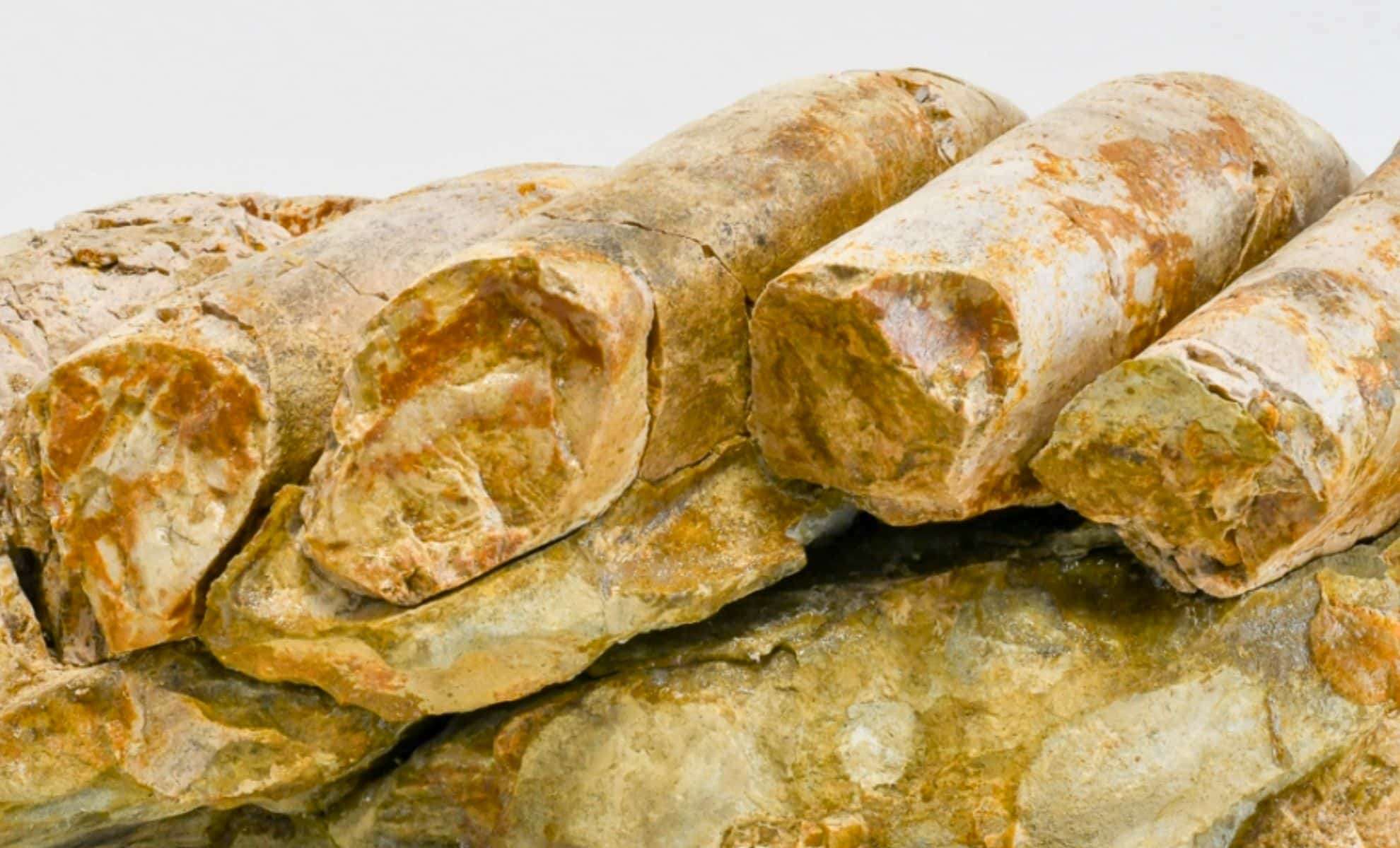
A remarkable fossil discovered on Santa Rosa Island within Channel Islands National Park is captivating paleontologists. Dated to roughly 20 to 25 million years ago, this find is from an extinct marine mammal known as a sea cow, closely related to today’s dugongs and manatees.
Preliminary examinations of the fossil’s skull and skeletal remains suggest it might be a previously unidentified species. The initial announcement was made in late 2017 by the National Park Service, followed by detailed research conducted by the Santa Barbara Museum of Natural History (SBMNH).
An Unexpected Discovery During Geological Survey
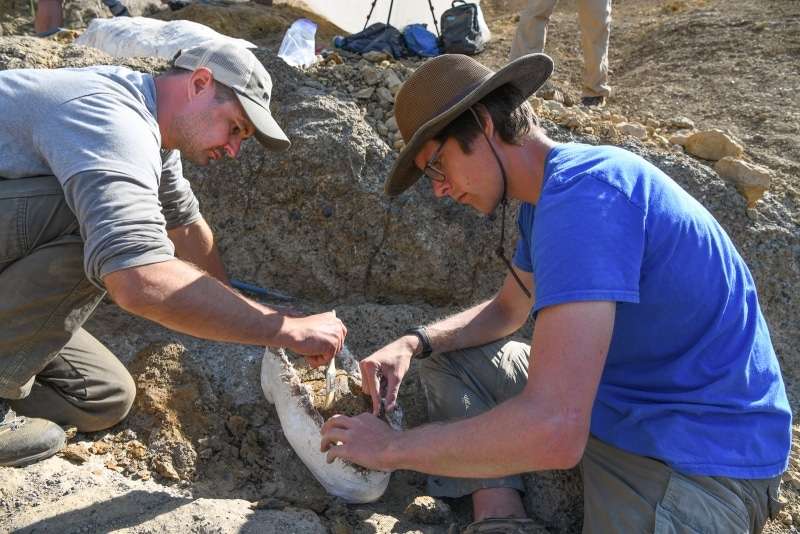
This fossil was uncovered quite by chance. Scott Minor and Kevin Schmidt, geologists from the U.S. Geological Survey, were performing standard fault-mapping on the island when they noticed an unusual object embedded in a cliff face. It turned out to be a fossilized sirenian, a marine mammal related to manatees and dugongs.

Because the fossil was exposed in a fragile position, Dr. Jonathan Hoffman and his team at SBMNH acted swiftly to protect it from damage by approaching storms. They extracted a small fragment early on to prepare it for examination. This initial sample displayed the distinctive robust ribs characteristic of sea cows, which aid their buoyancy control as they feed on seagrass.
From Ancient Ocean Floor to Mountain Ridge
Currently, this fossil rests nearly 1,400 feet above sea level, far from the ancient marine habitat it once occupied. Back then, the Channel Islands were situated hundreds of miles farther south. Over millions of years, tectonic movements of the Pacific Plate transported the seafloor northward and uplifted it, revealing parts of that ancient ecosystem on today’s land.
The bones reveal compelling insights into the animal’s lifestyle. Sea cows, members of the sirenian family, possess dense, heavy ribs to maintain submersion during feeding on seagrass. The Santa Rosa fossil shares these traits. Researchers are particularly interested in analyzing the tooth wear patterns, which can indicate diet and age through the abrasion caused by sand mixed with vegetation.
“This sea cow was likely unearthed only recently after being buried for millions of years,” Hoffman noted. “It belongs to a distinct era and environment.” That environment was probably a shallow coastal sea rich in marine plants, long before human presence in California.
Might This Represent a New Sea Cow Species?
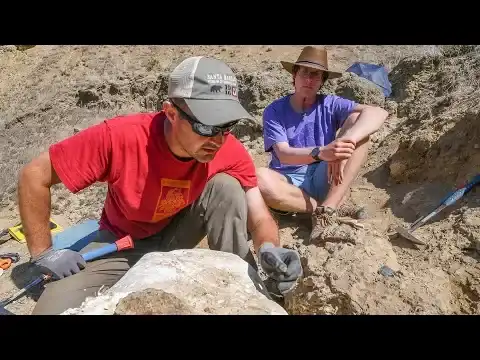
Scientists are cautiously hopeful this fossil could represent a novel species. Dr. Jorge Velez-Juarbe of the Natural History Museum of Los Angeles County is conducting detailed skull assessments, which will clarify the fossil’s identity.
Interestingly, other remains from at least four additional sea cows have been uncovered nearby, hinting that this location was once a thriving habitat for these marine mammals. These extra fossils are preserved safely and will be studied alongside the principal specimen.
- Categories:
- News


0 comments
Sign in to Comment