
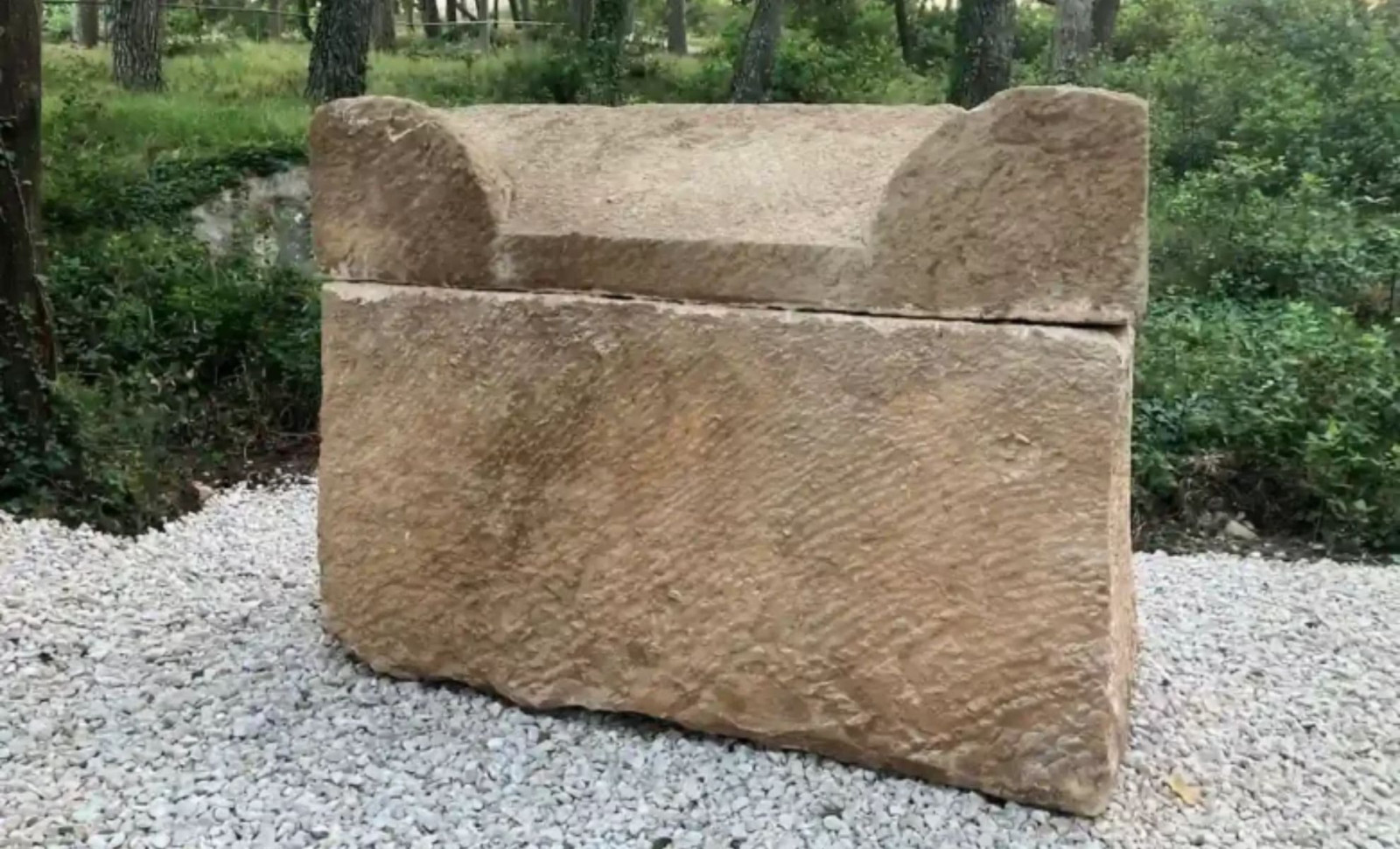
A Late Roman stone coffin found beneath Cavtat’s historic district in Croatia has remained sealed for some 1,500 years. Excavated within the ancient necropolis of Epidaur, this extraordinary find ranks among Croatia’s most important archaeological revelations in recent memory.
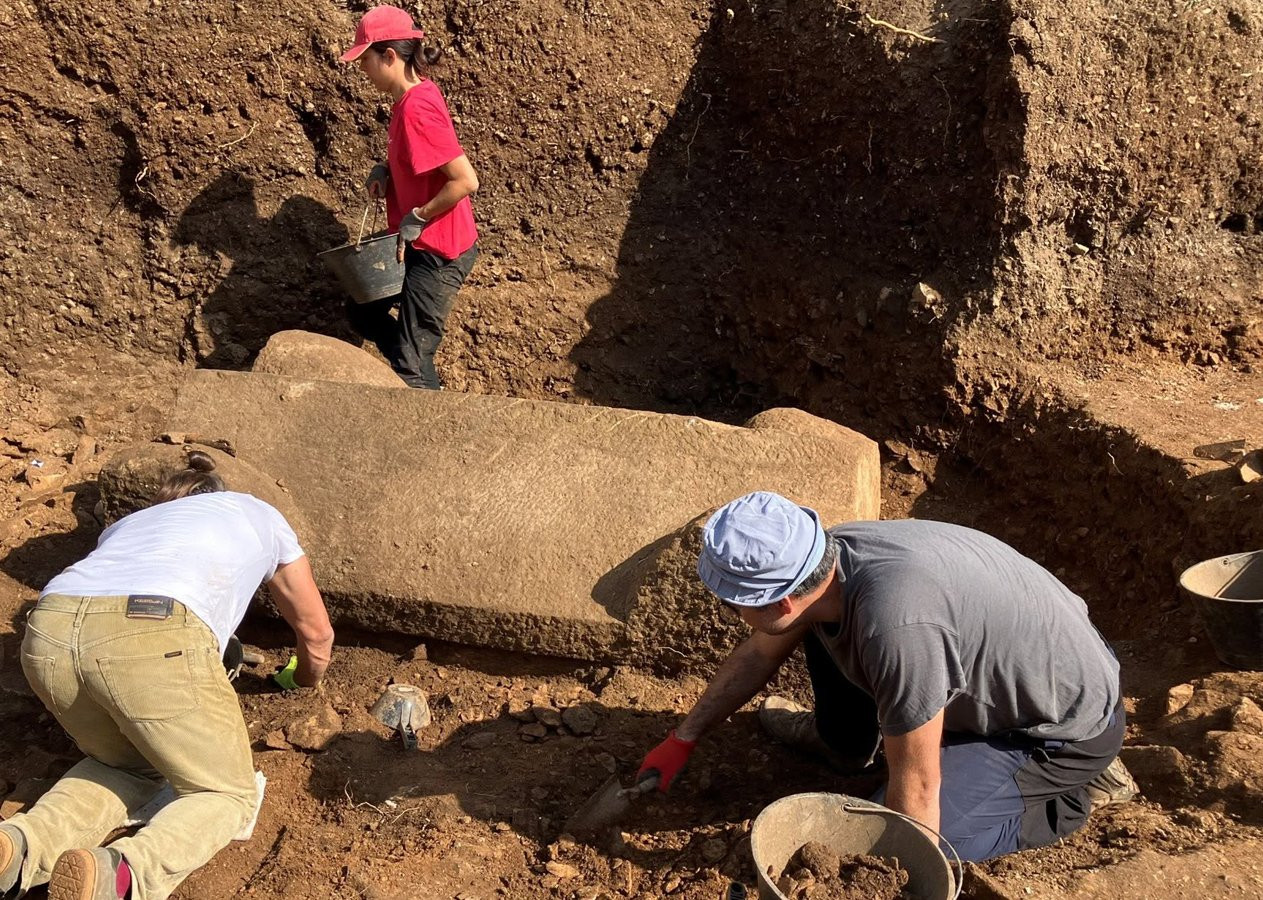
Unearthed at the Zorina 8 excavation site, researchers have been exploring the cemetery of the former Roman settlement Epidaur. Amid various burial types uncovered, one find quickly captured attention.
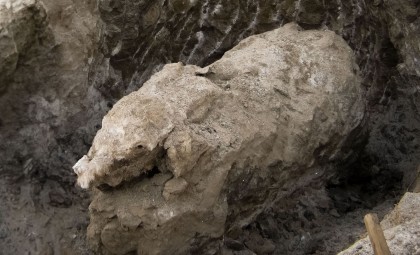
The Museums and Galleries of Konavle report that the stone sarcophagus remains in its original resting place, never disturbed since ancient times. Traces of the original sealing lime mortar are still visible, underscoring the burial’s untouched condition through centuries.

An Undisturbed Burial From Roman Times
The sarcophagus is a substantial Salonitan-style stone coffin dating back to between the 4th and 6th centuries AD. Positioned approximately three meters below the current surface and weighing around five tonnes, it is among the few sealed Late Roman burials uncovered in Croatia.
Upon carefully lifting the heavy lid for removal, archaeologists discovered it contained the remains of a single individual laid to rest as the primary burial. Although the skeletal remains were poorly conserved, the burial itself had never been violated.
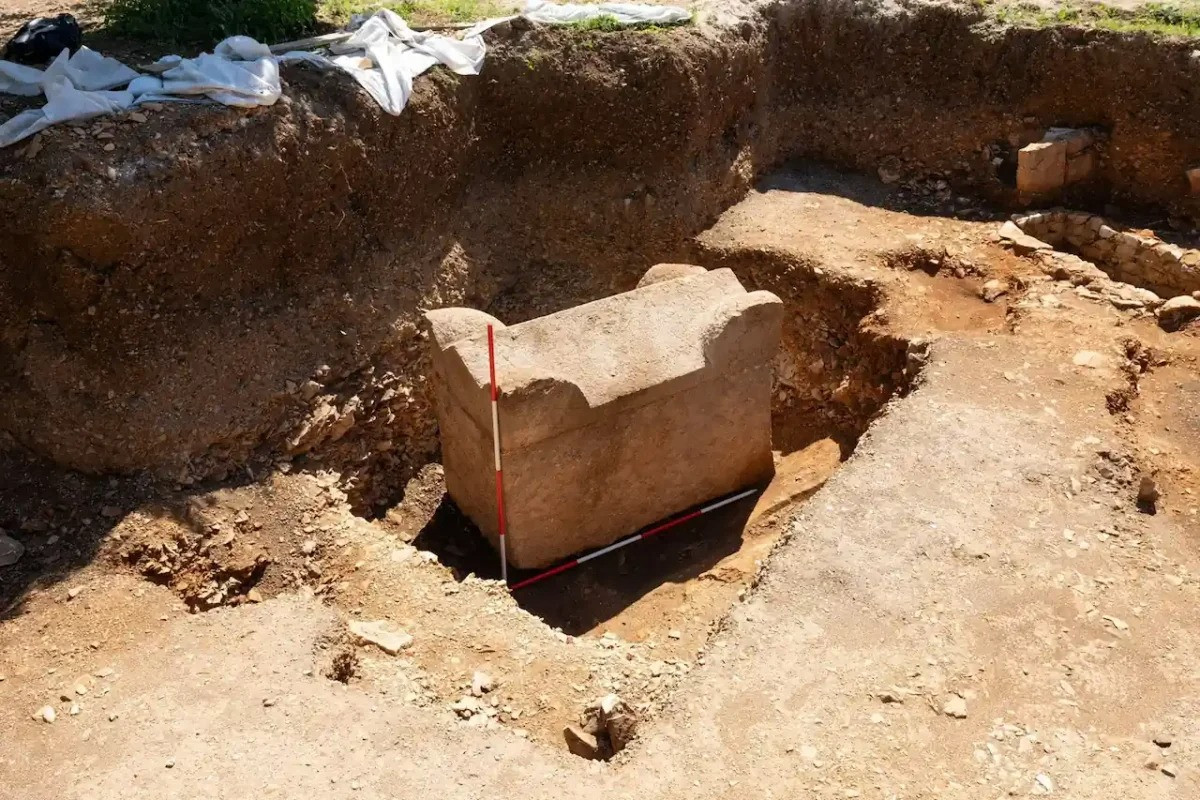
In a translated statement, the excavation team emphasized that the tomb's pristine condition offers an exceptional chance to investigate a burial that has remained sealed since its original interment.
Beginning the Scientific Examination
The human remains were noted as fragile and fragmented, hindering early efforts to ascertain the individual's age or gender. Alongside the skeleton, organic residues and other burial-associated materials were recovered.
These materials, including samples of the original lime mortar sealing, were carefully collected under strict chain-of-custody procedures for laboratory analysis. Future testing will involve radiometric dating, spectrometry, and micromorphological studies to analyze the biological remains and burial artifacts.
Despite the poor preservation of the bones, the organic deposits retrieved could illuminate burial traditions and daily life during the waning period of Roman dominance in the area.
From Excavation Site to Conservation Lab
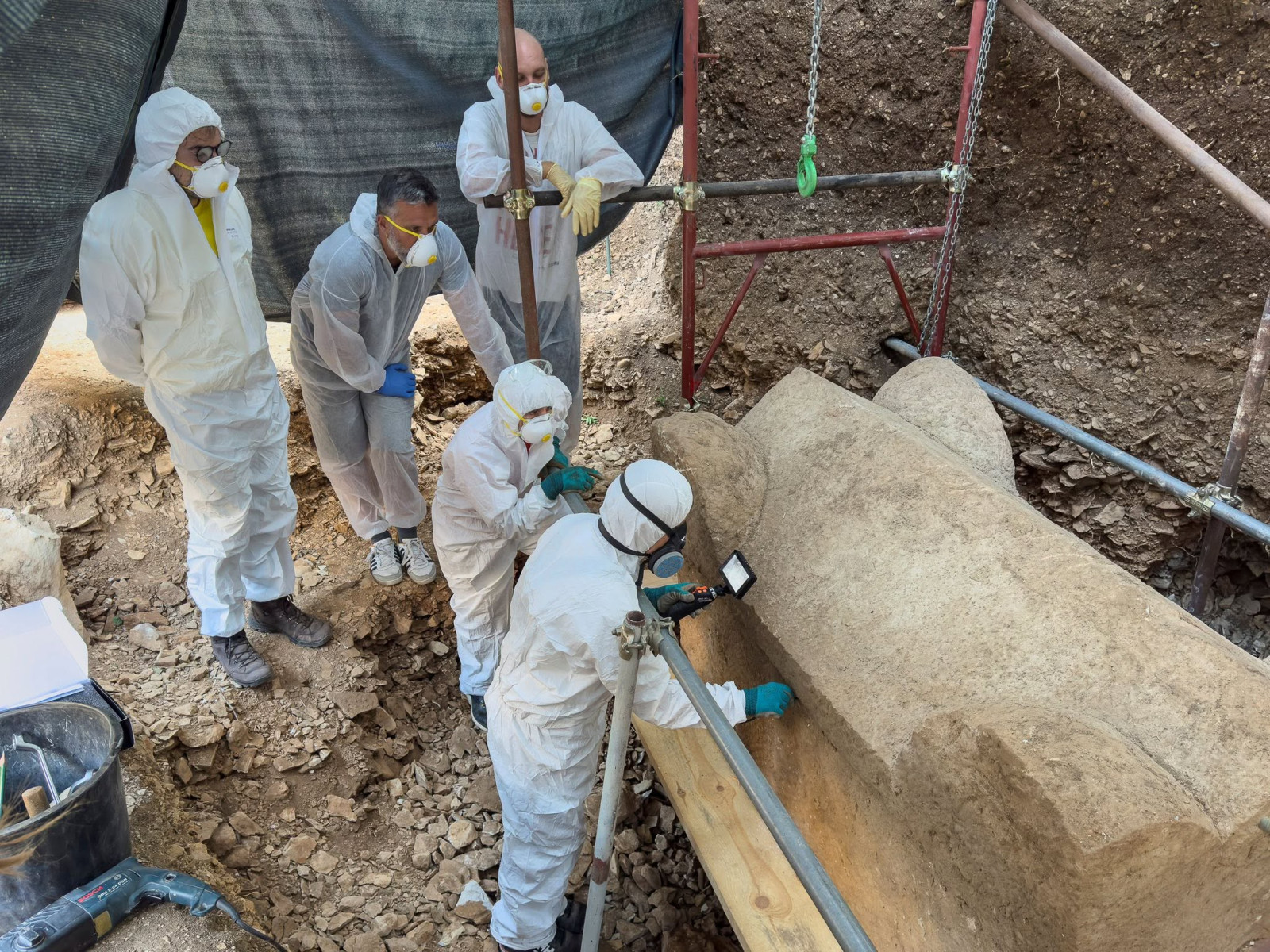
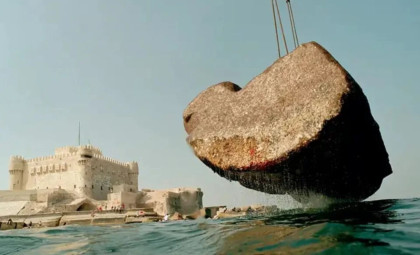
The extraction demanded meticulous planning. Experts first removed the substantial stone lid, then carefully lifted and transported the five-ton coffin, prioritizing the preservation of its structural soundness throughout.
Conservator-restorer Siniša Bizjak, collaborating with sculptor Tomislav Šalov and a dedicated team, oversaw the process ensuring the monument’s safe handling and long-term preservation.
- Categories:
- Science


0 comments
Sign in to Comment