
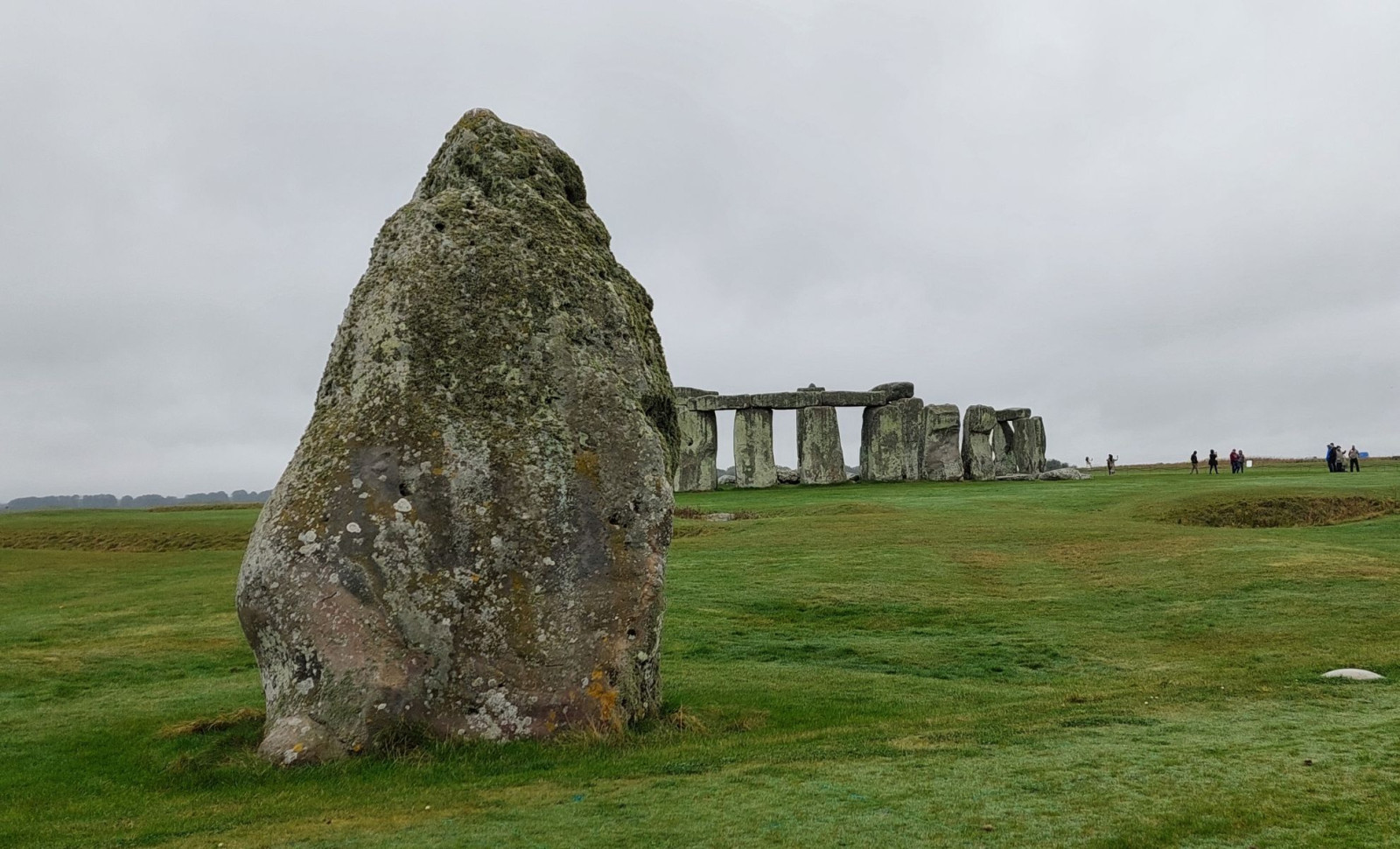
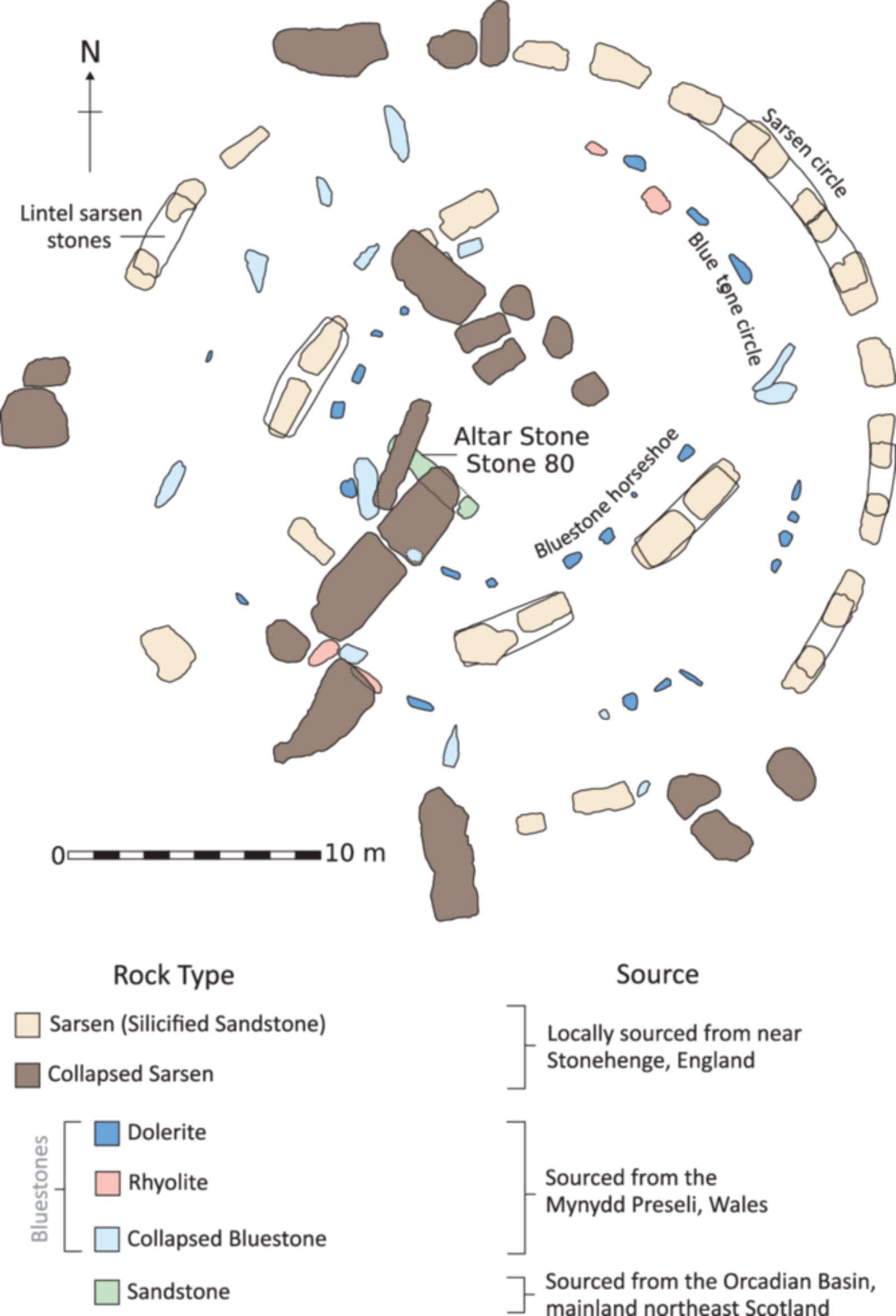
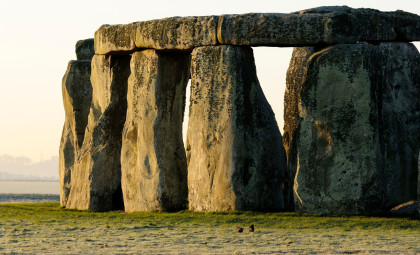
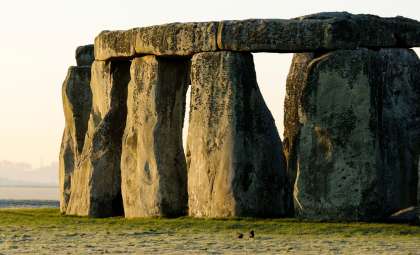
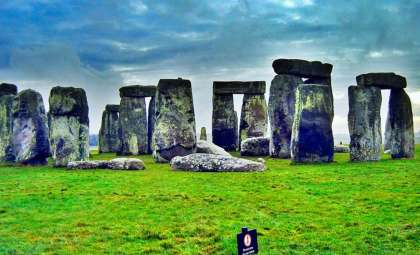
The colossal altar stone at Stonehenge’s center has intrigued archaeologists for years. Weighing nearly six tons and measuring about five meters in length, this sandstone slab is believed to have originated from northeast Scotland. Recent findings indicate that it was almost certainly transported by humans, not glaciers, across an extraordinary distance.
Positioned partly buried within Stonehenge’s inner circle for approximately 4,500 years, the stone is integral to the monument’s design. Pinpointing its origin offers insights into the prehistoric builders’ construction methods and their material preferences.
Tracing the Stone’s Source
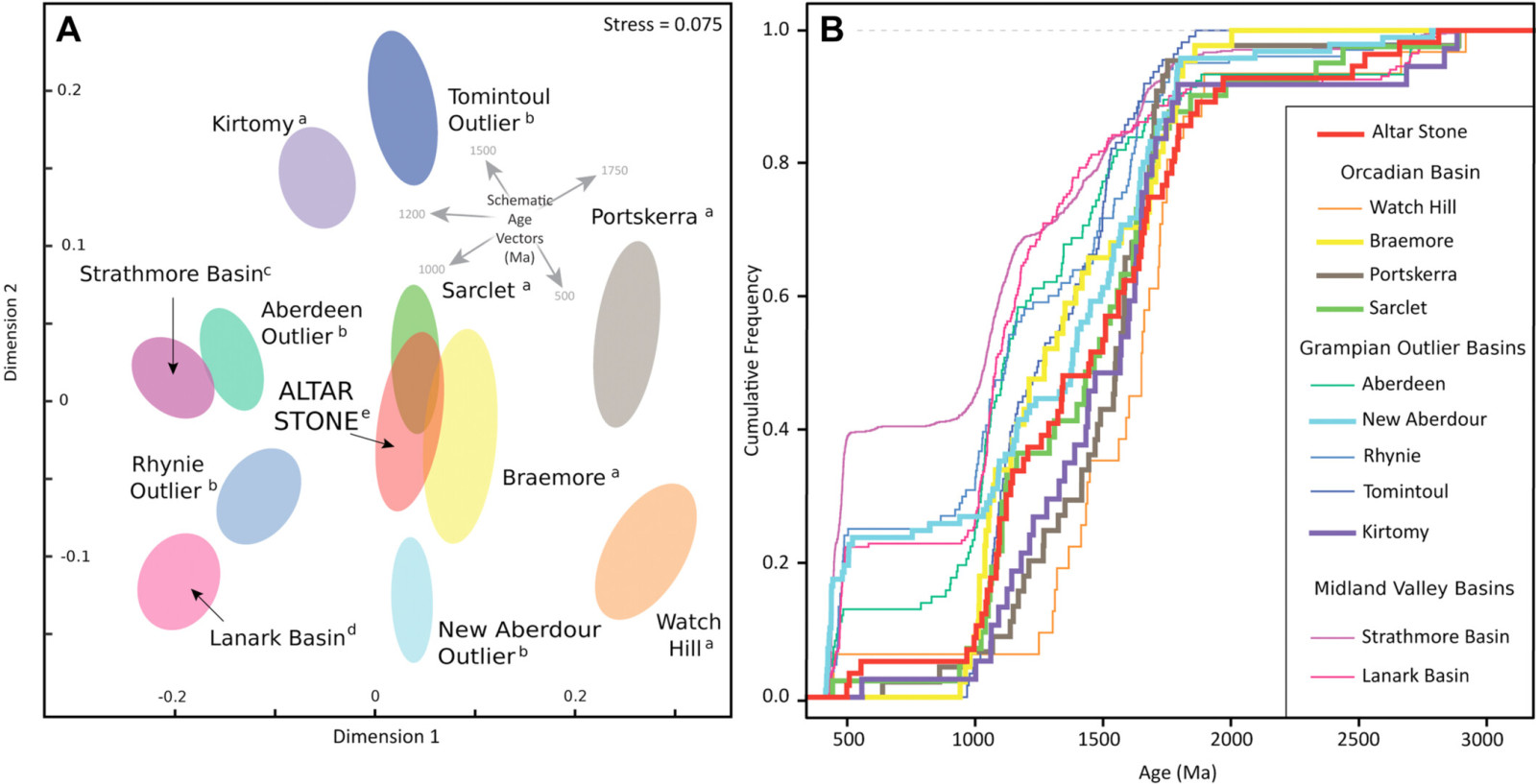
There has been debate over whether natural forces or humans relocated this massive stone. Anthony Clarke from Curtin University in Australia led chemical analyses revealing the stone’s sandstone matches formations from the Orcadian Basin in northeast Scotland.

“We can get an age and the chemical composition for each of those grains and build up a fingerprint, which we can then forensically compare to other rocks throughout the UK and Ireland.”
In research conducted in 2024, Clarke’s team closely examined the stone’s unique mineral profile, confirming its origin in the Orcadian Basin. Their evidence supports the conclusion that the monolith was moved nearly 750 kilometers across Britain by human hands.
Assessing the Glacial Transport Hypothesis
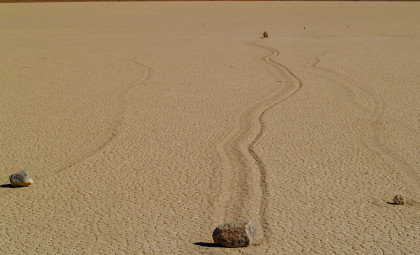
Prior to this chemical identification, some hypothesized that glaciers transported the altar stone during the last ice age. As detailed in the paper published in the Journal of Quaternary, the team used ice flow simulations and geological data to evaluate whether glaciers could account for its movement.
Clarke noted that most glacial ice from northeast Scotland moved northward, depositing rocks over areas like Dogger Bank, now submerged beneath the North Sea. If glacier transport had occurred, the stone’s human carriage trajectory could have been reduced by several hundred kilometers.
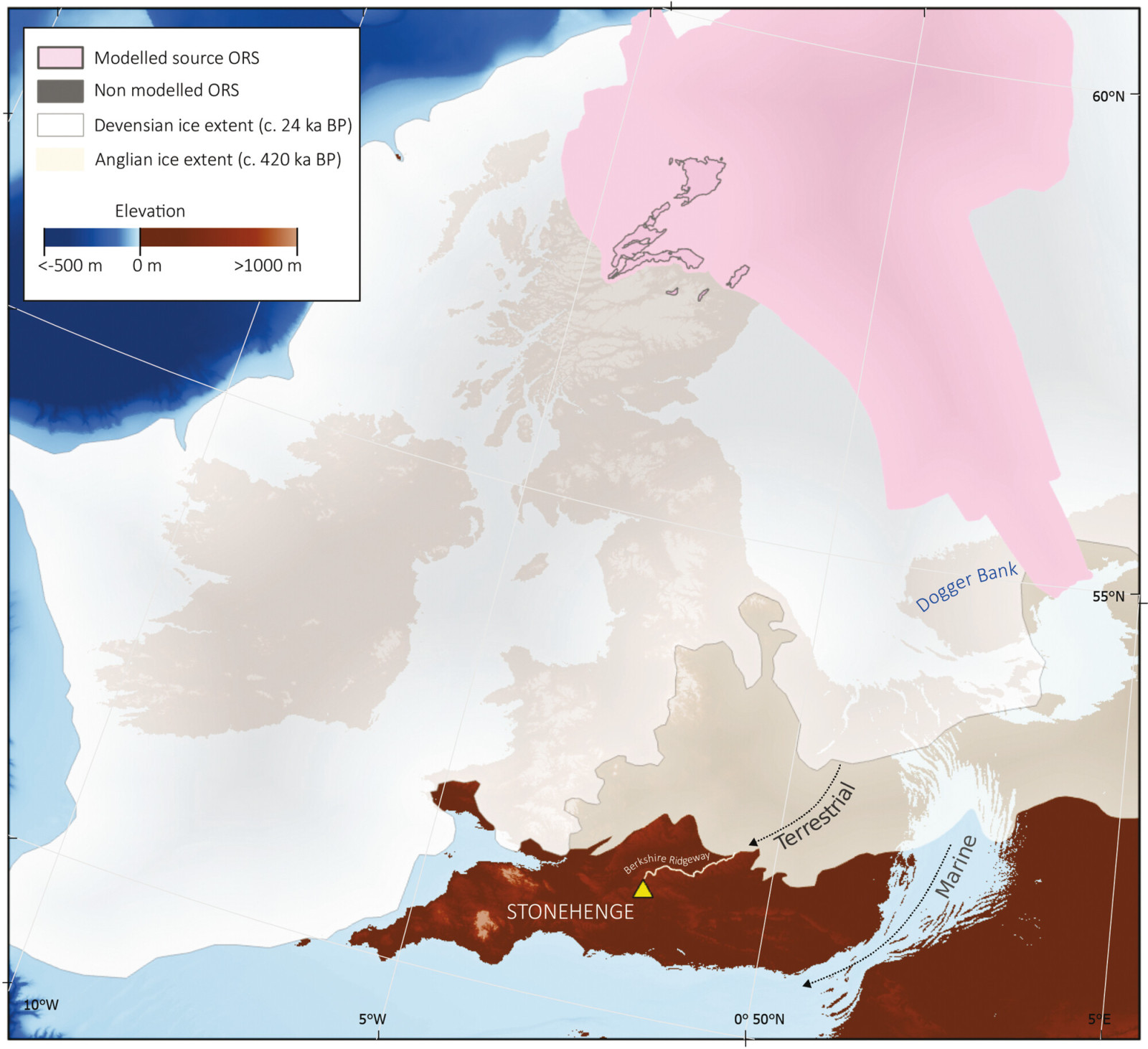
However, the timeline poses a challenge: Dogger Bank was submerged roughly 8,000 years ago, yet Stonehenge was constructed about 5,000 years ago.
The study concludes that glacial transport would require "an increasingly elaborate set of circumstances," making human movement the more plausible scenario.
Humans as Stone Transporters
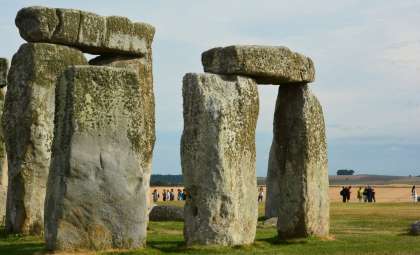
While shifting a six-ton stone over hundreds of kilometers seems daunting, Clarke points out that other stones at Stonehenge, weighing between 25 and 30 tons, were transported tens of kilometers by humans.
“These people that erected Stonehenge weren’t in any rush. This could have been much like the pyramids, a multi-year endeavor, so it doesn’t need to happen on our modern timescales of months,” explained Clarke.
One lingering question is why this specific sandstone was chosen. Clarke draws parallels to today’s material preferences.
“Why do we select marble from Italy for our kitchens? Why do we select certain gemstones to wear around our necks? Humans have always had a fascination with finding the right rock.”
The stone’s journey illustrates that Stonehenge’s construction involved intentional decisions and symbolism, not just the physical act of moving stones. Future studies may even locate the exact quarry in northeast Scotland where this altar stone originated.
- Categories:
- Science



0 comments
Sign in to Comment