
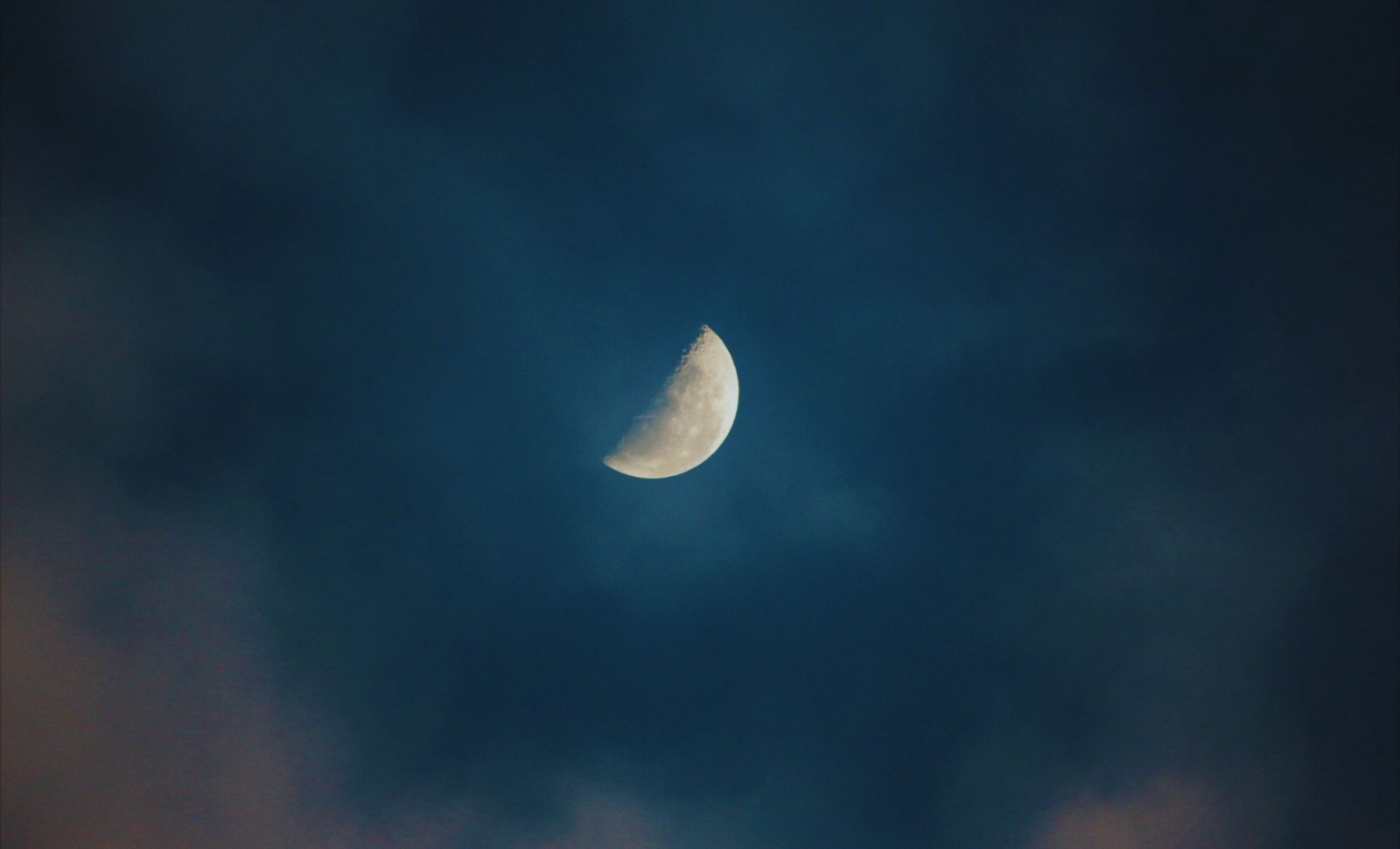
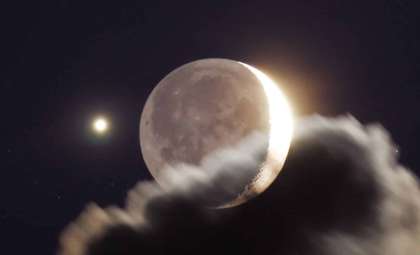
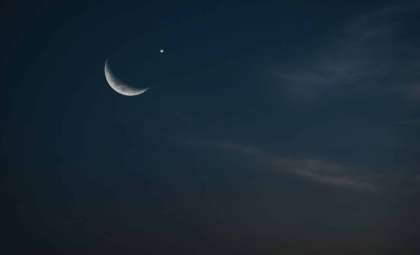
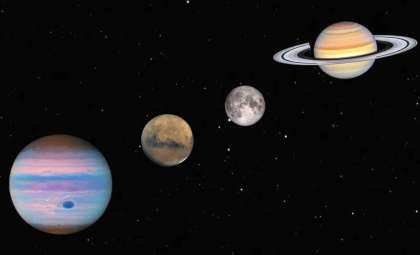
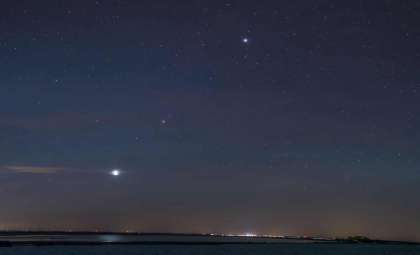
On November 27, a striking celestial event captivated skywatchers as the half-illuminated Moon aligned with the constellation Aquarius, accompanied by the bright presence of Saturn. This spectacle took place shortly after sunset when Earth’s natural satellite reached its first quarter phase, creating a luminous contrast against the twilight landscape.
This remarkable conjunction was easily visible to the naked eye, requiring no specialized instruments—just clear southwestern skies and a bit of patience to witness the show.
Distinct Lunar Features Revealed by Shadow Play
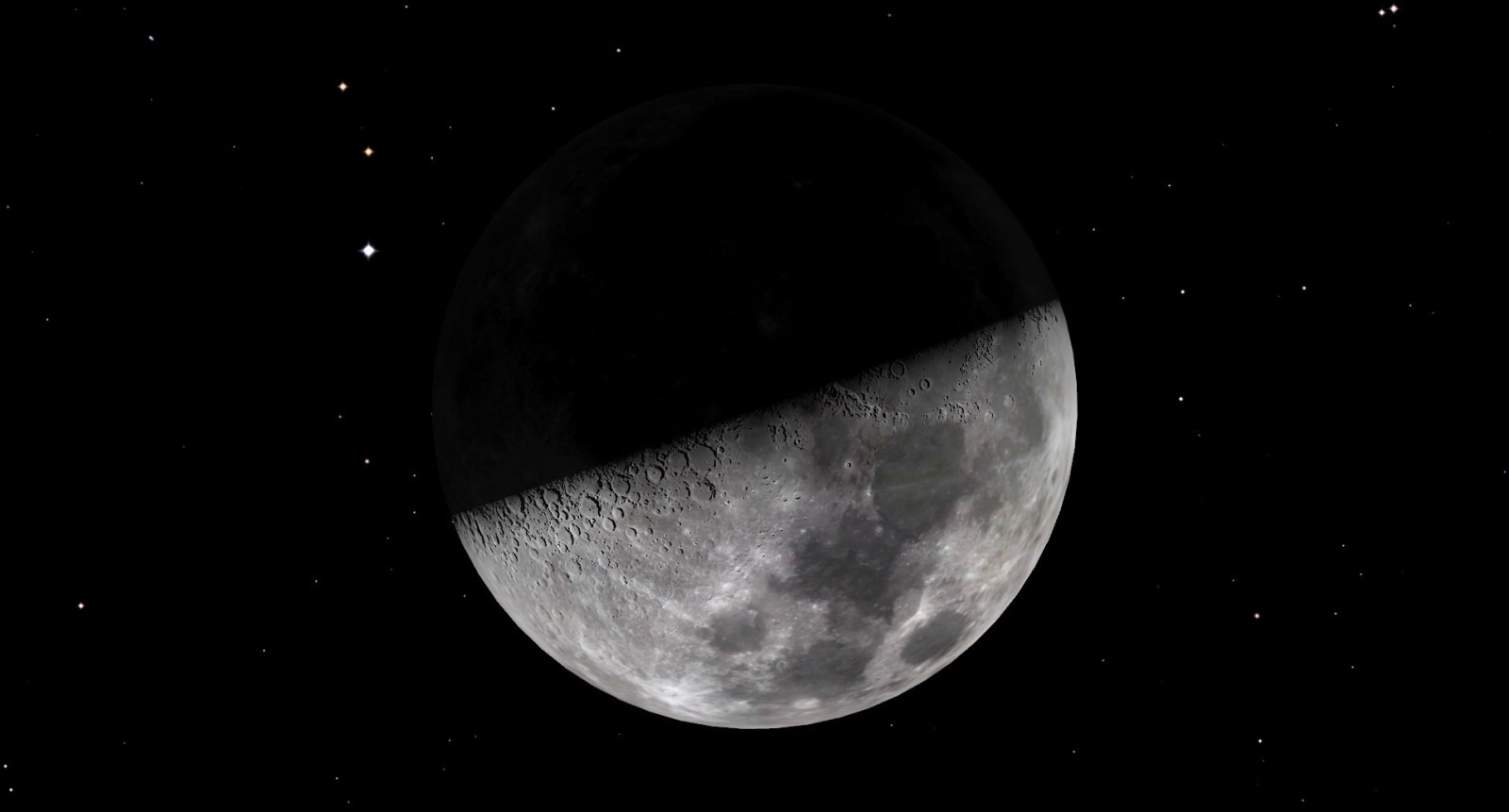
During this event, the lunar terminator—the boundary delineating day and night on the Moon—offered a stunning reveal of craters and ridges. According to Space.com, this zone presented optimal lighting for observing intricate details along the Moon’s lower hemisphere. With the aid of basic 10×50 binoculars or a simple telescope, enthusiasts could explore the depth and texture of the lunar surface as shadows accentuated elevations and depressions.

Observers could also identify the lunar maria, the expansive, darker plains dubbed "seas." These basaltic formations are remnants of ancient lava flows that filled enormous impact craters billions of years ago. Their darker tone provided a striking backdrop against the brighter highlands, creating a texture readily noticeable to the naked eye when conditions were clear.
The Graceful Presence of Saturn’s Rings
Enhancing the lunar vista was the appearance of Saturn, shining prominently just above the Moon’s position in the early evening sky. Despite its vast distance, the gas giant shone brightly, positioned near the stars of Pisces, making it an accessible target for unaided viewers, as noted in the same report.
Through telescopes, Saturn’s iconic ring system was visible, currently oriented edge-on from our perspective on Earth. This alignment causes the rings to appear as a slender line, adding a subtle, yet distinctive layer to the nighttime viewing experience.
Ideal Conditions for Casual Stargazing
The timing of the alignment, immediately after sunset, provided favorable conditions for a broad audience. With the sky darkening and both the Moon and Saturn positioned well above the horizon, observers from urban areas and countryside alike had several hours to enjoy the spectacle before these celestial bodies dipped below the horizon.
While such planetary alignments are common in astronomy, their accessibility in terms of time and viewing requirements makes these opportunities particularly engaging. Unlike high-profile events demanding early risers or expensive equipment, this display invited everyone to simply step outside and look up.
- Categories:
- News




0 comments
Sign in to Comment