
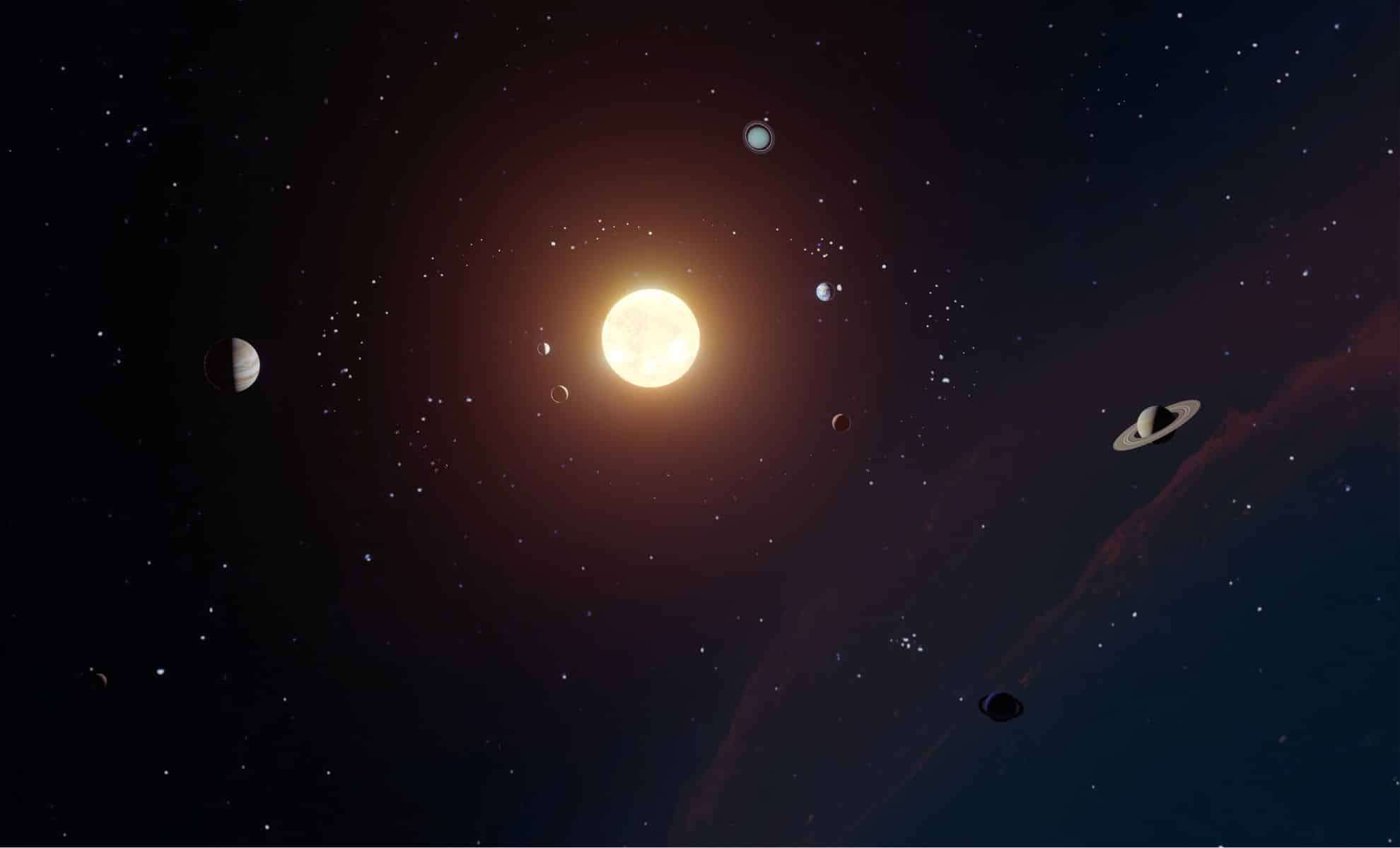
This weekend promises an extraordinary celestial showcase, featuring a rare planetary lineup, a total lunar eclipse, and a possible aurora borealis display visible across certain U.S. regions, says Forbes. In a tight timeframe of just two days, astronomy enthusiasts can witness an exceptional overlap of sky events unlikely to recur anytime soon.
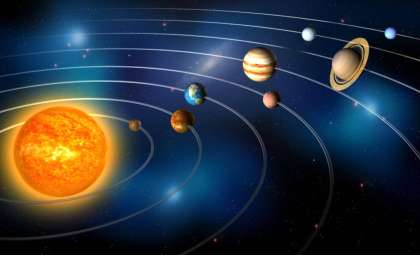
Celestial Parade: Five Planets Line Up Before Dawn
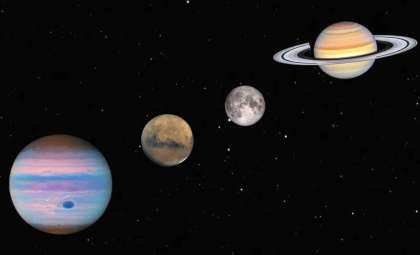
Starting about two hours before daybreak, a planet parade will unfold in the sky, where five planets become visible together—a spectacle best seen from Earth’s perspective. Venus, Jupiter, Saturn, Neptune, and Uranus compose this cosmic gathering, though the last two require optical aid to observe. Venus and Jupiter shine brightly near the eastern and southeastern horizons, while Saturn, faint but observable to the unaided eye, rests low in the southwestern sky.
Jupiter’s position close to the Gemini constellation’s twin stars, Castor and Pollux, offers helpful markers for viewers. The easily recognizable Orion constellation, marked by its three-star belt—Alnitak, Alnilam, and Mintaka—points toward Sirius, the brightest star visible to the naked eye at just 8.6 light-years from Earth.

With binoculars or a small telescope, observers might catch glimpses of Uranus in Taurus and Neptune in Pisces, both on the edge of naked-eye visibility. This alignment will persist for several weeks but starts to fade, making this the last such planetary parade until October 2028.
Optimal Viewing Period for Distant Giants Neptune and Uranus
While Venus, Jupiter, and Saturn dominate visibility, the gas giants Uranus and Neptune demand clearer skies and optical assistance. Both planets are nearing their annual oppositions, special moments when Earth lies directly between them and the Sun, maximizing their brightness and apparent closeness.
Neptune will reach opposition on September 23, 2025, providing the year's best viewing opportunity, positioned currently in Pisces beside Saturn’s location in Aquarius. Uranus’s opposition is slated for November 21, 2025, drifting within Taurus, separate from the cluster. Though Neptune and Uranus are not strikingly visible this weekend, this period is ideal for familiarizing oneself with their positions for later observation.
Aurora Alert: Northern Lights Visible in 15 U.S. States
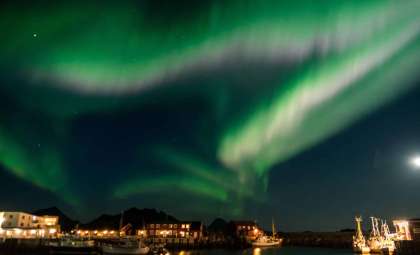
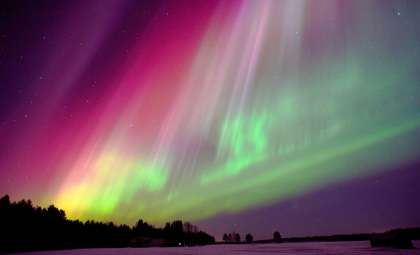
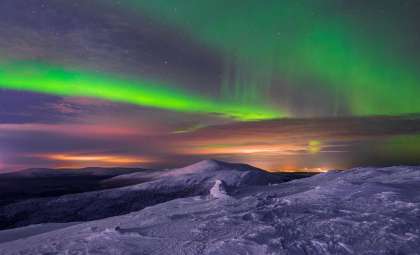
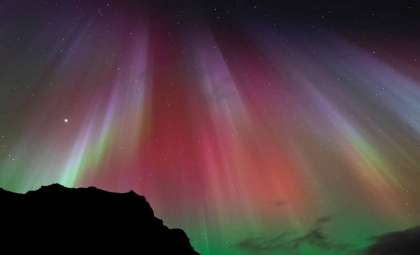
The weekend’s skywatching experience is heightened by a Northern Lights advisory issued by the National Oceanic and Atmospheric Administration (NOAA). On the evening of Friday, September 5, 2025, a geomagnetic storm is expected to brighten the aurora borealis across 15 states, possibly extending into Saturday night.
Auroras result from solar wind particles interacting with Earth’s magnetic shield, usually confined to northernmost latitudes. This event, however, could send shimmering waves of green and red light as far south as the Midwest and Northeastern United States, contingent on the solar wind’s intensity and angle. For many in the U.S., this may offer the most impressive auroral views since a major storm earlier in the year.
Best visibility calls for dark skies, minimal urban lighting, and clear atmospheric conditions. Although the aurora’s behavior can be unpredictable, this forecast signals a prime chance for many to experience the spectacle this year.
Full Corn Moon Emerges After Blood Moon Eclipse
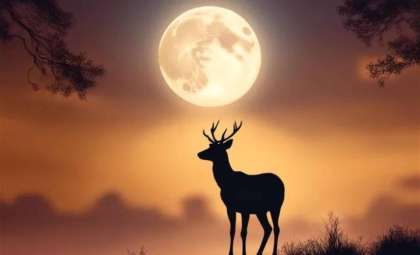
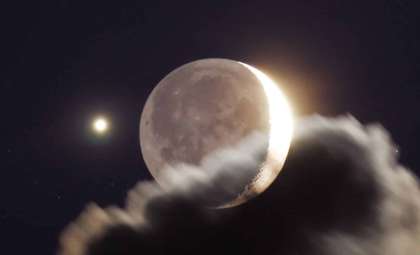
On the night of Sunday, September 7, 2025, the full Corn Moon will rise, signaling the last major lunar phase before the autumnal equinox. While North American viewers will see a typical full moon, observers in other parts of the world will have recently witnessed an 86-minute-long total lunar eclipse, known as a Blood Moon.
Even though the eclipse won’t be visible from North America, the moon may exhibit a subtle reddish glow as it rises at dusk. This phenomenon happens when Earth’s shadow casts a red tint on the lunar surface by bending sunlight around its atmosphere.
Looking ahead, a partial solar eclipse is scheduled for September 22, 2025, viewable from locations including Antarctica, New Zealand, and the western South Pacific—adding to a month rich with celestial highlights.
How to Experience the Weekend’s Celestial Events
To catch the planet parade, step outside between 90 and 120 minutes before sunrise, focusing on the eastern and southeastern skies for Venus and Jupiter. Apps like Stellarium or other sky mapping tools can help locate Uranus and Neptune. The twilight hours before sunrise provide optimal conditions for identifying these worlds away from sunlight interference.
In the evening, keep an eye on NOAA’s aurora forecast updates and choose viewing spots with clear, dark skies—ideally away from city lights—to maximize chances of seeing the northern lights. Finally, don’t miss the full Corn Moon rising at dusk on Sunday night.
With these elements aligning both literally and figuratively, the weekend is set for a memorable cosmic spectacle.
- Categories:
- News




0 comments
Sign in to Comment