
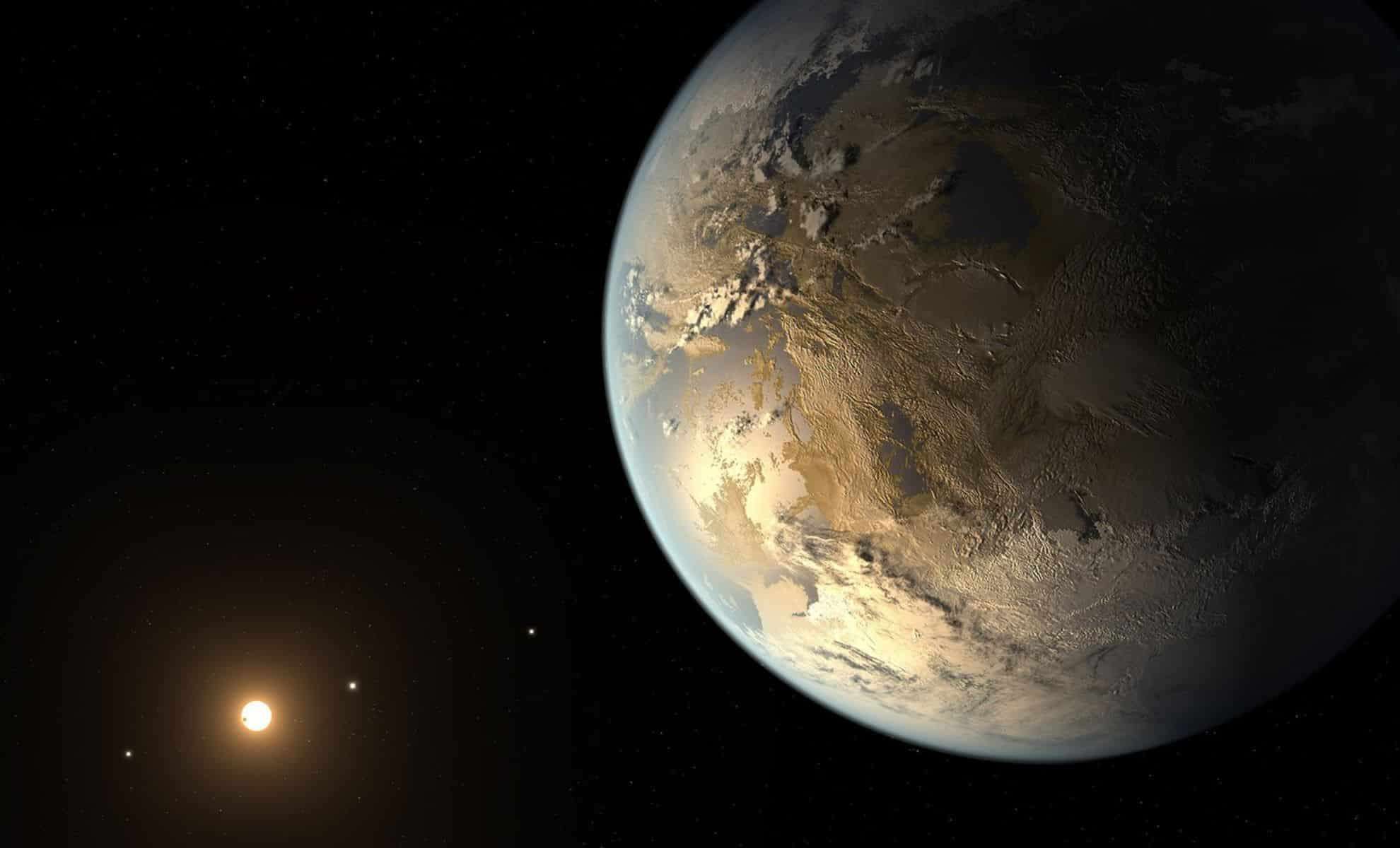
The quest to discover life beyond our planet remains one of the most enthralling endeavors in modern science. Thanks to the identification of numerous exoplanets, researchers are intensifying efforts to locate distinct biosignatures—chemical signs in planetary atmospheres that might indicate biological activity.
Recent research conducted at the University of California, Riverside (UCR) highlights methyl halides as a promising biosignature. These molecules consist of one carbon atom bonded to three hydrogen atoms and a halogen, and on Earth, they are produced naturally by organisms like bacteria, algae, fungi, and select plants. Importantly, they are not known to be generated through non-biological (abiotic) means.
This characteristic makes methyl halides an enticing target in astrobiology. Yet, a considerable barrier remains: current instruments, including the James Webb Space Telescope (JWST), lack the sensitivity required to observe these gases in the atmospheres of Earth-sized exoplanets. However, scientists propose that a different type of world—Hycean planets—might offer a viable alternative.

The Significance of Methyl Halides in the Search for Life
Scientists aim to detect molecules linked predominantly to living organisms when searching for alien life forms. While oxygen, methane, and water vapor have long been considered potential indicators, these substances can also arise from non-living chemical or geological activity.
Methyl halides stand apart in this regard. These gases are emitted by biological processes on Earth and have no known abiotic production pathways. Consequently, their presence in an exoplanet's atmosphere would be a compelling hint of life.
"Detecting biosignatures on Earth-like rocky planets is hindered by atmospheric interference and current telescope limits," notes Eddie Schwieterman, an astrobiologist at UCR. "Hycean planets, however, may provide a clearer detection window."
The research points to Hycean planets—oceans worlds rich in water and circling red dwarf stars—as likely environments where methyl halides could build up to detectable levels.
Current Obstacles to Biosignature Detection
Despite the strides made with the James Webb Space Telescope (JWST) in studying exoplanet atmospheres, detecting methyl halides remains elusive.
- Planetary Scale: JWST struggles to directly observe small, Earth-sized planets due to their faintness and size, though it performs better with larger gas giants.
- Concentration Limits: Even if methyl halides are present, their abundance might be beneath JWST's detection threshold.
- Stellar Activity: Red dwarf stars emit significant radiation and atmospheric disturbances that can complicate biosignature identification.
To overcome these hurdles, Schwieterman’s team suggests focusing on Hycean planets with thick hydrogen atmospheres orbiting less active red dwarfs, potentially improving chances for meaningful detections.
Hycean Worlds: A Promising Frontier in Alien Life Research
Hycean planets represent a recently recognized class of exoplanets that could be especially conducive to microbial life. Characteristics include:
- Larger than Earth yet smaller than typical gas giants
- Global oceans that might mirror conditions of Earth's early history
- Dense hydrogen atmospheres capable of trapping biosignature gases like methyl halides
The substantial hydrogen envelopes of Hycean planets may enable methyl halides to accumulate in concentrations higher than those on Earth-like planets, enhancing detectability with JWST and upcoming observatories.
Should life be present on these ocean worlds, methyl halides might become one of the earliest biosignatures identified beyond our solar system.
- Categories:
- News





0 comments
Sign in to Comment