
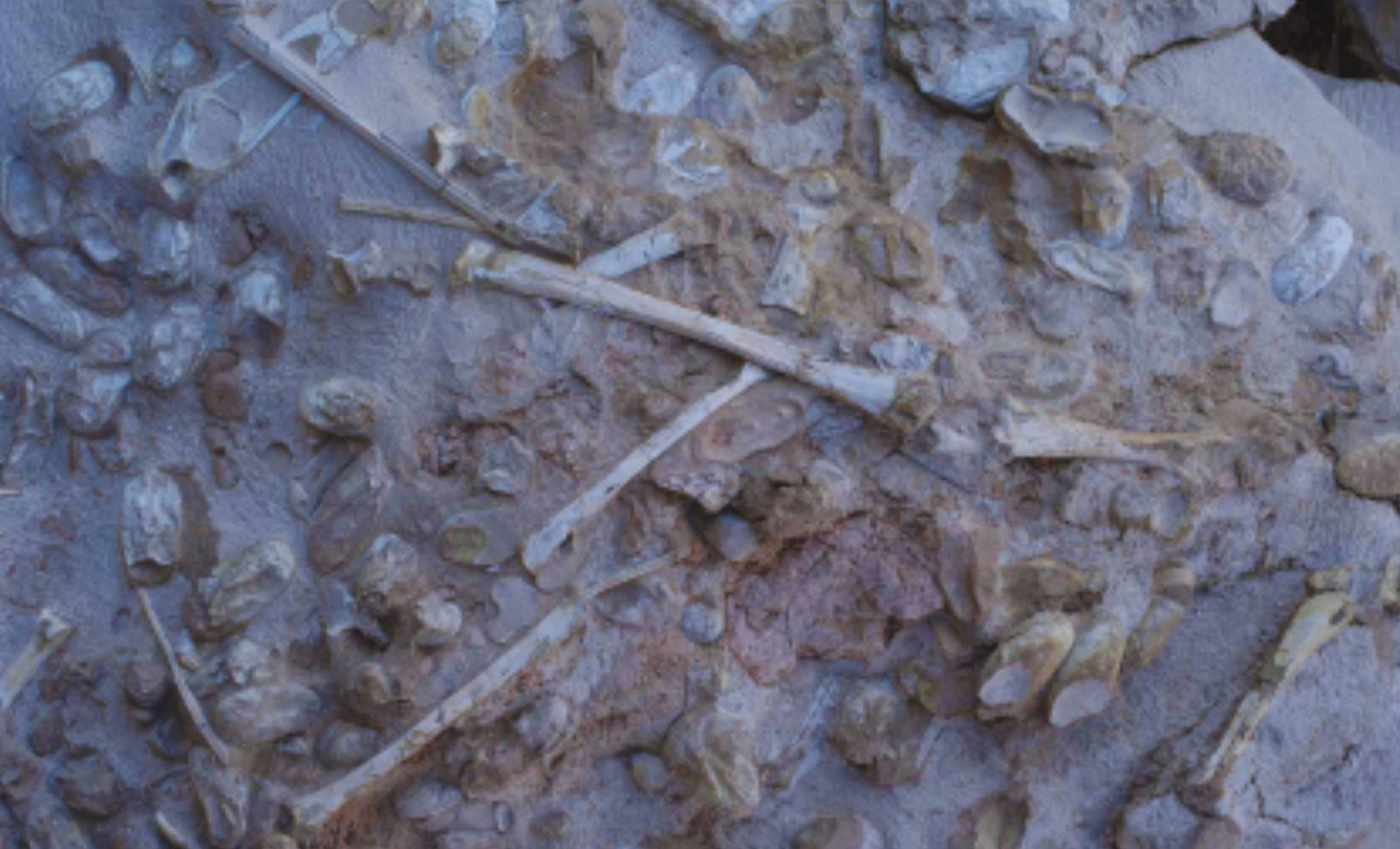
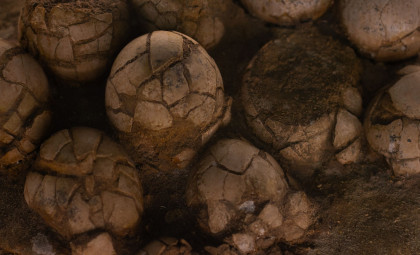
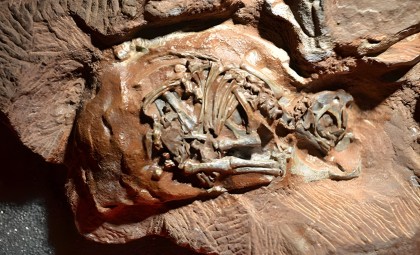
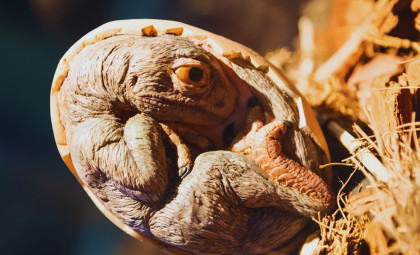
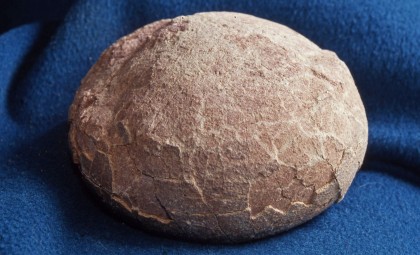
Researchers have uncovered a remarkable collection of more than 200 fossilized eggs from the flying reptile Hamipterus tianshanensis in northwestern China. Among these, at least 16 contain partially preserved embryos, with some exhibiting a remarkable three-dimensional form.
This discovery, detailed in Science, represents one of the most extensive assemblages of pterosaur eggs ever found. Led by Xiaolin Wang of the Chinese Academy of Sciences, the team dated these eggs to approximately 120 million years ago during the early Cretaceous era.
Until now, the reproductive habits of pterosaurs remained largely elusive, with only a few eggs having been identified globally—five from the same Chinese locality and two from Argentina, where one contained a flattened yet well-preserved embryo. This new find significantly expands the dataset, shifting research beyond isolated specimens.

Massive Sandstone Block Yields 215 Eggs
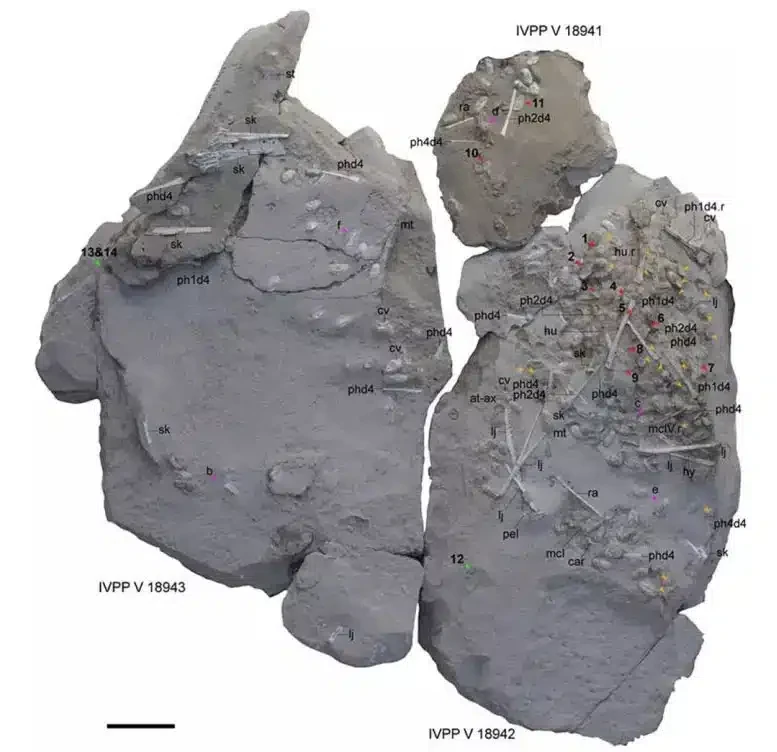
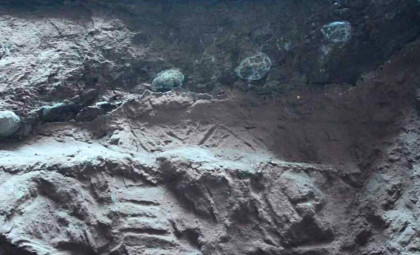
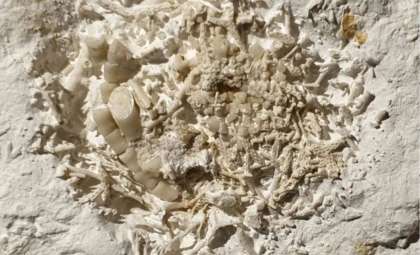
The eggs were extracted from a sandstone slab spanning roughly three square meters. As reported in Science, the discovery includes a minimum of 215 eggs all attributed to Hamipterus tianshanensis, a species that inhabited present-day Xinjiang, China.
“The specimens can be attributed to Hamipterus tianshanensis, the sole species in this bonebed. The most important section is a sandstone block (3.28 m²) that yielded 215 eggs, but up to 300 may be present, because several more appear to be buried under the exposed ones,” said Xiaolin Wang.
Previous work at this site had only found five eggs, as reported in Science News. The recent excavation greatly enhances the known sample. At least 16 eggs were confirmed to contain partial embryos, some retaining their three-dimensional structure rather than being flattened.
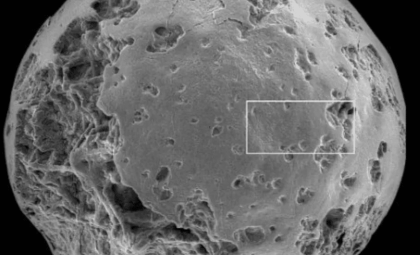
This level of preservation is exceptional. Pterosaur eggs had thin, soft shells more akin to those of modern lizards, unlike the hard-shelled eggs of dinosaurs or birds. This fragile nature often caused deformation during fossilization, explaining the rarity of intact embryos.
Flood Deposits Enabled Rapid Burial and Preservation
The eggs were not discovered in their original nesting configuration. Alexander Kellner of the Museu Nacional/Universidade Federal do Rio de Janeiro, a co-author, explains the eggs appear jumbled and distorted after being transported by floodwaters during a severe storm.
Rapid sediment burial, facilitated by these floodwaters, was essential to protect the delicate shells from decay. Kellner notes that the sandstone matrix indicates an energetic event capable of moving and concentrating the clutch.
Embryological Evidence Points to Ground Mobility Before Flight
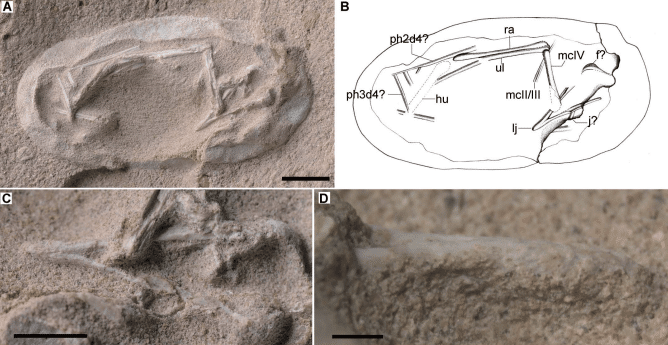
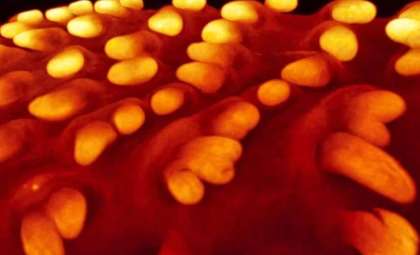
Using computerized tomography scans, scientists explored the contents of the eggs nondestructively. Two of the most well-preserved embryos unveiled critical anatomical insights.
The deltopectoral crest, important for attaching flight muscles, was underdeveloped even in embryos thought to be close to hatching. Meanwhile, the femur appeared fully formed. The researchers concluded that:
“computed tomography scanning, osteohistology, and micropreparation reveal that some bones lack extensive ossification in potentially late-term embryos, suggesting that hatchlings might have been flightless and less precocious than previously assumed.”
This interpretation has been met with some caution. D. Charles Deeming of the University of Lincoln, not connected to the study, noted in a column in the same journal issue that reliably identifying near-term embryos remains challenging, warning of “a real danger of overinterpretation.”
Nonetheless, the extensive collection provides new opportunities to examine variability in size and morphology across hundreds of specimens.
- Categories:
- Science


0 comments
Sign in to Comment