
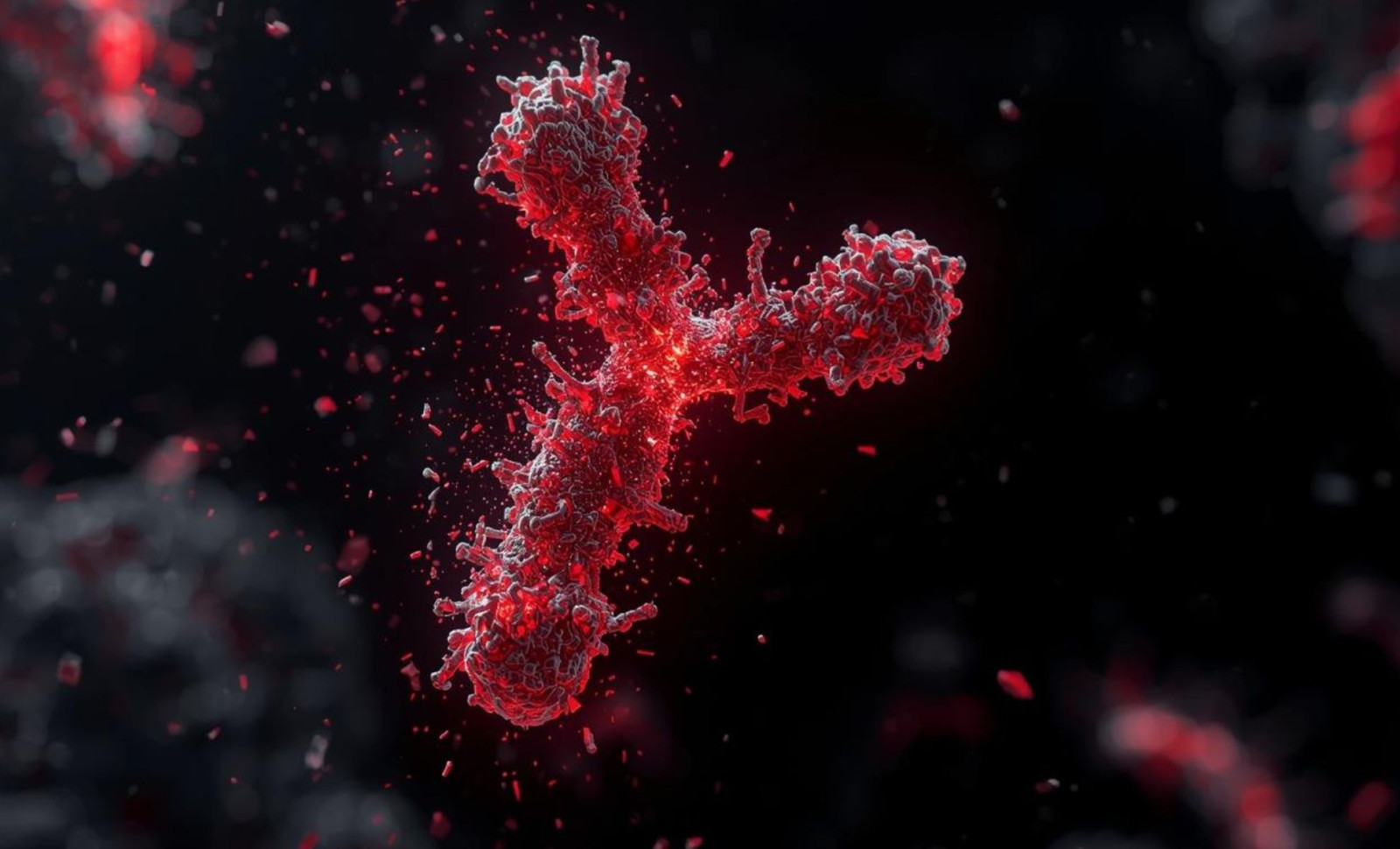
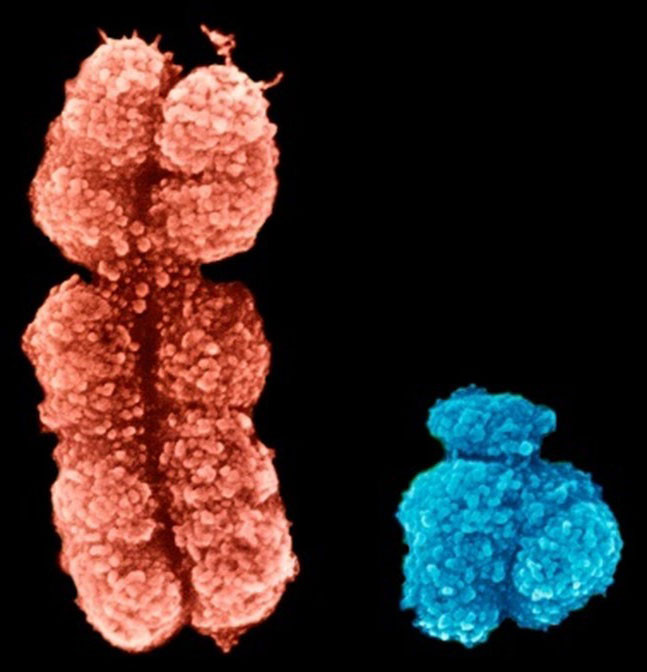
The essential role of the Y chromosome in mammalian biology is being reconsidered as research shows its gradual loss in certain species. Though it has dictated male traits for more than 160 million years, this chromosome is now undergoing irreversible evolutionary decline. In many species, losing the Y chromosome leads to the halt of male reproduction and eventual population collapse.
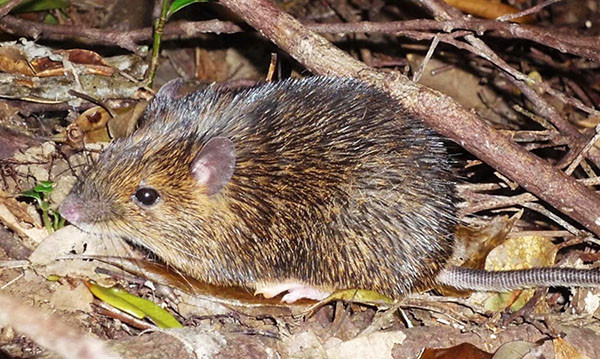
Remarkably, a unique rodent from the Japanese island of Amami Ōshima has completely lost the Y chromosome but continues to produce male offspring. This evolutionary adaptation reveals that the key genetic switch for male sex determination can shift from the fading chromosome to a more stable location, enabling species survival. This finding contradicts the previous assumption that the degeneration of the male-specific chromosome inevitably results in extinction.
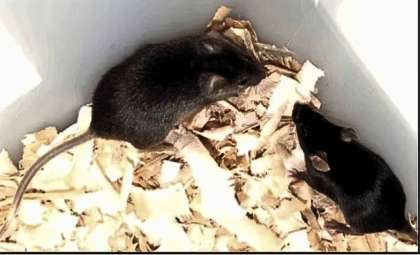
Researchers at Hokkaido University recently unveiled genetic evidence supporting a novel sex-determining mechanism in these rodents. Led by Professor Asato Kuroiwa and reported in the Proceedings of the National Academy of Sciences, the study focused on the endangered Amami spiny rat (Tokudaia osimensis), which lacks the conventional SRY gene responsible for male development. Instead, scientists identified a 17,000-base-pair duplicated sequence on chromosome 3 that now functions as the main trigger for maleness.

Examination of SOX9 Gene Regulation
The human Y chromosome has dramatically diminished over time, retaining only 55 of its original 1,438 genes shared with the X chromosome. At current rates of gene loss, it may vanish completely within about 4.6 million years. The Amami spiny rat exemplifies this process. According to the 2022 study, the 17,000-base-pair duplication is present only in males, absent in females entirely.
Detailed analysis shows this duplicated segment functions as an enhancer for the SOX9 gene, critical for testicle formation. Normally, SRY initiates SOX9 activation in mammals. In the Amami spiny rat, this chromosomal duplication independently stimulates SOX9 expression, enabling male development despite the lack of the traditional Y chromosome.
This genetic shift represents a genome “turnover,” where essential biological roles relocate to new regions. A Nature paper dated January 14, 2025, suggests similar evolutionary pressures are active in various other mammals. The team at Hokkaido confirmed this mechanism has operated stably for nearly 2 million years, implying a long-term evolutionary solution.
Professor Kuroiwa summarized the implications: “The Y chromosome is vanishing, but males are not disappearing.” This is further supported by the presence of the mole vole, which has endured the loss of the Y chromosome through an alternative, yet unidentified, genetic mechanism.
Avoiding the Genetic Decay Trap
The deterioration of the Y chromosome is driven by its inability to undergo recombination during meiosis, preventing repair of DNA damage. This leads to mutation accumulation and gene loss. A 2023 Cell study highlights that by relocating male sex determination to an autosome, the Amami spiny rat preserves this function in a chromosome subject to regular repair.
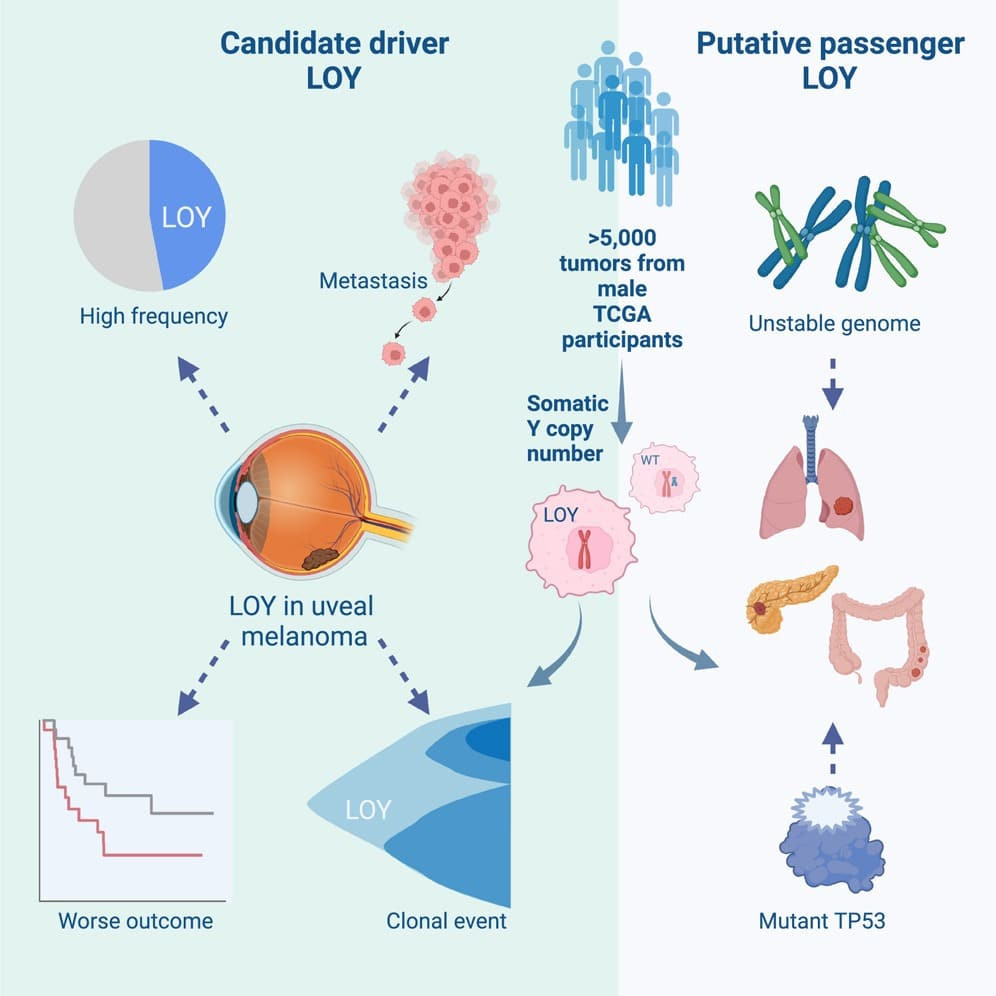
This transition faces significant biological challenges. Most mammals possess two X chromosomes in females (XX) and one X plus one Y in males (XY). The Amami spiny rat, however, has evolved an XO/XO system, where both sexes have a single X chromosome. Data from the NIH show this system avoids fatal gene dosage imbalances typically caused by missing or damaged sex chromosomes.
Utilizing long-read genome sequencing, researchers confirmed the 17,000-base-pair duplicated DNA lies upstream of the SOX9 gene, positioning it to influence gene activation. This suggests the genetic program specifying maleness can operate independently of the Y chromosome’s physical location if the genetic regulatory elements evolve accordingly.
Varied Evolutionary Solutions to Y Chromosome Loss
Findings are compared with data on the Transcaucasian mole vole (Ellobius lutescens), which unlike the Amami spiny rat, does not exhibit the SOX9 duplication. Initial genome studies indicate it may rely on modified versions of Sox3 or DMRT1 genes. These differences reveal mammals may harbor multiple backup genetic paths to maintain sex determination under intense evolutionary pressures.
Some limitations remain due to the endangered status of the Amami spiny rat, restricting tissue sample availability. It is unclear if the 17,000-base-pair duplication alone governs sex determination or if additional genetic factors play supporting roles. The species’ thriving in an XO/XO system also raises questions about its durability and genomic stability long-term.
This research overturns the previously held view that Y chromosome loss inevitably leads to extinction. Instead, it shows that sexual differentiation can be preserved via autosomal regulation. Moving this fundamental genetic role safeguards the male-determining mechanism from the mutational decline that defines the Y chromosome’s evolutionary history. The Amami spiny rat exemplifies how mammalian reproduction can persist beyond the era of a functional Y chromosome.
- Categories:
- Science











0 comments
Sign in to Comment