
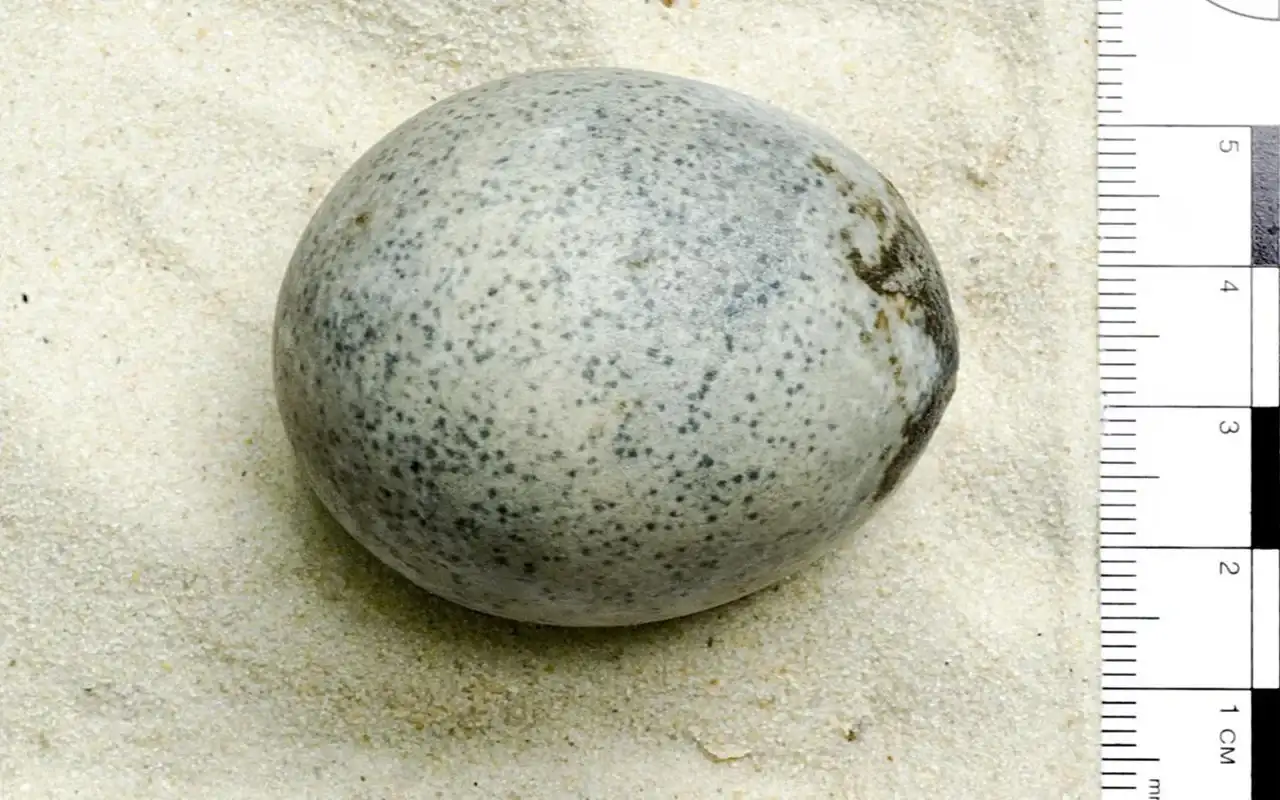
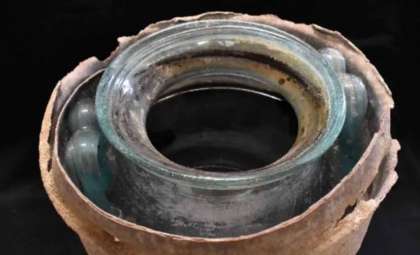
During a significant archaeological dig in Aylesbury, England, led by Oxford Archaeology, scientists uncovered a Roman-era egg that has astonishingly preserved its liquid contents even after 1,700 years. This extraordinary find, referred to as the Aylesbury egg, is thought to be the only specimen of its kind known worldwide.
Preserved Liquid Found Inside a Delicate Shell
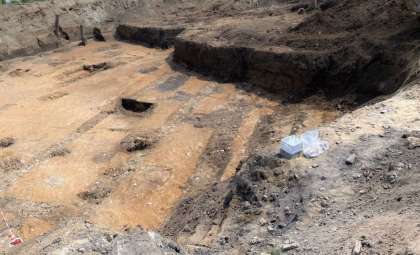
Discovered alongside artifacts such as pottery, leather footwear, and animal bones, the egg initially caught attention just for being whole. Oxford Archaeology’s Edward Biddulph explained that intact eggs are extremely rare finds: “we frequently uncover fragments, but rarely an entire egg.” Of the four eggs carefully removed, three ruptured, releasing a potent sulfur smell, leaving only one completely intact.
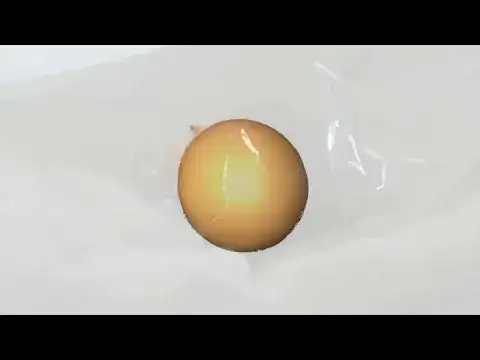
When Dana Goodburn-Brown, a materials scientist and conservation specialist, suggested conducting a micro-CT scan, the results exceeded expectations. Performed at the University of Kent, the scan revealed the egg still contained liquid, presumably a combination of yolk and egg white. Biddulph commented:

“The egg turned out to be even more amazing. It still contained its liquid, the yolk and the white.” According to The Guardian, the yolk and albumen had apparently fused over time.
An Extraordinary Example of Natural Preservation
This egg’s significance lies in its spontaneous conservation. Unlike specimens preserved through intentional drying found in dry climates, this egg was discovered in a pit used for malting and brewing near what was once a Roman road. The moist, oxygen-poor environment likely inhibited decomposition of the inner contents.
Biddulph described the site as “a wet area,” noting that a woven basket found nearby, possibly for bread, suggested ritual use. The egg and adjacent artifacts might have been offered for religious or fertility-related purposes. As detailed by Archaeology News Online Magazine, this 1,700-year-old relic is likely the only intact specimen from Roman Britain still containing liquid and could be the oldest of its kind worldwide.
Preserving a Fragile Treasure from Roman Times
The egg is presently housed at the Natural History Museum in London, where specialists are carefully determining the best conservation methods. Douglas Russell, senior curator of eggs and nests, noted that though older eggs with internal content exist, this might be the oldest naturally preserved example. He hopes a minute opening might be made to retrieve the liquid without damaging the fragile shell.
Goodburn-Brown described the find as “one of the coolest and most challenging archaeological finds to investigate and conserve,” calling her temporary role caretaker a highlight of her four-decade-long career. The artifact is also exhibited at Discover Bucks Museum, where further studies might reveal insights about the hen that produced it and Roman-era life in Britain.
- Categories:
- News









0 comments
Sign in to Comment