
A small, unfinished clay figure retrieved from the depths of Lake Bolsena in Italy offers a remarkable connection to its maker from nearly three millennia ago. Dating back to the 10th or 9th century BC, this tiny artifact still bears the original fingerprints impressed onto its surface by the ancient artist who molded it.
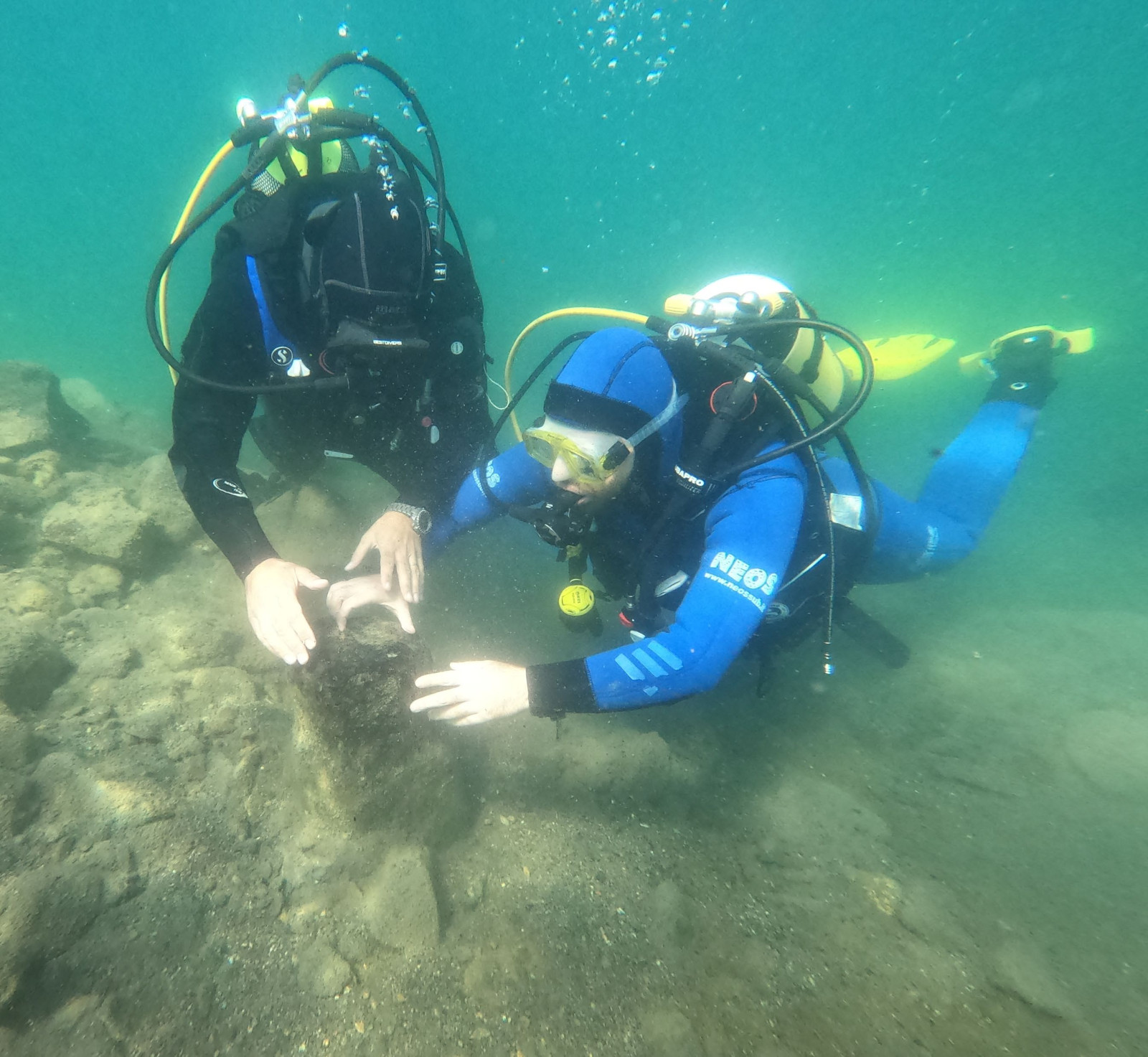
The discovery took place in 2024 at Gran Carro di Bolsena, an underwater archaeological location in central Italy. While modest in size and seemingly incomplete, the figurine stands out as one of the site’s most fascinating finds due to the human imprints it preserves.
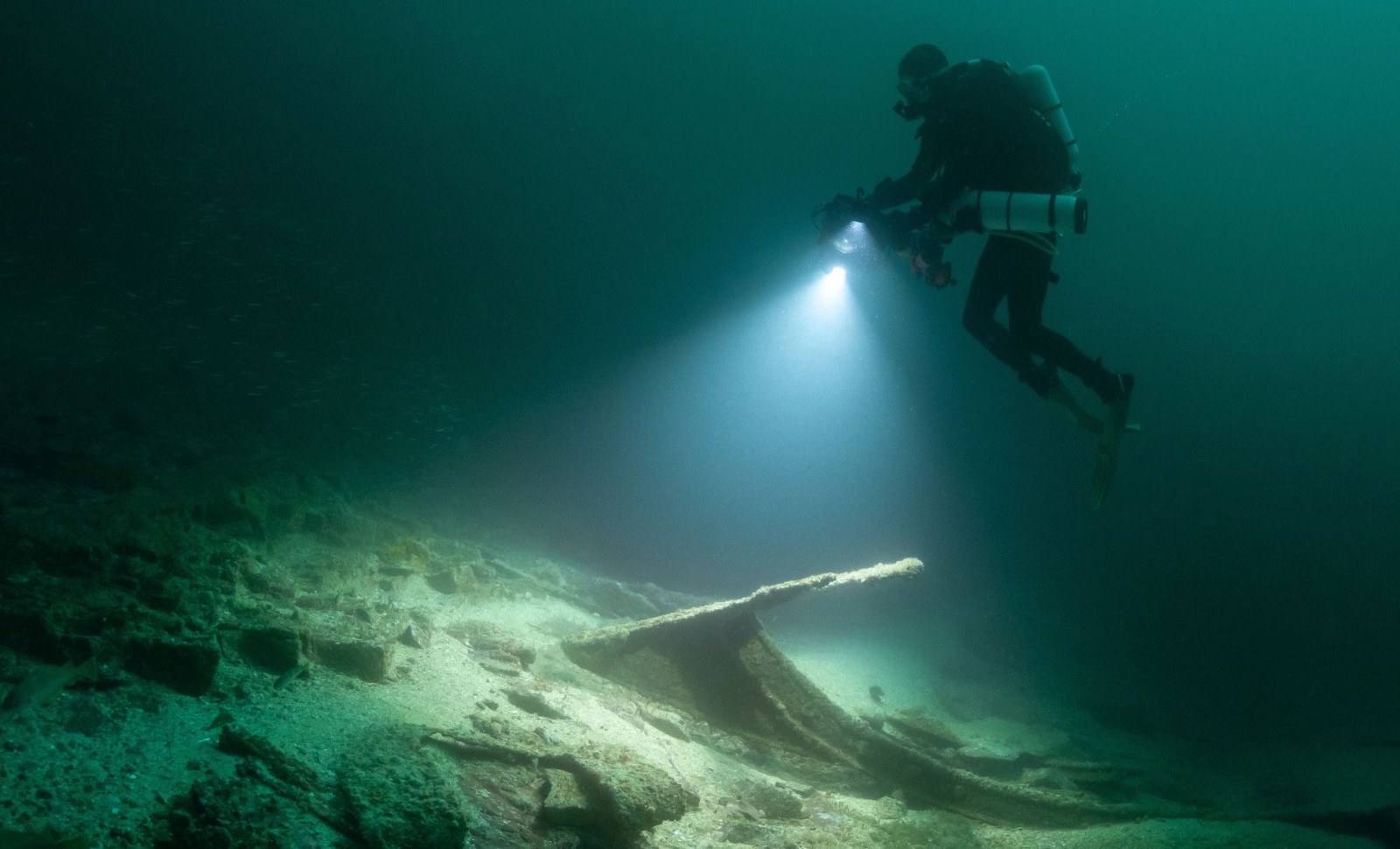
Gran Carro contains remnants of various settlements, ritual sites, and subsequent habitation layers from different eras. Ongoing excavations continue to shed light on the lives of those who lived along the lake’s shores long ago.

A Glimpse into the Hands of an Ancient Artisan
Shaped in the form of a woman and approximately the size of a palm, the figure’s significance lies less in artistic refinement and more in its incomplete form. It appears to be a piece left unfinished rather than a finalized artifact.
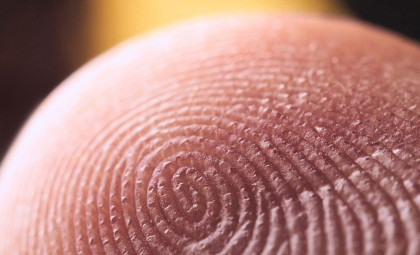
According to Italy’s Superintendency of Archaeology, Fine Arts, and Landscape, the clay surface retains the fingerprints of the individual who crafted it almost 3,000 years ago. This subtle but powerful detail forges an extraordinary personal link between today’s researchers and an individual from the distant past.
Additional evidence comes from an imprint below the figurine’s chest, which suggests that it may have once been clothed. Though the fabric has long since vanished, its textured pattern remains embedded in the clay, as reported by the Italian heritage authorities.
Enigmatic Object with Multiple Possible Functions
The exact role of this figurine remains a mystery. Archaeologists propose several interpretations, but none can be definitively proven with the current findings. While similar figurines often appear in burial contexts, this one was found in an area thought to be residential, complicating efforts to understand its purpose.
Experts consider that it could have played a role in household rituals or functioned as a votive symbol. Alternatively, the figurine might have been abandoned mid-creation, left unfinished and set aside.
The handmade piece’s rough and incomplete look supports this latter scenario. Unlike the carefully crafted ceremonial objects, this figure appears as if work on it ceased abruptly. For now, archaeologists can only speculate about its original intent.
Part of One of Italy’s Most Distinctive Submerged Archaeological Areas
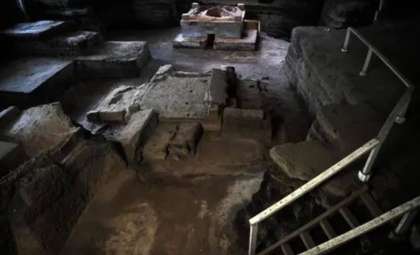
Found in the Aiola section of Gran Carro di Bolsena, this site possesses a complex history. Initially dry land, the area became submerged over time due to rising water levels.
This extensive archaeological complex features artifacts dating back to the Middle Bronze Age alongside abundant material from the Early Iron Age. Various parts of the site appear to have served distinct functions.
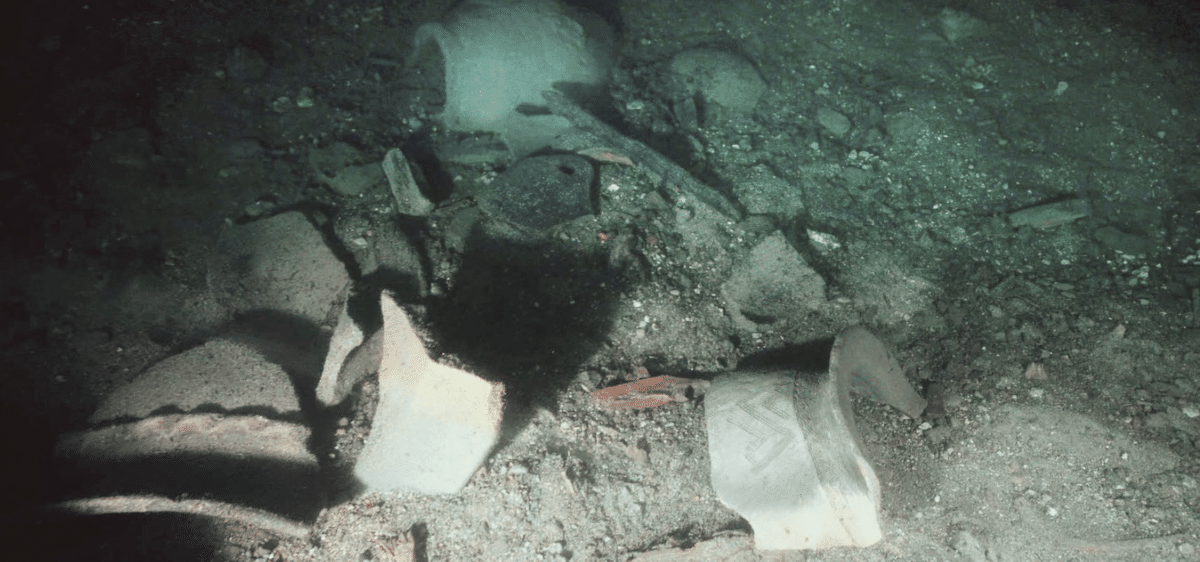
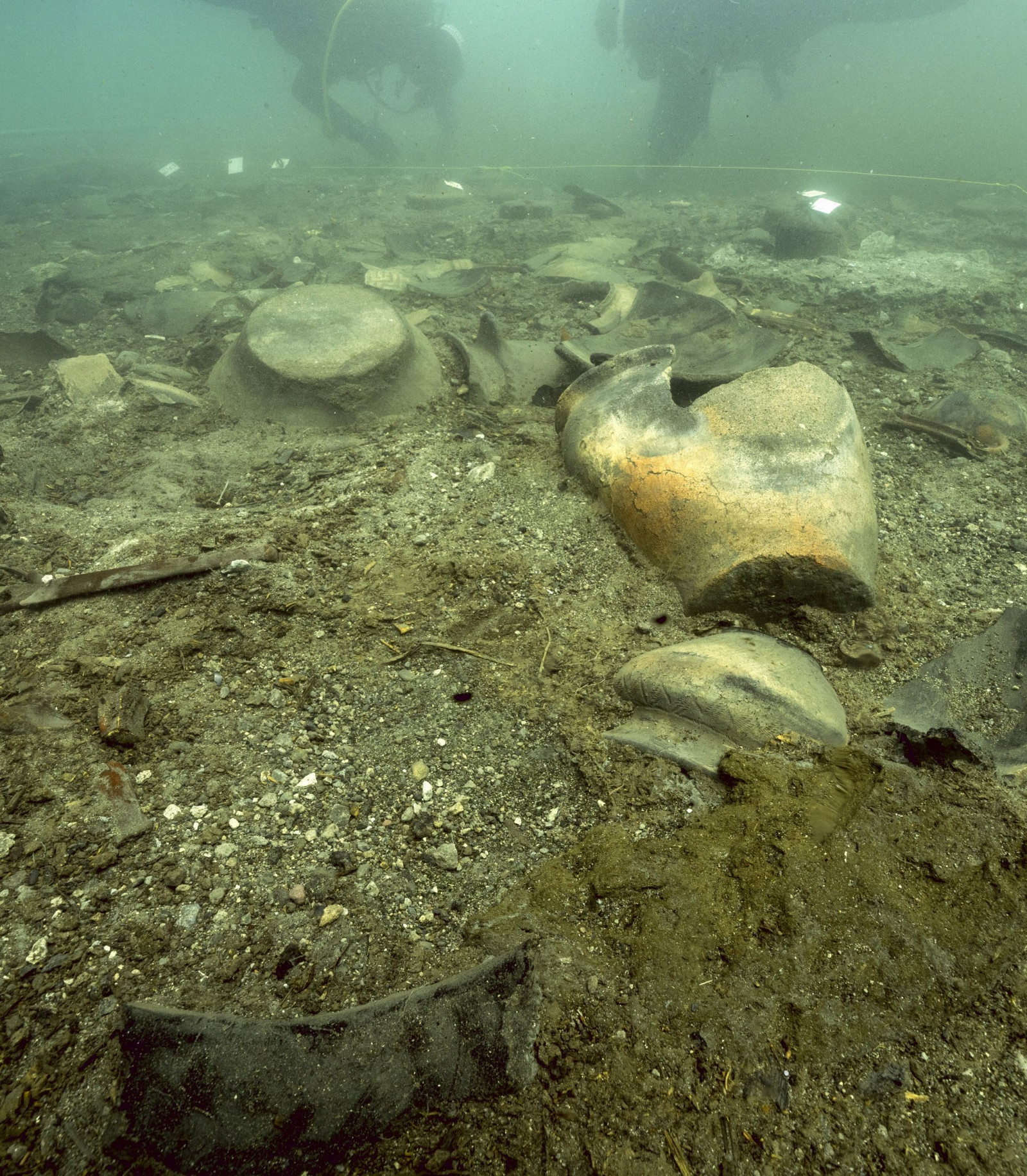
One segment is associated with a pile-dwelling (palafitta) settlement, while the Aiola zone is documented as a ceremonial area. The Soprintendenza reports evidence of ritual fires, food offerings placed in large ceramic vessels, and deposits of valuable metal implements hidden among stones.
Later activity is documented as well, with Late Roman ceramics and coins from the Constantinian era found, indicating the area’s continued use well beyond the Iron Age.
By early 2026, Gran Carro had developed into a submerged archaeological park offering underwater preservation, snorkeling trails, glass-bottom boat tours, 3D photogrammetric models, and virtual reality experiences.
- Categories:
- Science







0 comments
Sign in to Comment