
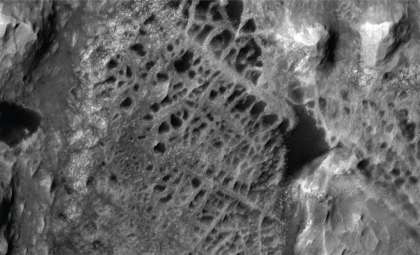
The desolate Martian landscapes may conceal more than just dust and rocks. Increasingly, scientists are intrigued by distinct geometric shapes spotted in NASA's imagery, which some argue could be remnants of an ancient civilization. Several studies, including one featured in the Journal of Space Exploration, suggest these formations are too orderly to have occurred naturally.
The Mysterious Keyhole Formation
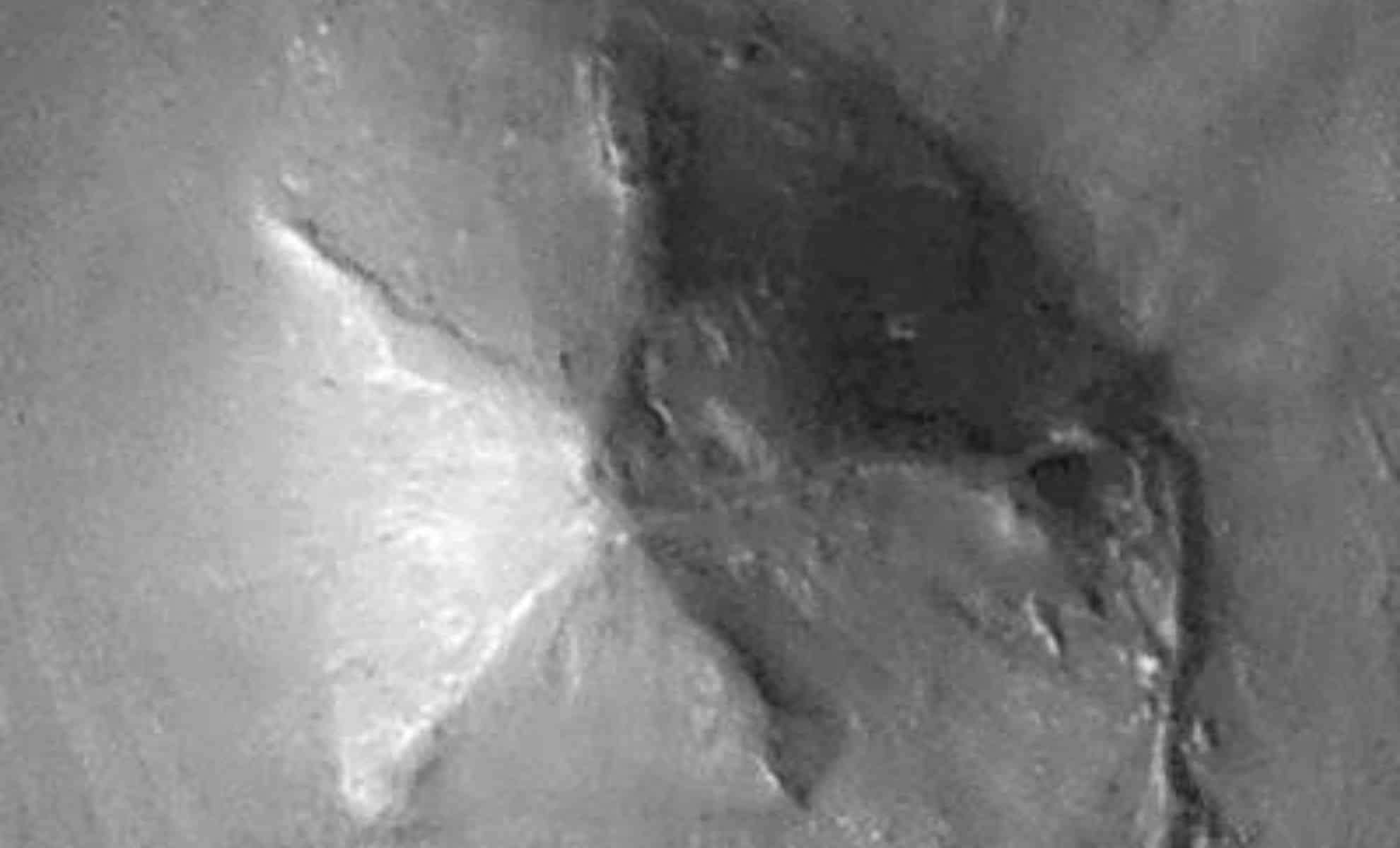
Among the most notable is the keyhole formation located atop Libya Montes. Captured by NASA’s Mars Reconnaissance Orbiter in 2011, this unusual structure features a wedge-shaped base capped by a spherical dome, sparking significant interest.
George J. Haas, founder of The Cydonia Institute and a long-time Mars observer, describes its symmetry as "remarkably precise." To Haas, the formation resembles ancient Japanese burial mounds known as Kofun Tombs. In a 2016 research publication, he and his team argued that the precision of this shape defies random geological processes. While mainstream scientists dismiss such claims as cognitive illusions, Haas maintains, "recognizing the difference between natural rock formations and sculptures is straightforward."

A Feathered Shape in Martian Sands
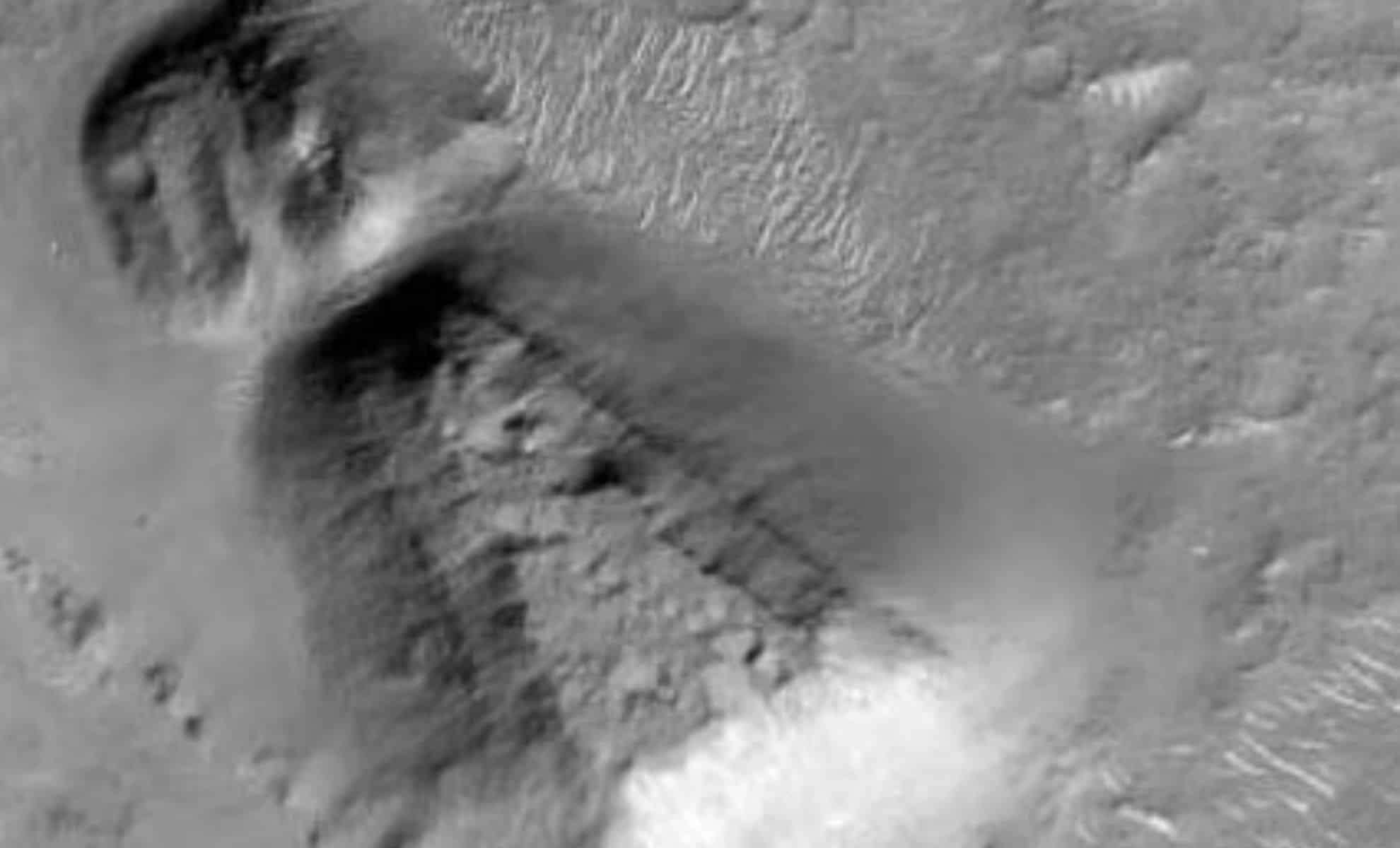
Back in 2002, a peculiar image from the Argyre Basin revealed a shape resembling a bird. Wilmer Faust noticed what appeared to be avian features and shared his observations with Haas, who identified the figure as the parrot geoglyph. The shape displayed distinct elements such as an eye, beak, wing, and feathers, with Haas tallying "22 points of anatomical accuracy."
To validate this, five veterinarians including one specializing in birds examined the image and concurred that the shape closely matched real avian anatomy. While Earth hosts similar giant ground drawings like the Nazca lines in Peru depicting animals, Haas argues that none possess as detailed an anatomical likeness as this Martian figure. Detractors attribute the image to pareidolia, a psychological phenomenon causing people to detect familiar patterns where none truly exist.
Pyramids Towering Above Martian Plains
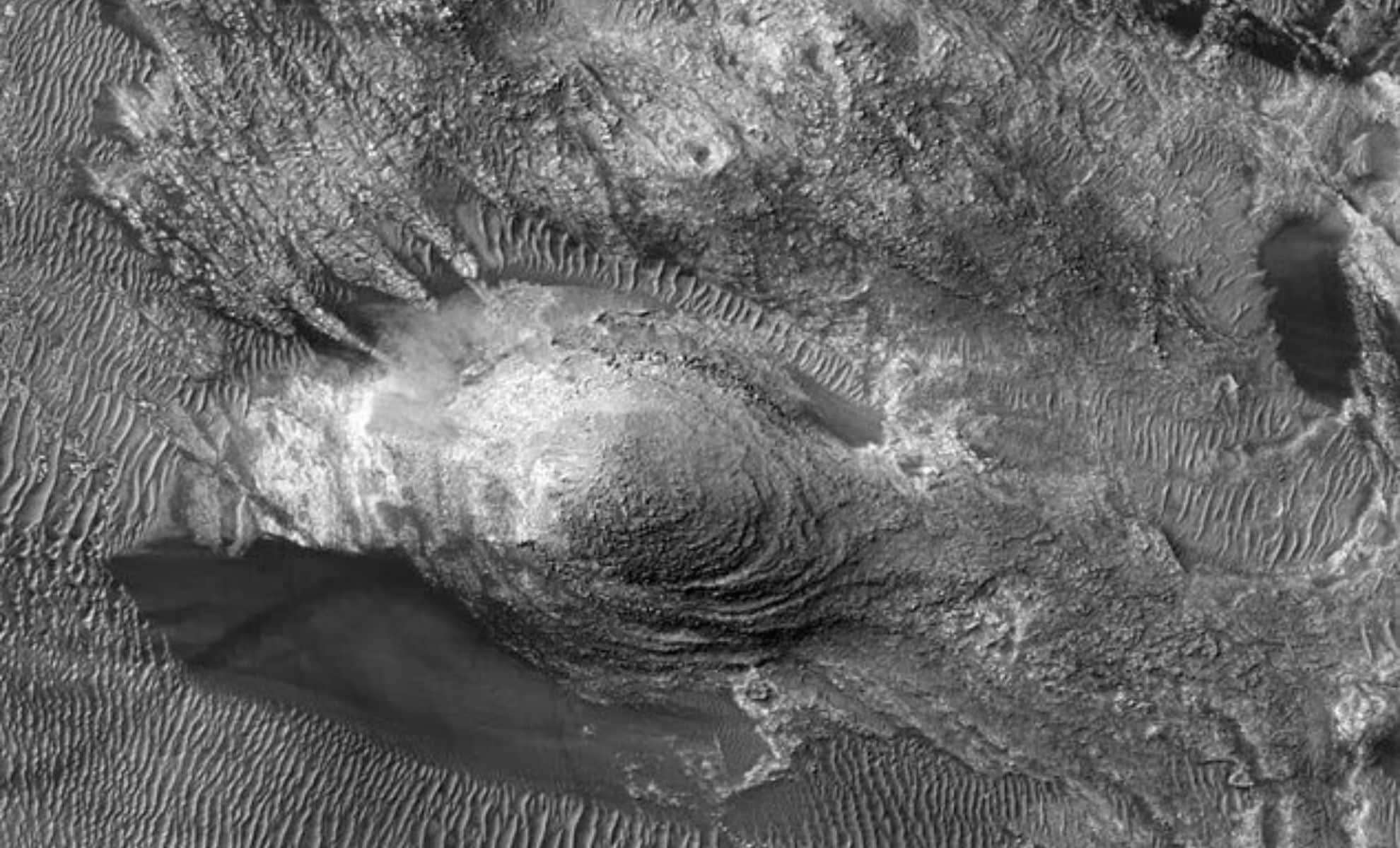
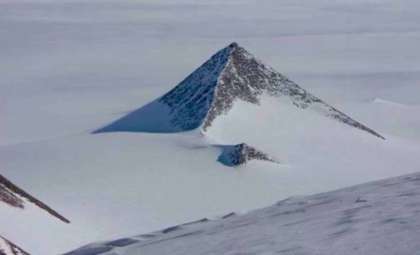
The list of peculiar formations extends further. In 1972, NASA’s Mariner 9 spacecraft captured images of the Sagan pyramids in the Elysium region, massive triangular structures reaching over 3,200 feet tall and spanning nearly 10,000 feet wide. Even famed astronomer Carl Sagan speculated that wind and sandstorms might have sculpted them but stressed that close examination would be necessary to confirm any theories.
Haas observes that natural pyramid-like formations often have rounded, cone-shaped tops rather than sharply defined edges. He draws a parallel with an unusual three-sided pyramid found at Area 51 in Nevada, known for weapons testing. This resemblance further fuels speculation that Mars may have once supported advanced architects.
An Unusual Starburst Formation
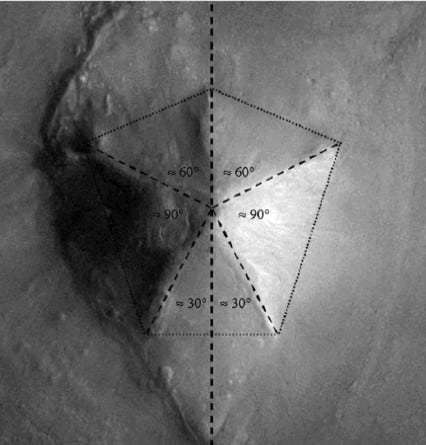
Within the Nepenthes Mensae region lies a rugged upland featuring another striking formation: the starburst structure. Sporting five radiating arms akin to a starfish surrounding a central mound, it immediately drew Haas’ attention. He compared its design to star-shaped forts built in Europe during the 16th and 17th centuries, with Fort Henry in Tennessee being a notable lookalike, even sharing truncated tips.
Conventional scientists emphasize that many such formations can be explained by natural processes like erosion, volcanic activity, and landslides. Nevertheless, Haas remains convinced that Mars harbors extraordinary secrets.
In an interview with DailyMail, he remarked, "Mars is poised to become a rich source of technological artifacts and invaluable data." With SpaceX planning uncrewed missions as early as 2026 and manned expeditions potentially by 2029, humanity may soon uncover whether these enigmatic Martian landmarks are mere geology or relics of an ancient civilization.
- Categories:
- News





0 comments
Sign in to Comment