

The Atacama Desert, famously the most parched region on the planet, has surprised scientists with an astonishing find: a resilient species thriving underground. Recent investigations by the University of Cologne reveal that clusters of tiny, hardy worms endure beneath the unforgiving surface, defying previous assumptions about the desert’s capacity to support life.
Long regarded as nearly barren, with only a handful of coastal animals documented, the Atacama’s soil now emerges as home to a surprisingly diverse ecosystem. Published in Nature Communications, this new research highlights that life persists even under conditions so extreme that NASA uses this environment to trial its Mars exploration rovers. Resilient nematodes have been found inhabiting the arid soil layers.
Surviving in the World’s Most Arid Landscape
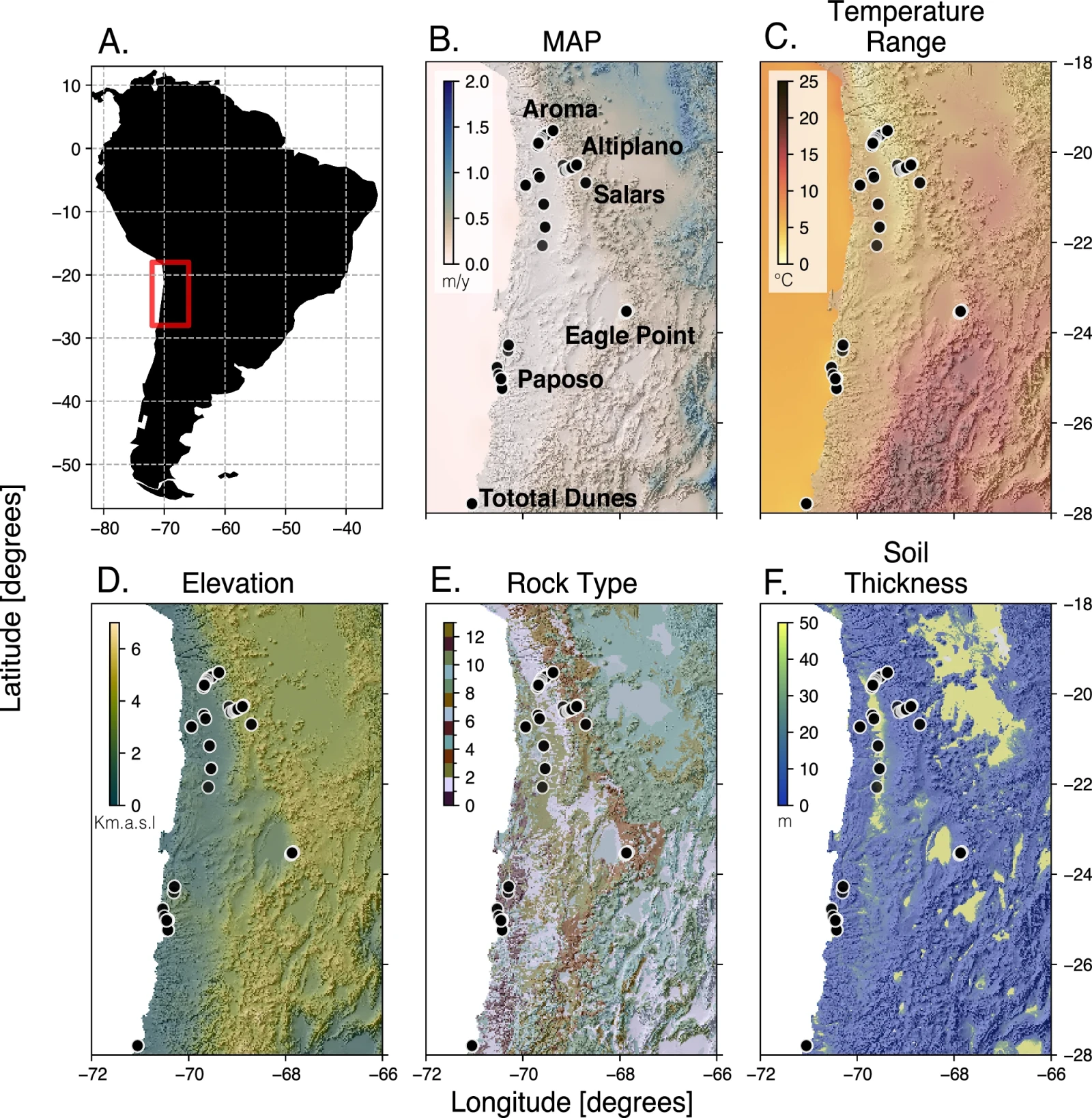
The Atacama Desert is notorious for its stark dryness, with some areas rarely witnessing rainfall and cracked, dry earth dominating the landscape. Scientists took soil samples from six diverse sites spread across the desert, representing varying moisture levels, soil salt content, and plant coverage to investigate subsurface life.

Despite the hostile environment, nematodes were found in abundant numbers in the soil, revealing a hidden and active community.
“These results demonstrate that even in one of the most extreme terrestrial environments, stable soil communities can persist. However, evidence of simplified soil food webs suggests vulnerability to further environmental change,” wrote the authors.
Nematodes: Tiny but Tenacious Survivors
Despite their minuscule size, nematodes rank among Earth’s most adaptable creatures, thriving variously from ocean depths to polar extremes. Earlier research had reported scant presence of these worms in the Atacama, suggesting limited viability for life there.
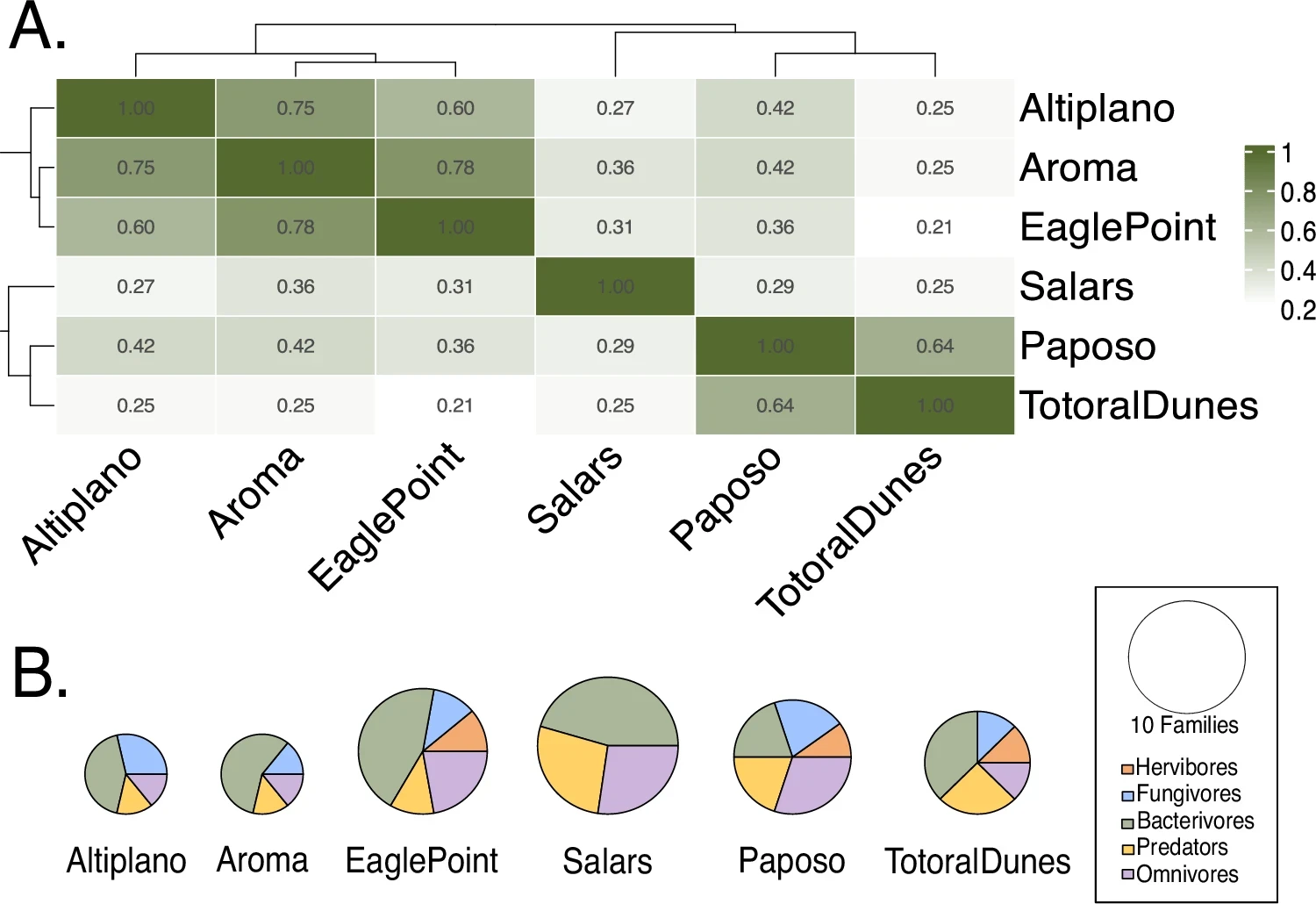
However, this investigation uncovered a richer nematode diversity than anticipated. The team documented 21 nematode families and 36 genera, a far more varied community than previously known. These worms display remarkable adaptability, with some species reproducing sexually while others switch to asexual reproduction depending on environmental cues, underscoring life’s extraordinary versatility in harsh habitats.
The Role of Nematodes in Facing Climate Shifts
Unveiling these resilient soil communities in one of Earth’s harshest deserts carries significant weight for understanding climate change impacts. As global warming drives desertification worldwide, insights into how nematodes endure extreme dryness could offer clues about ecosystem responses to increasing aridity.
Philipp Schiffer, a lead scientist in the project, emphasizes that findings like this enhance predictions about ecosystem resilience amid desert expansion. While some Atacama zones are already experiencing soil degradation, the steadfast nematode populations provide optimism for possible ecological recovery.
“Our findings provide new insights into the mechanisms shaping biodiversity in arid ecosystems and can inform predictions about soil resilience under global climate-driven aridification,” added the research team.
- Categories:
- Science






0 comments
Sign in to Comment