
A group of Chinese scientists has revealed the existence of a lively ecosystem residing nearly 10 kilometers beneath the Pacific Ocean, overturning previous beliefs about the lifeless nature of such harsh environments. Contrary to earlier assumptions of a desolate seafloor, their findings showcase vibrant marine life flourishing under extreme conditions.
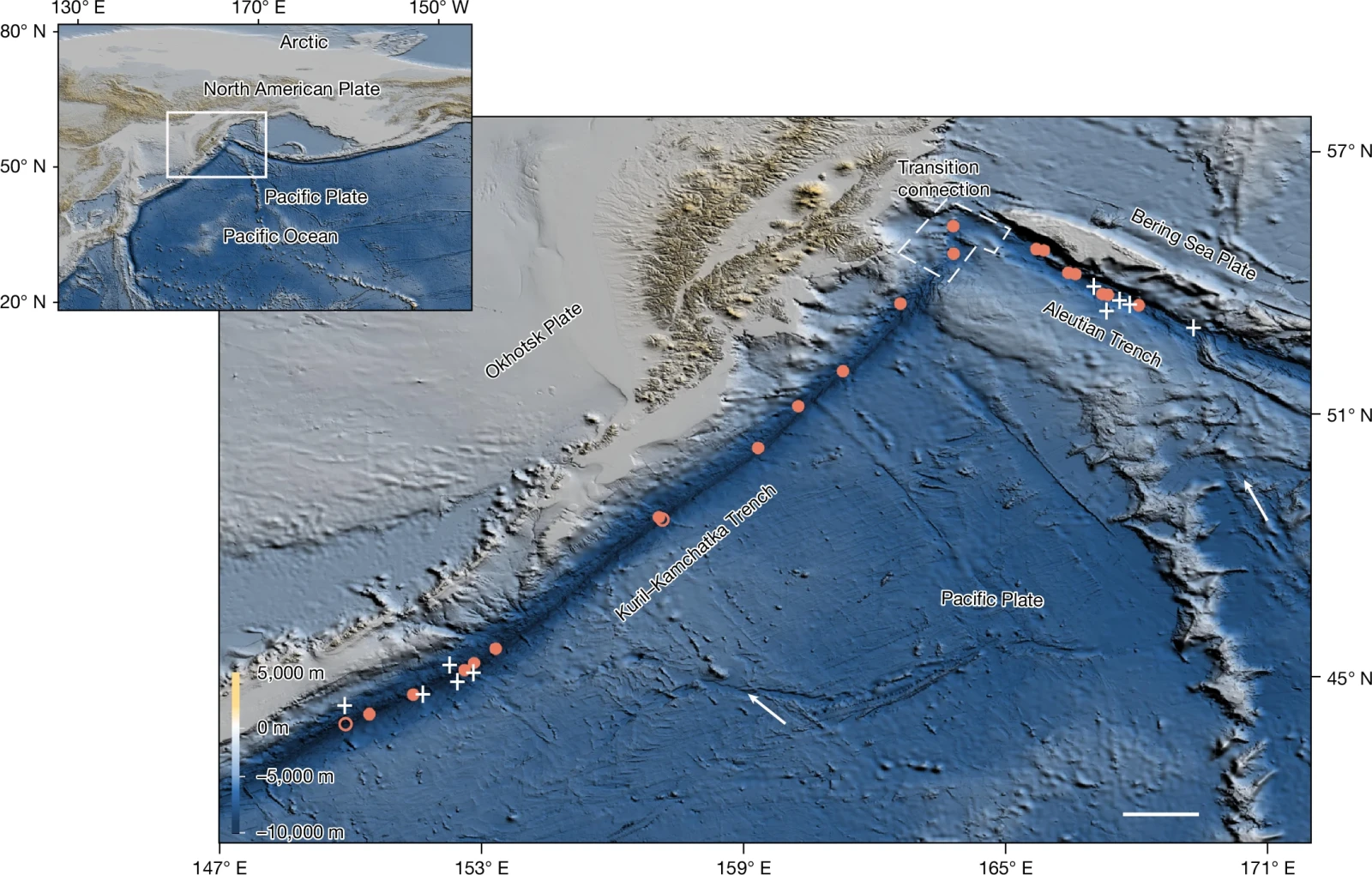
For decades, the deep Pacific trenches remained largely unexplored and were thought to support only microbial life due to the immense pressure and absence of sunlight. However, this recent exploration in the Kuril-Kamchatka Trench, plunging beyond 10,500 meters, has demonstrated that diverse organisms can survive and thrive there.
Exploring Remote Ocean Depths
A recent publication in Nature details the journey of Chinese researchers piloting a manned submersible into the heart of the Kuril-Kamchatka Trench. Anticipating minimal life due to the extreme pressure and scarce light, their observations surpassed all expectations.

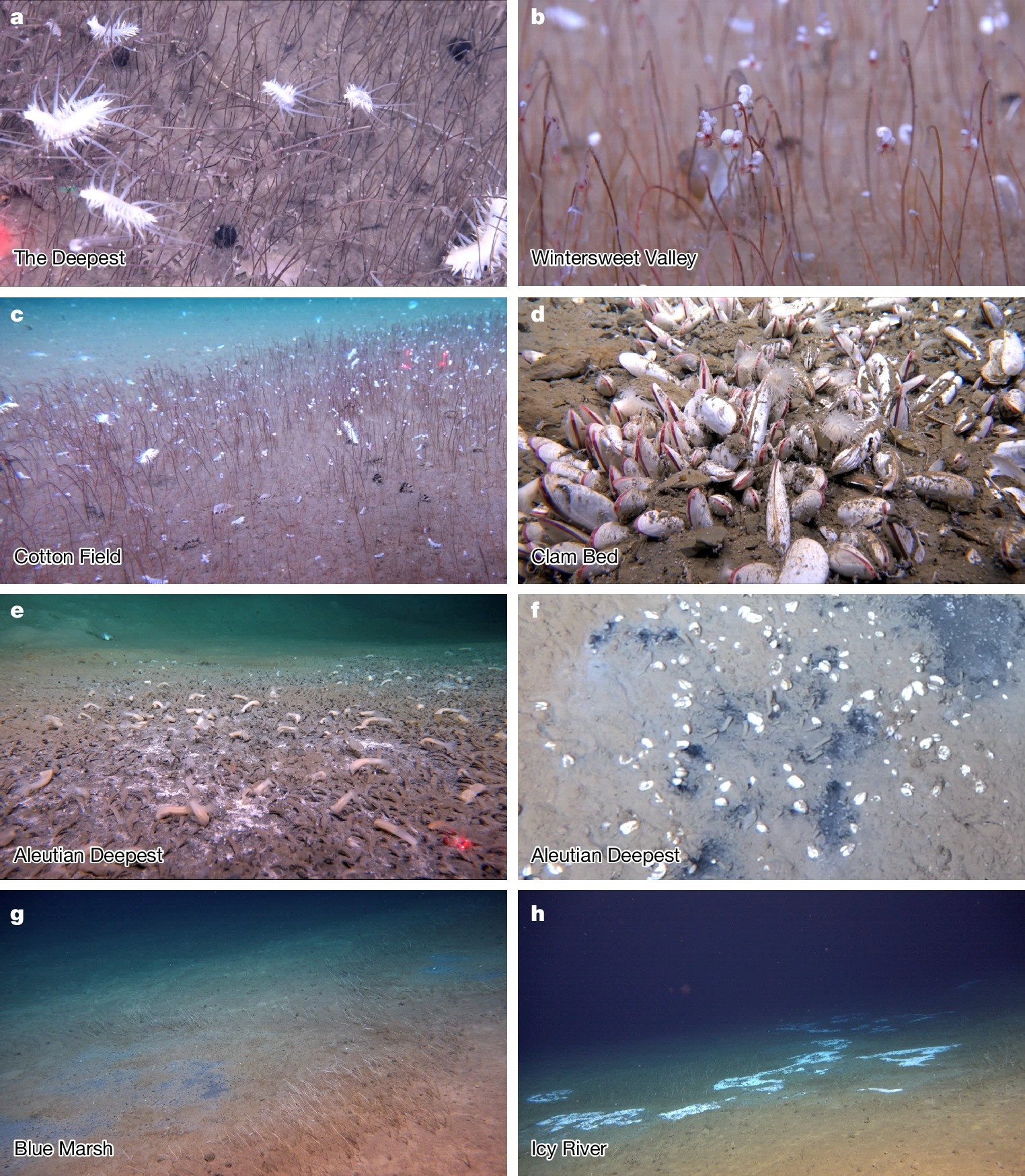
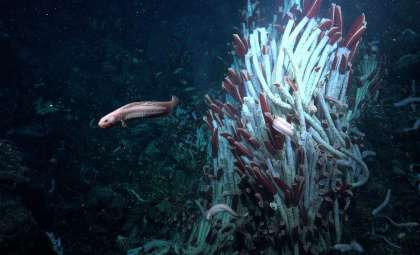
The team utilizing the Fendouzhe submersible discovered a rich ecosystem including tube worms, mollusks, and sea cucumbers, some measuring over a foot long, dating in a habitat once believed too inhospitable for complex life.
These species survive in pressures exceeding 1,000 times that at the surface, relying primarily on chemosynthesis rather than sunlight to sustain their ecosystem.
“These communities are sustained by hydrogen sulfide-rich and methane-rich fluids that are transported along faults traversing deep sediment layers in trenches, where methane is produced microbially from deposited organic matter,” wrote the authors.
Life Powered by Chemical Energy in the Deep Sea
The animals inhabiting these trenches live independently of solar energy. Instead, they harness energy through chemosynthesis, a biological process where bacteria convert chemicals such as methane and hydrogen sulfide emitted from the ocean floor into usable energy. This unique adaptation supports complex ecosystems in total darkness beneath extreme pressure.
The research highlights that these findings could broaden our understanding of how life might exist in similarly harsh environments elsewhere, including the subsurface oceans on moons such as Europa and Enceladus. Orbiting Jupiter and Saturn, respectively, these celestial bodies possess conditions resembling the extreme habitats of Earth’s deepest trenches and might host life forms based on comparable chemical processes.
With the rising interest in deep-sea mineral extraction, scientists emphasize the potential irreversible harm this activity could inflict on these fragile, ancient biological communities. Because these systems represent some of the planet’s oldest and most isolated ecosystems, preserving them is critical as we continue to uncover their unique characteristics.
- Categories:
- Science



0 comments
Sign in to Comment