
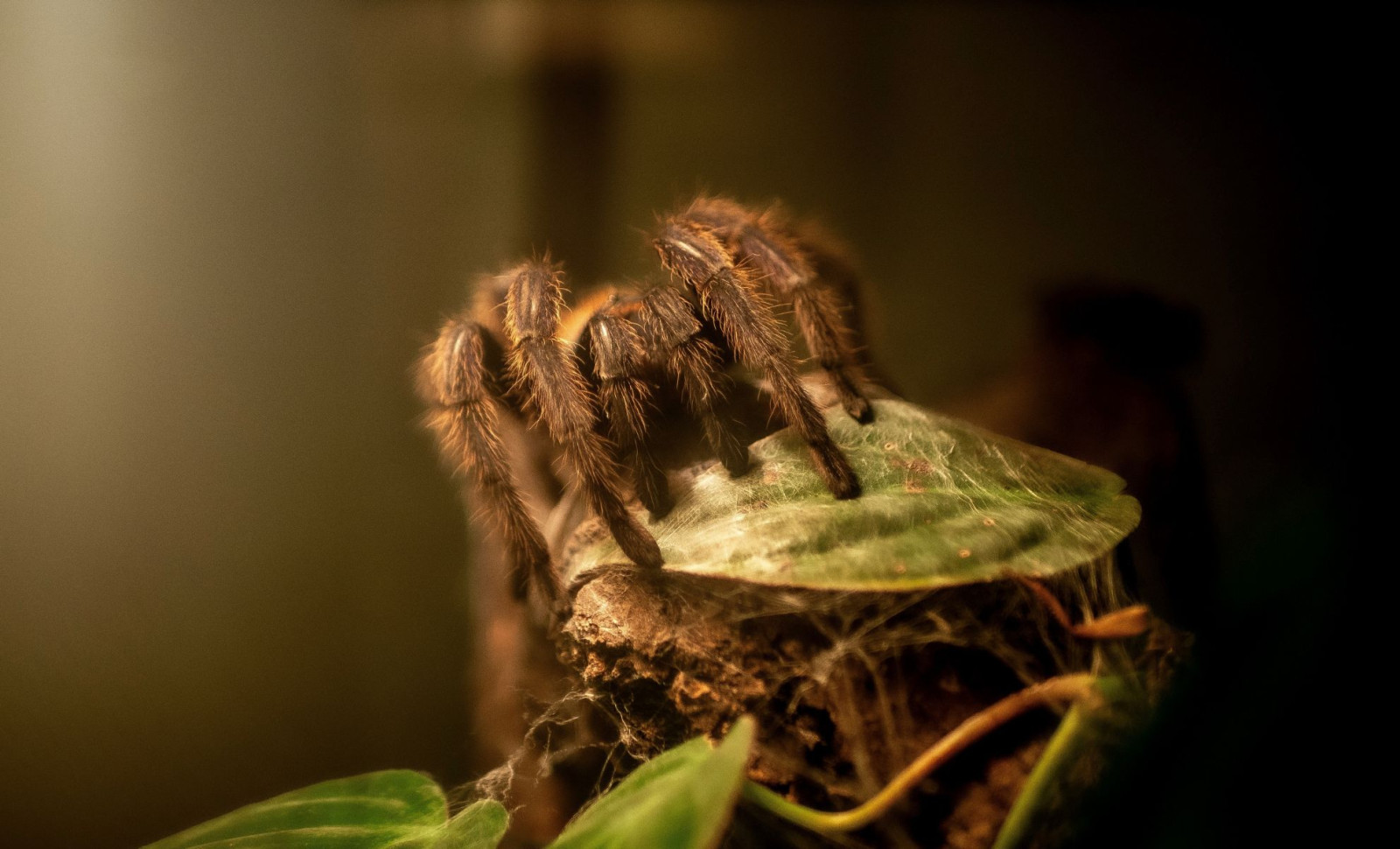
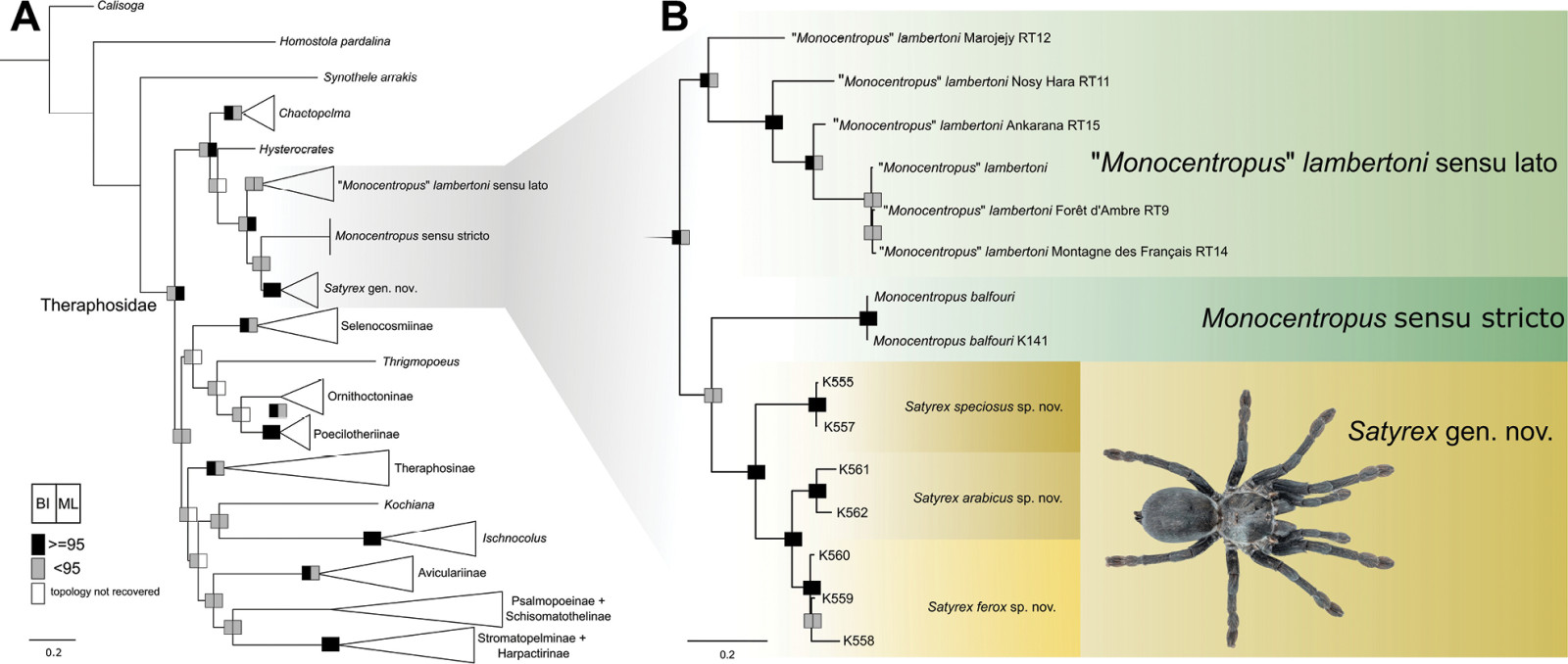
Scientists have identified four previously unknown tarantula species from the Arabian Peninsula and East Africa, leading to the creation of a completely new genus named Satyrex. These spiders stood out due to their unique anatomical traits that do not correspond with any known tarantula group.
The research, spearheaded by Dr. Alireza Zamani at the University of Turku, integrated detailed morphology with advanced genetic analysis to accurately classify these species. Dr. Zamani highlights that the differences were so significant that placing them into an existing genus was not feasible.
These tarantulas inhabit regions that have remained largely unexplored with regard to spider diversity, which may explain why these mainly subterranean species have avoided detection until now.

Males Feature Exceptionally Extended Palps
According to the study published in ZooKeys, a defining characteristic of the Satyrex males is their extraordinarily long palps, which are mating appendages. Dr. Alireza Zamani described these palps as "the longest among all tarantulas known to date."
In the largest species, Satyrex ferox, the spider’s legspan reaches approximately 14 cm, with male palps measuring nearly 5 cm long—almost matching the leg length and extending about four times the length of the front body segment.
Researchers speculate that these extended palps might serve a functional role by maintaining a safe mating distance, thereby reducing the risk of aggression from females.
A Tarantula That Emits a Hissing Sound
Satyrex ferox is not only distinct in appearance but also in behavior. Its species name, meaning "fierce," refers to its reaction when threatened. The latest findings reveal that it immediately lifts its front legs and generates a noticeable hissing noise.
This sound results from stridulation, created by specialized hairs on its front legs rubbing together. As Dr. Zamani describes:
“This species is highly defensive. At the slightest disturbance, it raises its front legs in a threat posture and produces a loud hissing sound by rubbing specialized hairs on the basal segments of the front legs against each other.”
New Genus Includes Several Unique Species
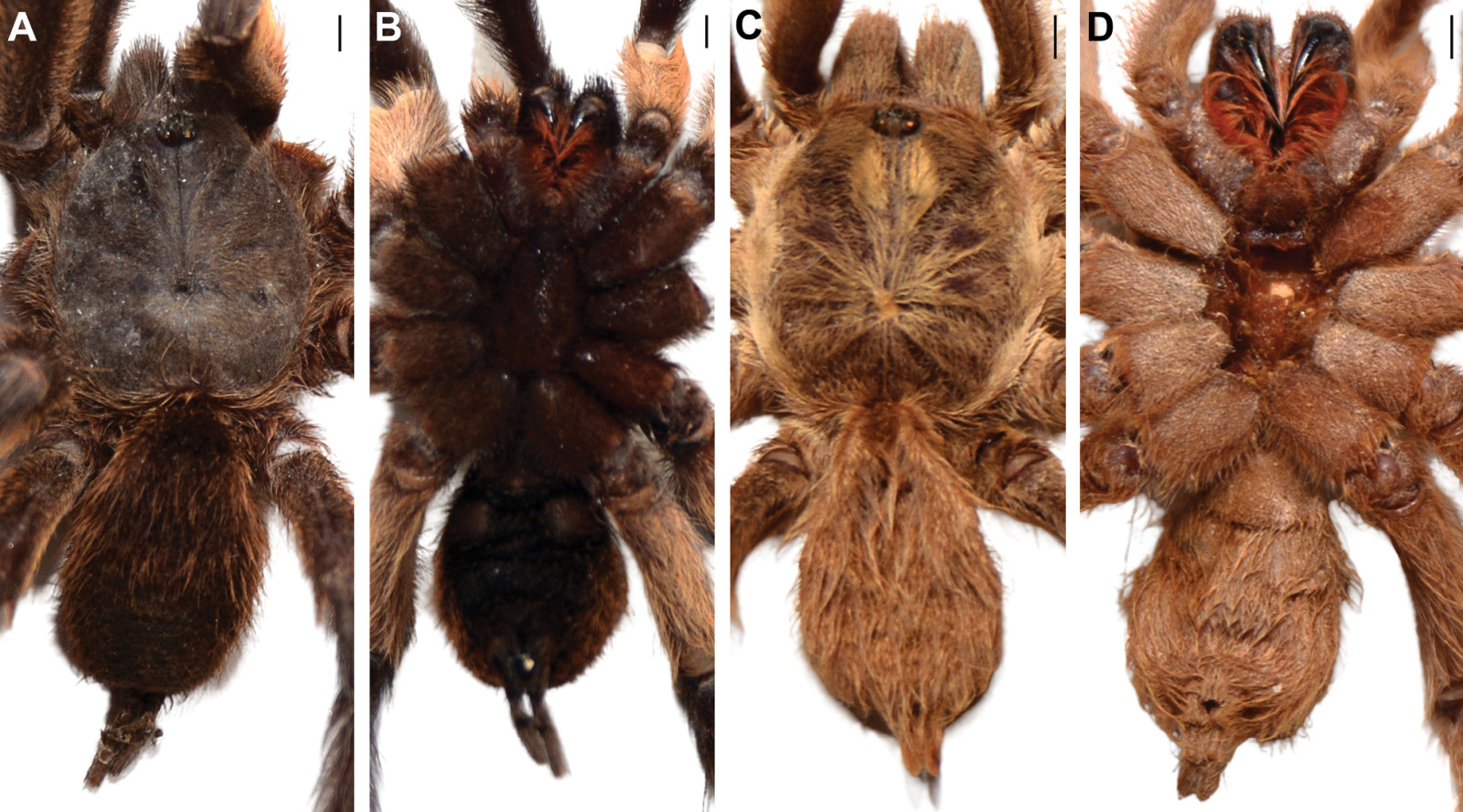
The genus Satyrex comprises three newly identified species—S. arabicus, S. somalicus, and S. speciosus—named according to their geographic origins or distinctive traits. It also reinstates S. longimanus, originally documented in Yemen in 1903.
Previously classified under the genus Monocentropus, S. longimanus didn’t quite fit due to its palp proportions. Typical Monocentropus species have palps about 1.5 to 2 times the length of their carapace, whereas Satyrex species exceed this ratio significantly.
All species in this genus exhibit a fossorial lifestyle, living predominantly in burrows situated at the base of shrubs or nestled between rocks—likely a factor that contributed to their elusive nature until recent discoveries.
- Categories:
- Science









0 comments
Sign in to Comment