

A pioneering investigation published in Nature Geoscience has identified two colossal zones of intensely heated rock lying deep beneath Earth’s crust, playing a vital role in shaping the planet’s magnetic field. These enormous formations, surrounded by cooler rock, have been impacting Earth’s internal processes for millions of years.
The analysis, led by experts at the University of Liverpool, focuses on these gigantic blobs of solid, searing rock positioned within the Earth’s mantle. Encased by cooler surrounding material, they are instrumental in directing the flow of substances inside the planet. The findings offer a new understanding of Earth’s magnetic field, a long-standing enigma for geophysicists worldwide.
Superheated Blobs: Key Drivers of Earth's Thermal Activity
As detailed in the research, these vast areas of molten-like rock reside deep in the mantle layer far beneath Earth’s exterior. With sizes much greater than previously estimated, and encompassed by cooler rock layers, these thermal structures form a distinct feature within Earth’s interior. Scientists propose that these heaps of hot material are dynamic, continuously interacting with the cooler mantle to drive internal movements crucial for phenomena like the generation of Earth’s magnetic field.


The immense heat from these blobs influences the behavior of molten rock beneath the crust. This flow contributes significantly to the shifting of tectonic plates and volcanic activity. As mantle material circulates, it fuels plate tectonics responsible for earthquakes and volcanic eruptions. These blobs are considered a key factor behind such dynamic Earth processes, adding fresh insight into the planet’s internal heat circulation.
Uncovering the Magnetic Influence of Deep Mantle Blobs
A major revelation of this study is how these superheated blobs impact the planet’s magnetic shield. Earth’s magnetic field protects life by deflecting dangerous solar particles and stabilizes the climate. Traditionally linked to molten metal flow in the outer core, this research suggests the mantle's heated zones may also cause temporal variations in the magnetic field.
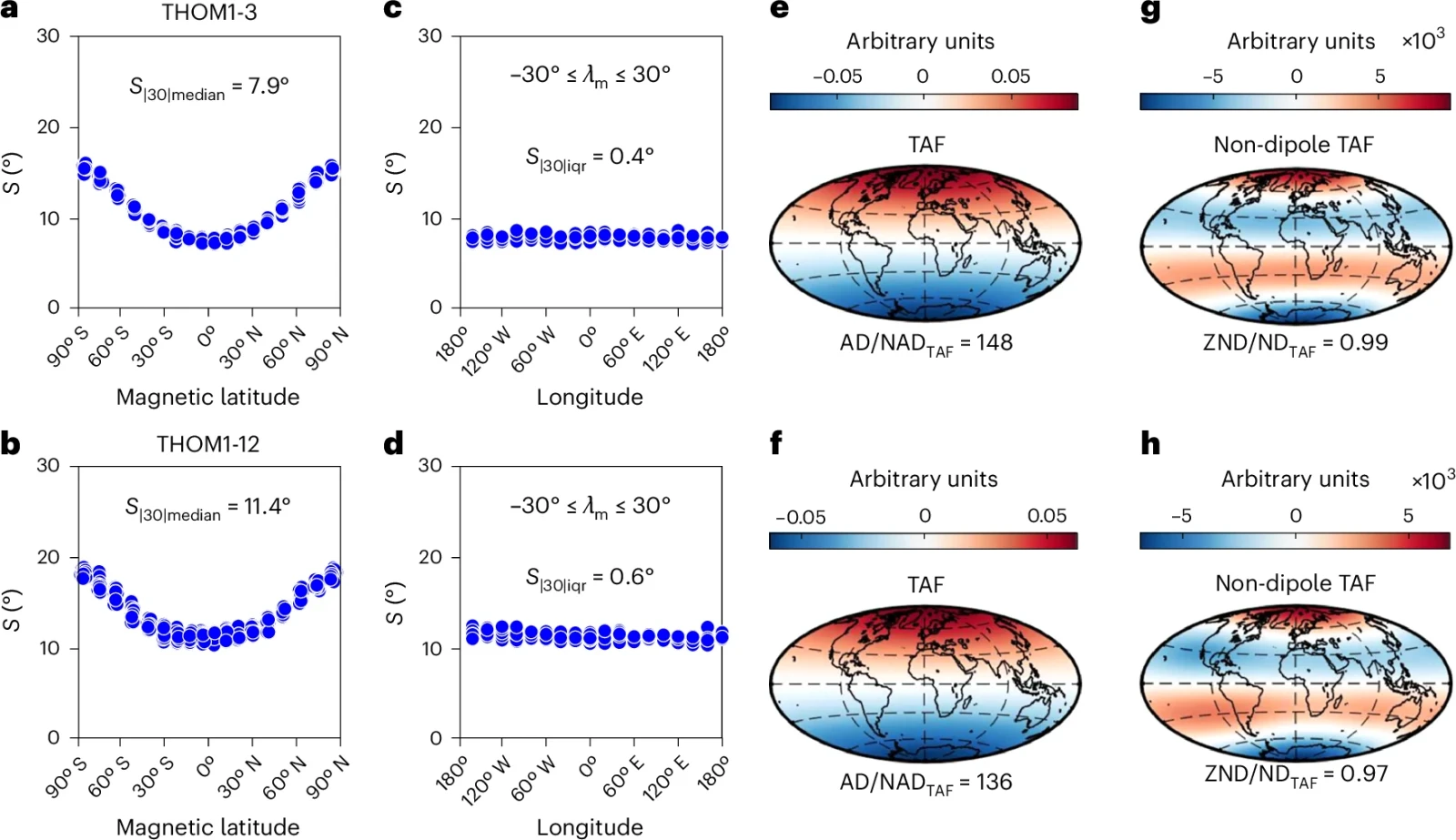
The presence of these intensely hot areas could explain irregularities in magnetic field strength and pattern. Researchers hypothesize that disturbances caused by the blobs alter material movements in the mantle, which in turn influence the flow of molten metals in the core. Such fluctuations can modify the magnetic field’s intensity over time.
An Overlooked Geological Driver Beneath Our Feet
It is believed these hot blobs regulate heat exchange between the core and mantle, governing how the surface cools. This interaction propels major geological activities that mold Earth’s landscape.
“Gaining such insights into the deep Earth on very long timescales strengthens the case for using records of the ancient magnetic field to understand both the dynamic evolution of the deep Earth and its more stable properties,” said Andy Biggin, Prof. of Geomagnetism at the University of Liverpool.
Experts propose that the heat from these immense blobs could be responsible for establishing mantle hotspots, which feed some of the planet’s most vigorous volcanic activity. This discovery may enhance volcanic activity forecasting and improve understanding of eruption patterns.
- Categories:
- Science












0 comments
Sign in to Comment