
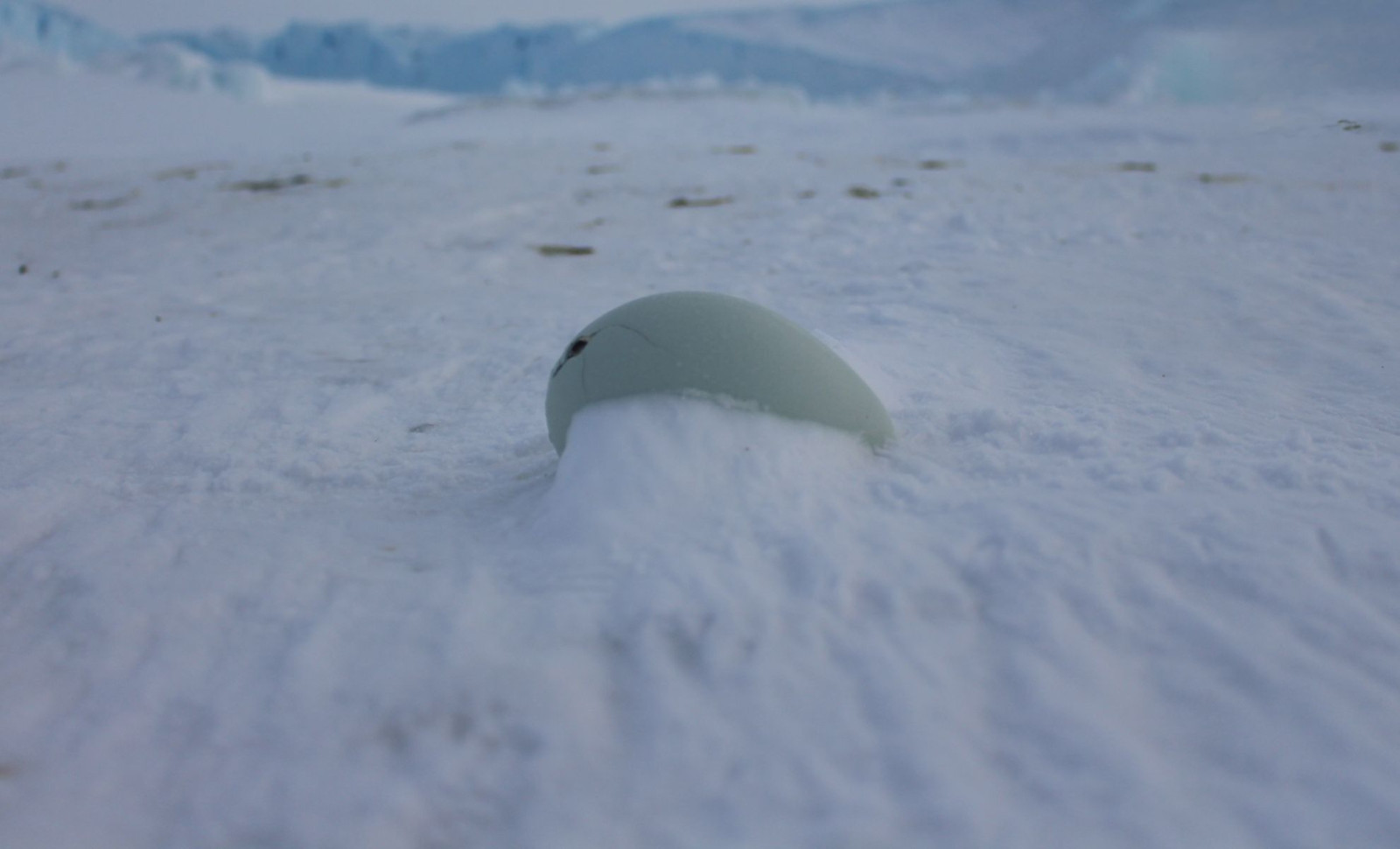
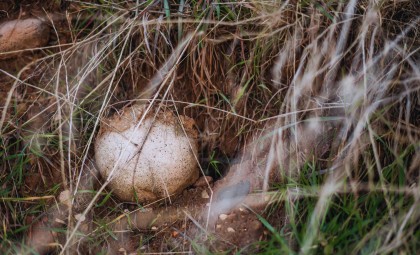
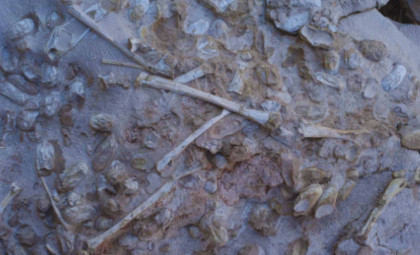
An unusual fossil found in Antarctica might represent an egg from one of the ocean’s most dominant ancient predators. This football-sized discovery, later identified as a soft-shelled egg, is possibly the first egg associated with a mosasaur.
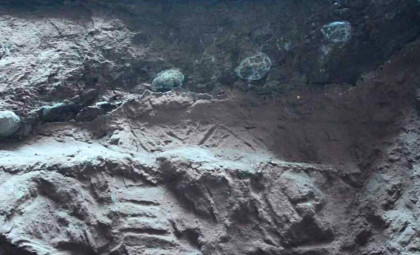
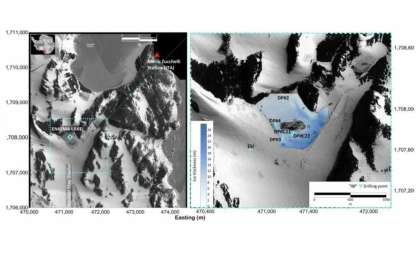
The object was initially discovered in 2011 on Seymour Island by Chilean scientists, who were intrigued by its distinctive form. At the time, its exact nature was uncertain, and it was informally called “The Thing”.
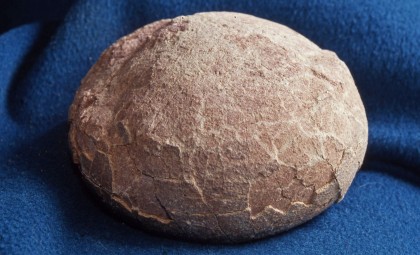
Subsequent investigations years later revealed the specimen’s true identity. Paleontologist Julia Clarke, as cited by Live Science, recognized it resembled a "deflated football," which sparked a more in-depth study of this remarkable fossil.

An Unprecedented Soft-Shelled Egg Discovery
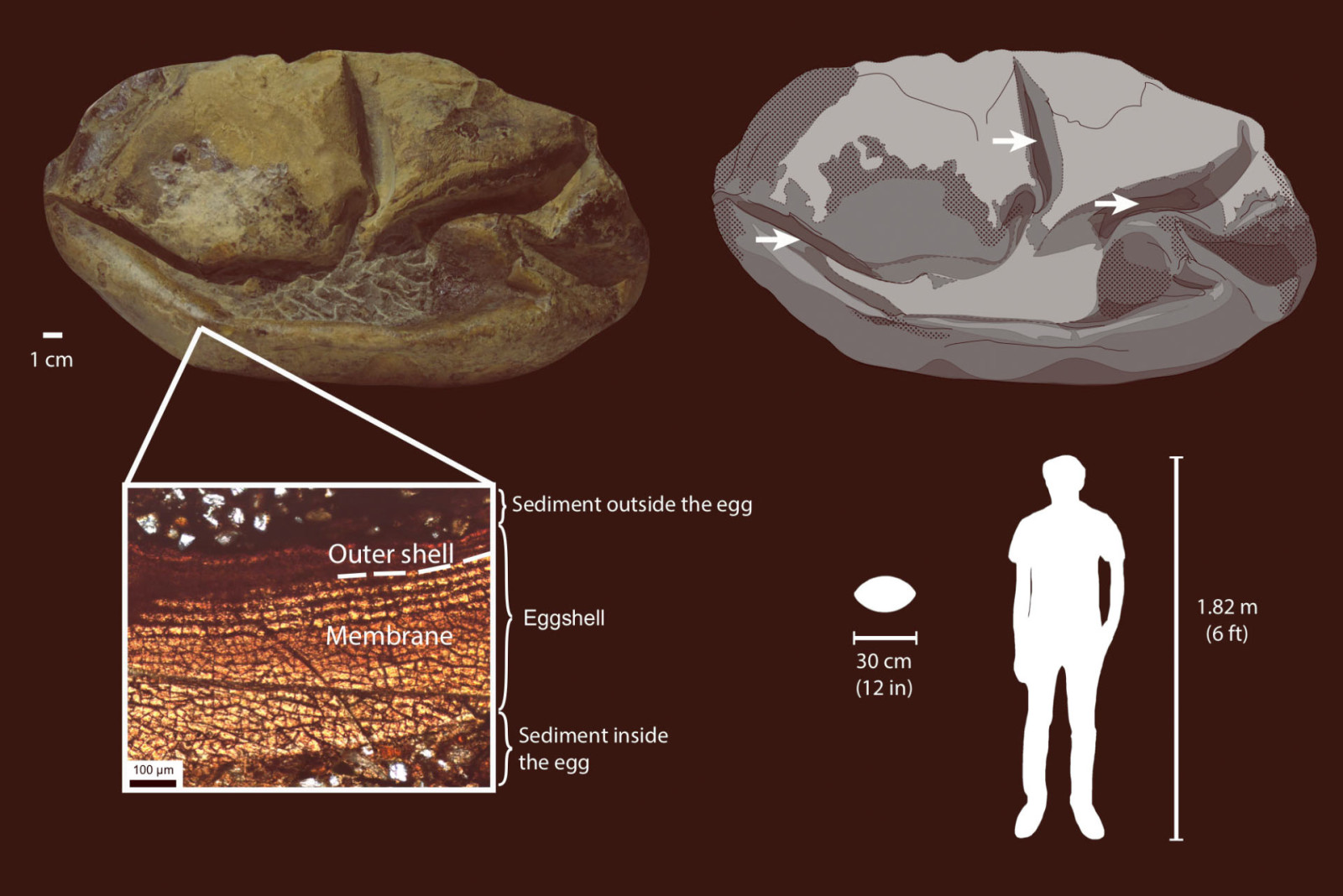
Measuring about 11 by 8 inches (29 by 20 cm), this specimen is the largest soft-shelled egg ever documented and ranks second among all egg types found so far. Published in Nature, the fossil dates back roughly 68 million years to the late Cretaceous era.
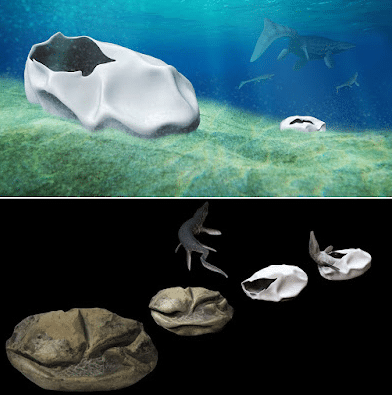
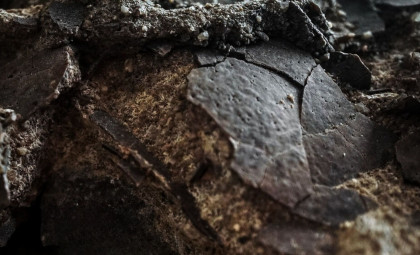
This fossil features a notably thin shell with no pores, differing from the thick, robust shells typical of many fossil eggs. This delicate shell nature accounts for the rarity of such preserved specimens. As pointed out by Darla Zelenitsky, a paleobiologist:
“These soft tissues are quite fragile and destructible. Because of this, for many years we thought that fossilization of such eggs was nearly impossible.”
The egg was officially named Antarcticoolithus bradyi, acknowledging both its Antarctic origin and unique traits.
Linking the Egg to a Massive Marine Reptile
The egg’s characteristics resemble those found in lizards and snakes, placing it within the Lepidosauria clade. This suggests a link tomosasaurs, giant marine reptiles that ruled prehistoric seas.
The investigation team uncovered fossils of Kaikaifilu hervei, a mosasaur about 33 feet (10 meters) in length, located only 200 meters away from the egg find. This spatial closeness lends weight to the idea, though the researchers acknowledge the egg’s parent species remains uncertain.
By analyzing 259 extant lepidosaur species, researchers estimated that the creature which laid this egg was likely at least 23 feet (7 meters) long. As reported by Live Science, no fossils of Antarctic dinosaurs or pterosaurs from that time period match the size needed to produce such an egg, supporting the mosasaur hypothesis.
New Data Sparks Fresh Questions
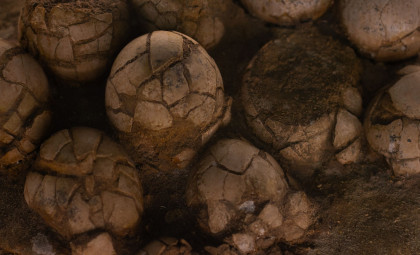
Some scientists propose the clutch may belong to a dinosaur because of certain similarities to recently identified dinosaur eggs. An accompanying commentary suggests that the fossil could have originated on land and later washed into marine sediments. Paleobiologist Darla Zelenitsky emphasized that comparing the soft tissue in this egg with those of other reptiles could reveal more about the species responsible.
“The new egg looks a lot like the soft-shelled eggs of dinosaurs. Perhaps an analysis comparing the soft tissue of A. bradyi with those of other reptile eggs could shed light on what kind of animal laid it.”
The wider context is intriguing: fossils of both juvenile mosasaurs and plesiosaurs, alongside adult specimens, have been discovered in the same locality. This supports the idea that Antarctica may have functioned as a breeding habitat for marine reptiles during a period of warmer climate.
- Categories:
- Science

0 comments
Sign in to Comment