
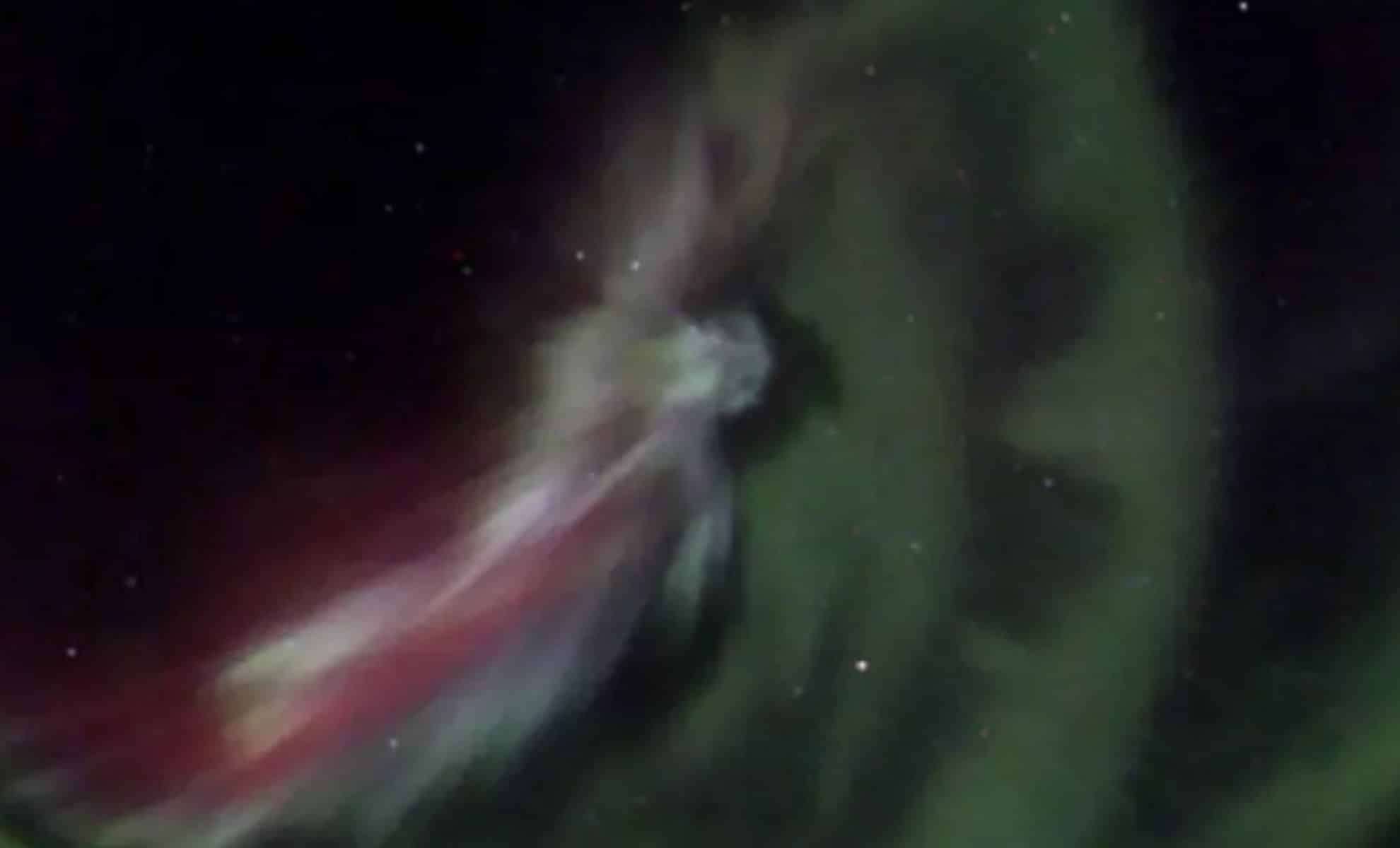
A team of scientists recently uncovered a captivating new feature in the northern skies: a subtle pale grey luminescence shimmering amidst the vivid greens and reds of the aurora borealis. Observed by experts at the University of Calgary, this elusive glow appears as structured patches embedded in active auroras, presenting a phenomenon that challenges the standard understanding of atmospheric light emissions. Unlike the classic colors attributed to oxygen and nitrogen excitation, this greyish light hints at complex, previously unknown chemical interactions occurring high above the Earth.
This revelation adds a fascinating dimension to our comprehension of the northern lights, which have fascinated observers for centuries. Scientists believe these distinct patches might signify a new atmospheric mechanism, offering an opportunity to delve deeper into the interplay between solar particles and the Earth’s upper atmosphere. This discovery expands our grasp of auroral dynamics and opens new pathways to explore the chemical and physical processes shaping our planet’s sky.
A Peculiar Light Within the Aurora
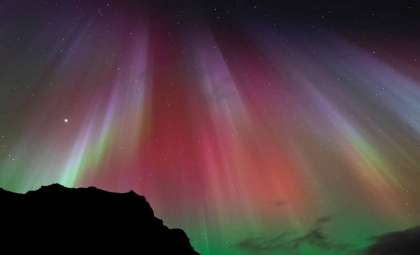
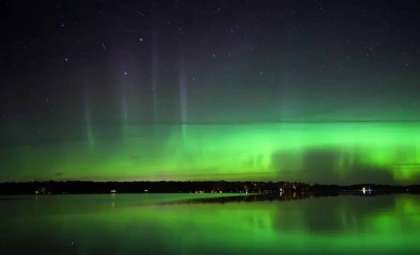
Traditionally, the aurora borealis showcases vibrant greens and reds, but this newly detected pale grey glow stands out as an intriguing anomaly. “In the midst of dynamic green and occasional red auroras, you'd suddenly find these structured, patch-like grey or white emissions intertwined with the aurora,” explained Emma Spanswick, a physicist at the University of Calgary. Unlike STEVE — the well-known mauve-hued band observed near subauroral latitudes — this emission is integrally woven into the auroral structure.

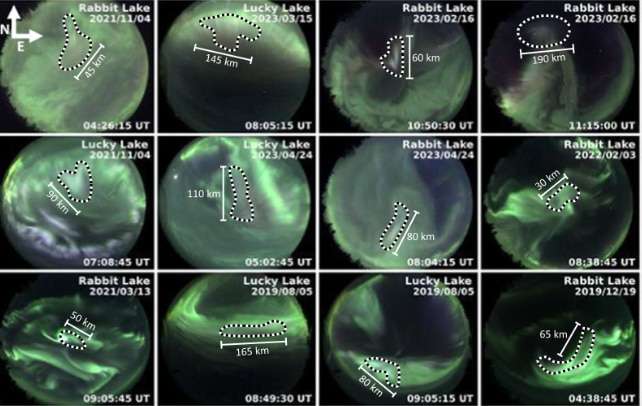
These grey patches vary in size from tens up to several hundred kilometers and are linked with highly active auroral zones. Researchers theorize they may arise due to heat generated during auroral events that initiate chemical reactions emitting a broad spectrum of electromagnetic radiation. Although visually striking, the exact origins remain speculative at this point.
Auroras typically occur when charged solar particles collide with atmospheric molecules such as oxygen and nitrogen, which emit characteristic light colors. While the familiar greens and pinks are well studied, the pale grey and white hues are less understood. Scientists propose these tones might result from extraordinary chemical transformations triggered by auroral energy inputs.
“There are some parallels with STEVE,” Spanswick noted, “but unlike STEVE's distinct band, this new grey glow forms within the aurora itself, complicating efforts to examine it.” These grey formations could indicate a previously unrecognized sequence of atmospheric heating and molecular chemistry at work.
High-Tech Instruments Reveal Hidden Details
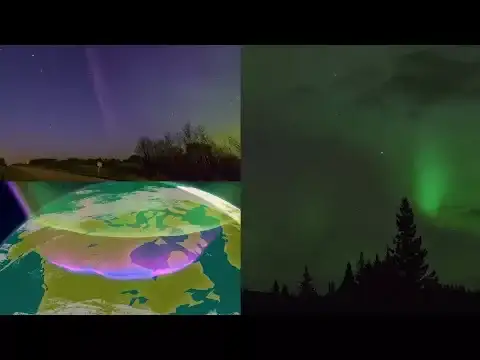
Unveiling this faint grey glow was made possible by advanced observational technologies. The Transition Region Explorer, a state-of-the-art sky imaging observatory, offers unparalleled resolution and spectral precision for auroral research. Moving beyond traditional visual observations, this instrument captures color-calibrated spectral data, allowing detailed analysis of the composite wavelengths within auroras. This capability enables scientists to isolate and examine these subtle grey patches with unprecedented clarity.
Data from the observatory show these patches, ranging from tens to hundreds of kilometers, consistently appear alongside vigorous auroral activity. The glow likely stems from energy discharged during auroral processes, sparking chemical reactions that produce a continuous spectrum of light. By integrating spectral analysis with laboratory simulations, researchers seek to pinpoint the chemical and physical origins of this phenomenon. This blended approach promises richer insights into atmospheric dynamics and solar interactions.
Characteristics identified for this grey glow include:
- Dimensions: Can extend across tens to hundreds of kilometers.
- Position: Interwoven within regions of active auroral display.
- Origin: Likely driven by auroral energy initiating chemical reactions.
- Spectrum: Exhibits a continuum of electromagnetic wavelengths distinct from typical auroral colors.
The Transition Region Explorer’s advanced capabilities continue to facilitate wider data collection and model refinement, advancing the understanding of atmospheric chemistry and auroral phenomena.
Opening New Doors in Atmospheric Science
The identification of this unusual pale grey luminous feature marks an exciting chapter in the exploration of Earth's atmosphere. Although auroras have long been studied, this discovery reveals there are still hidden aspects of the processes occurring high above our planet. These grey light patches may reflect a newfound interaction between auroral energy and atmospheric molecules, offering a fresh perspective on the physical and chemical interactions that create visible sky phenomena.
Current efforts focus on replicating these processes in laboratory environments to verify hypotheses regarding the glow’s source. By simulating atmospheric layers and varying energy effects, scientists aim to reconstruct the formation mechanics of these grey patches. These findings will not only clarify this specific mystery but could also shed light on broader behaviors in Earth's upper atmosphere.
Beyond their scientific impact, this glowing discovery enriches cultural and aesthetic appreciation for the northern lights. For enthusiasts and casual observers alike, understanding that these grey luminescent spots hold untapped mysteries enhances the allure of the mesmerizing aurora displays. As investigations progress, the finding rekindles the sense of wonder that even the most familiar natural spectacles can harbor profound secrets.
Future research plans include:
- Conducting experiments to recreate and study the chemical reactions behind the glow.
- Expanding monitoring programs using cutting-edge imaging technology.
- Examining the relationship between this grey glow and other auroral phenomena such as STEVE.
- Developing forecasting tools for predicting occurrences of these unusual patches.
This breakthrough underscores the intricate, evolving nature of Earth's atmospheric environment, inspiring continued exploration and technological innovation in atmospheric sciences. Each discovery illuminates more about the hidden forces that orchestrate the spectacular light shows above us, reminding us that many mysteries remain to be unraveled.
- Categories:
- Astronomy





0 comments
Sign in to Comment