
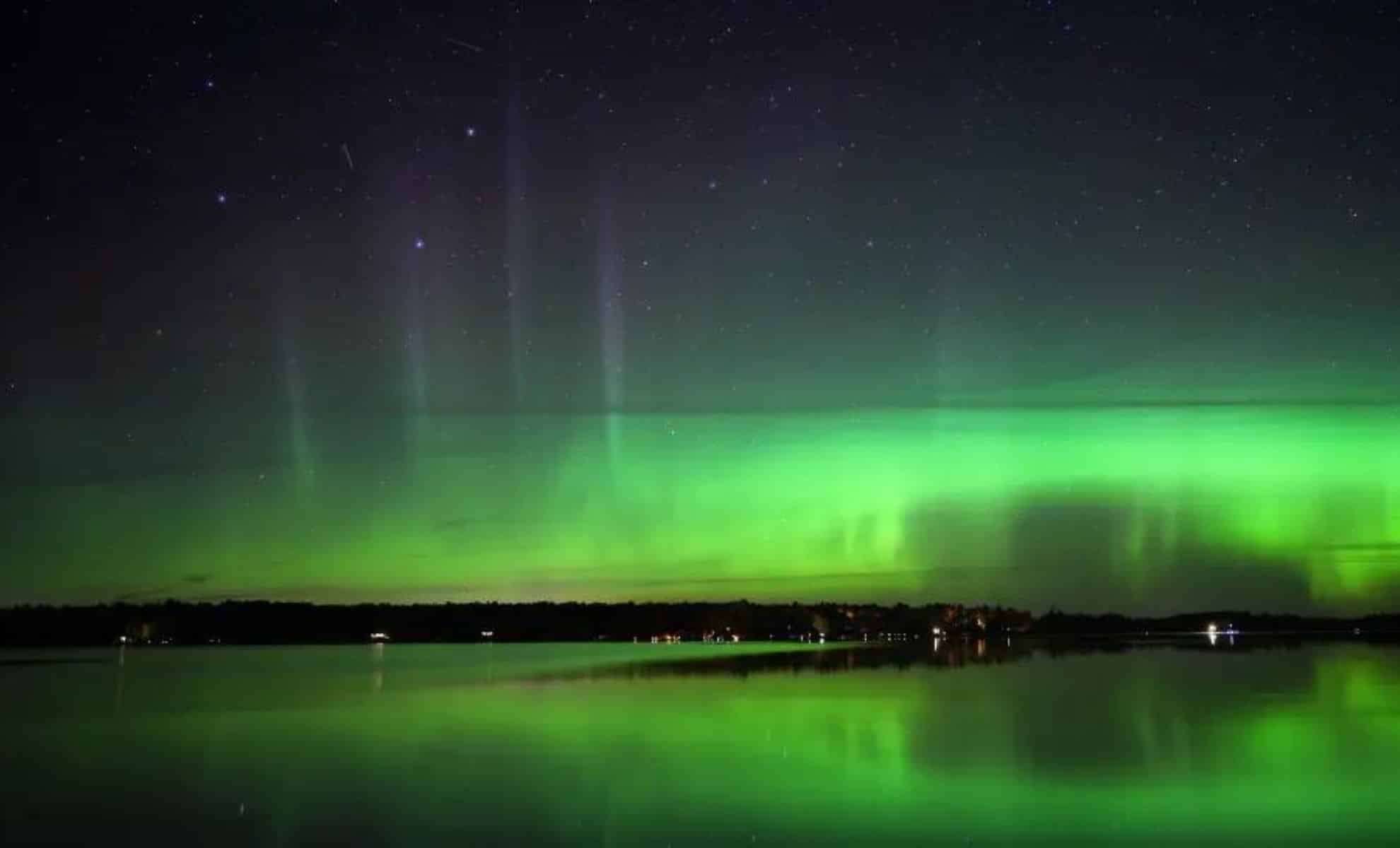
An extraordinary spectacle of the aurora borealis, commonly known as the northern lights, is set to be visible over broad sections of the northern United States this weekend. This stunning phenomenon follows a recent powerful eruption from the Sun, releasing intense solar activity that may push the auroras to appear much farther south than usual.
Understanding the Solar Eruptions Behind the Aurora
The beautiful glow of the aurora is normally created when solar winds interact with Earth's magnetic field. However, this weekend’s heightened aurora display is propelled by a significant solar event. On October 2, 2024, the Sun produced a colossal X7.1-class solar flare, which ranks as the strongest flare in several years. This event was accompanied by a coronal mass ejection (CME), a massive expulsion of plasma and magnetic fields now en route to Earth.
When these charged particles collide with molecules in our atmosphere, they generate the vivid colors associated with the northern lights. Given the immense energy of this particular CME, the resulting geomagnetic storms are anticipated to be significantly intense. The National Oceanic and Atmospheric Administration (NOAA) has issued a G3-level geomagnetic storm warning, indicating a moderate to strong event on a scale reaching up to G5. This implies that the aurora will shine brighter and extend well beyond its normal range.

NOAA forecasts that these geomagnetic disturbances could persist until at least Sunday, October 6, prolonging opportunities to witness spectacular northern lights across many U.S. regions. While such storms can occasionally impact electrical grids, satellite operations, and navigation technology, no significant disruptions are currently anticipated.
Best Locations and Times to Catch the Northern Lights
Although the aurora usually remains near polar latitudes, strong geomagnetic storms like this one can push the spectacle much further south. NOAA’s Space Weather Prediction Center indicates the clearest viewing chances will be on Friday, October 4, and Saturday, October 5, with prime hours between 10 p.m. and 2 a.m. local time. Visibility may vary depending on atmospheric and light conditions before and after these times.

The northern lights are expected to be observable across the following U.S. states, weather permitting:
- Washington
- Oregon
- Idaho
- Montana
- Wyoming
- North Dakota
- South Dakota
- Minnesota
- Iowa
- Wisconsin
- Michigan
- New York
- Vermont
- New Hampshire
- Maine
Under ideal conditions, observers as far south as Pennsylvania and Iowa might also catch sight of this natural light show. NOAA’s aurora forecasts suggest visibility could extend up to 620 miles from the typical auroral zones.
For the best possible viewing experience, experts advise moving away from city lights, such as to elevated or rural locations. Since cloud coverage can hamper sightings, checking local weather forecasts is essential. This weekend’s powerful solar event provides a great opportunity for many Americans to see the aurora closer to home than usual.
Tips for Optimal Aurora Viewing
To maximize your chances of spotting the northern lights, choose areas free from light pollution, favoring dark, open skies. Urban lighting tends to weaken the aurora’s visibility, so secluded or high-altitude locations are preferable.
Timing your observation during the peak activity window—usually between 10 p.m. and 2 a.m.—enhances the odds of catching vibrant and active auroras. However, displays can occur outside this period, so patience and persistence are important.
Remember, the northern lights are inherently variable and may appear intermittently. Allowing extended viewing time increases the possibility of seeing an impressive show. Dress warmly, bring refreshments, and enjoy the experience as a memorable outdoor event.
What Makes This Aurora Display Special
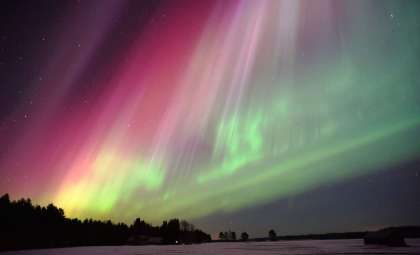
Because this weekend's geomagnetic storm is particularly intense, the northern lights are expected to be more brilliant and visible over a wider area than usual. Typically, the auroras present shimmering ribbons of green and purple light, but stronger storms can also produce shades of pink, red, yellow, and even blue. These colors correspond to different atmospheric gases energized by solar particles. For instance, oxygen atoms generally emit green and red light, while nitrogen molecules are responsible for blue and purple hues.
As solar particles interact with our atmosphere, the lights often appear to ripple and shift dynamically across the night sky. NOAA describes this upcoming event as “quite pleasing to look at,” promising a vivid and moving celestial performance, weather permitting.
- Categories:
- Astronomy ,
- News








0 comments
Sign in to Comment