
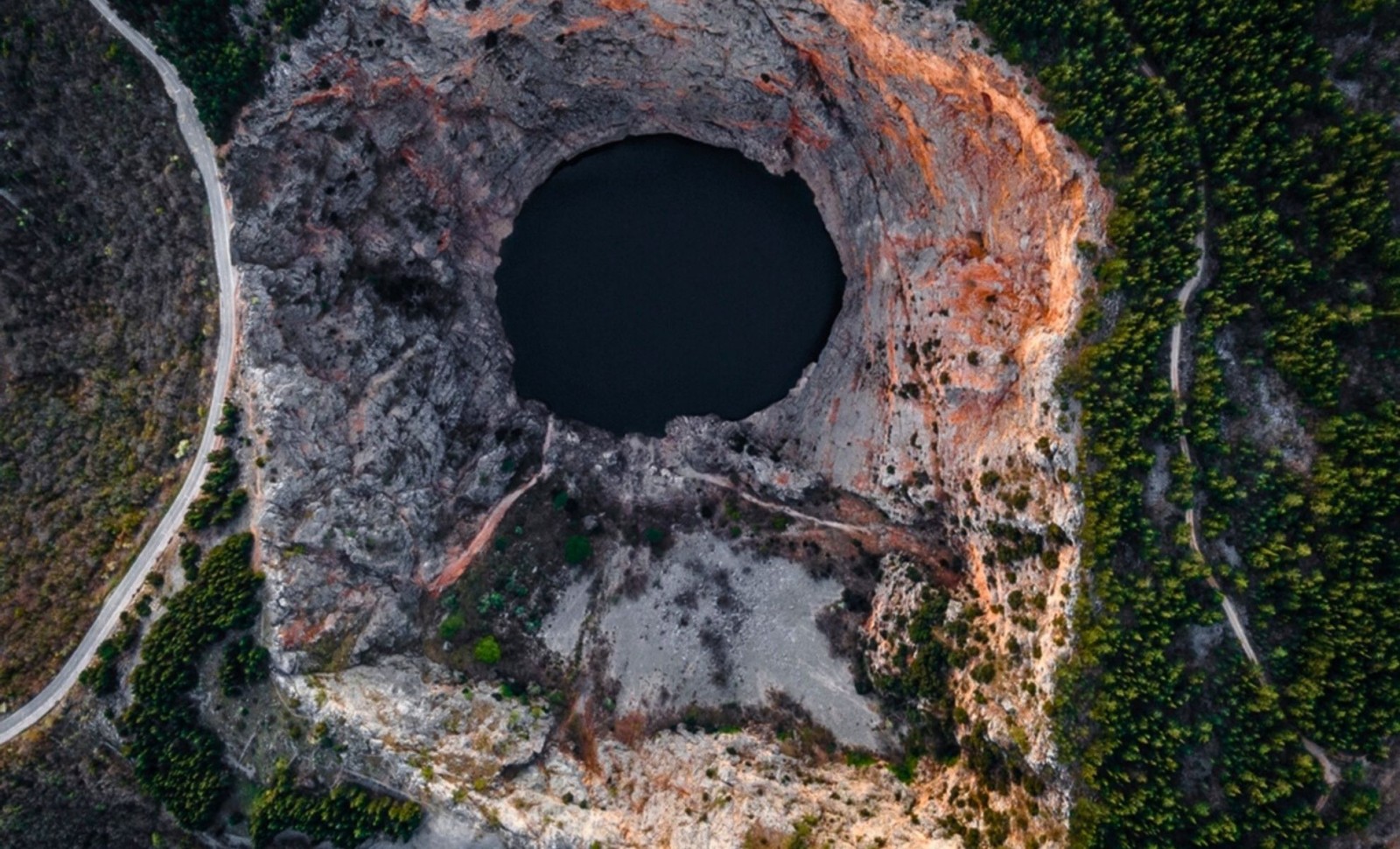
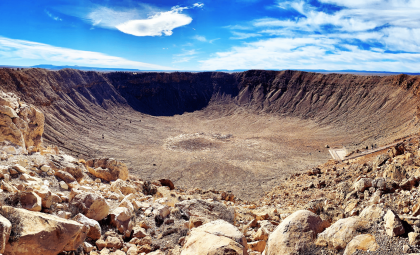
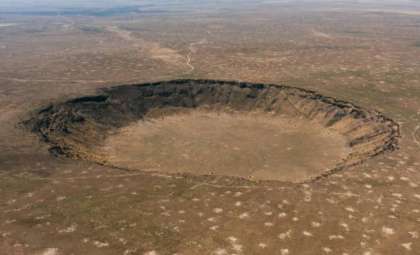
The Jinlin crater, spanning an impressive 900 meters in diameter, stands as the largest confirmed impact crater from the Holocene epoch—the current period in Earth's geological timeline. Exceptionally well-preserved and concealed beneath extensively weathered granite, this site provides fresh insight into how extraterrestrial objects have shaped our planet more recently than previously thought.
Located in Zhaoqing, Guangdong Province, the crater has surprisingly maintained its integrity despite intense weather conditions and the relentless effects of time. This remarkable preservation has captured the attention of scientists, who are intrigued not only by its considerable scale but also by how well it records an extraterrestrial collision. Ongoing analyses of the impact site are revealing new information that may transform our understanding of how frequently and intensely cosmic bodies strike Earth.
A Sudden Geological Revelation
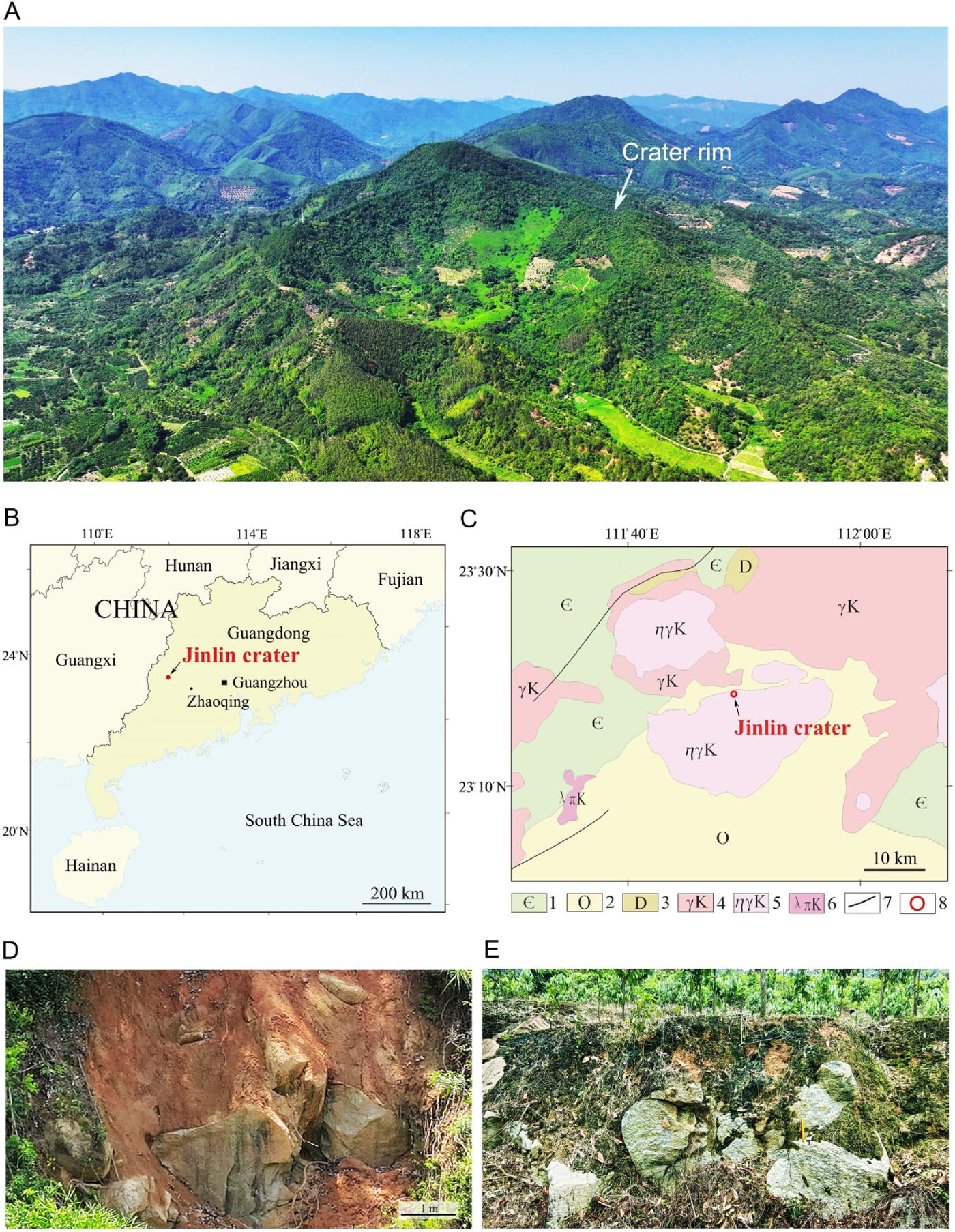
A group of geologists based in Shanghai and Guangzhou first identified the Jinlin crater, with their findings published in Matter and Radiation at Extremes. The researchers estimate the crater originated in the early to middle Holocene, approximately 11,700 years ago.

Measuring 900 meters across, the Jinlin crater eclipses the size of Russia’s Macha crater, which is merely 300 meters wide, marking Jinlin as the largest impact structure from this epoch known to date. This discovery suggests that smaller celestial impacts may have had a greater effect on Earth’s geology than previously assumed.
“This discovery shows that the scale of impacts of small extraterrestrial objects on the Earth in the Holocene is far greater than previously recorded,” said one of the lead researchers, Ming Chen.
One particularly puzzling aspect is the crater’s exceptional condition. Zhaoqing experiences monsoon seasons with heavy precipitation and high humidity, which typically promote rapid erosion. However, it appears that the dense weathered granite overlaying the crater has shielded it from deterioration, preserving this geological feature exceptionally well.
Definitive Signs of an Extraterrestrial Origin
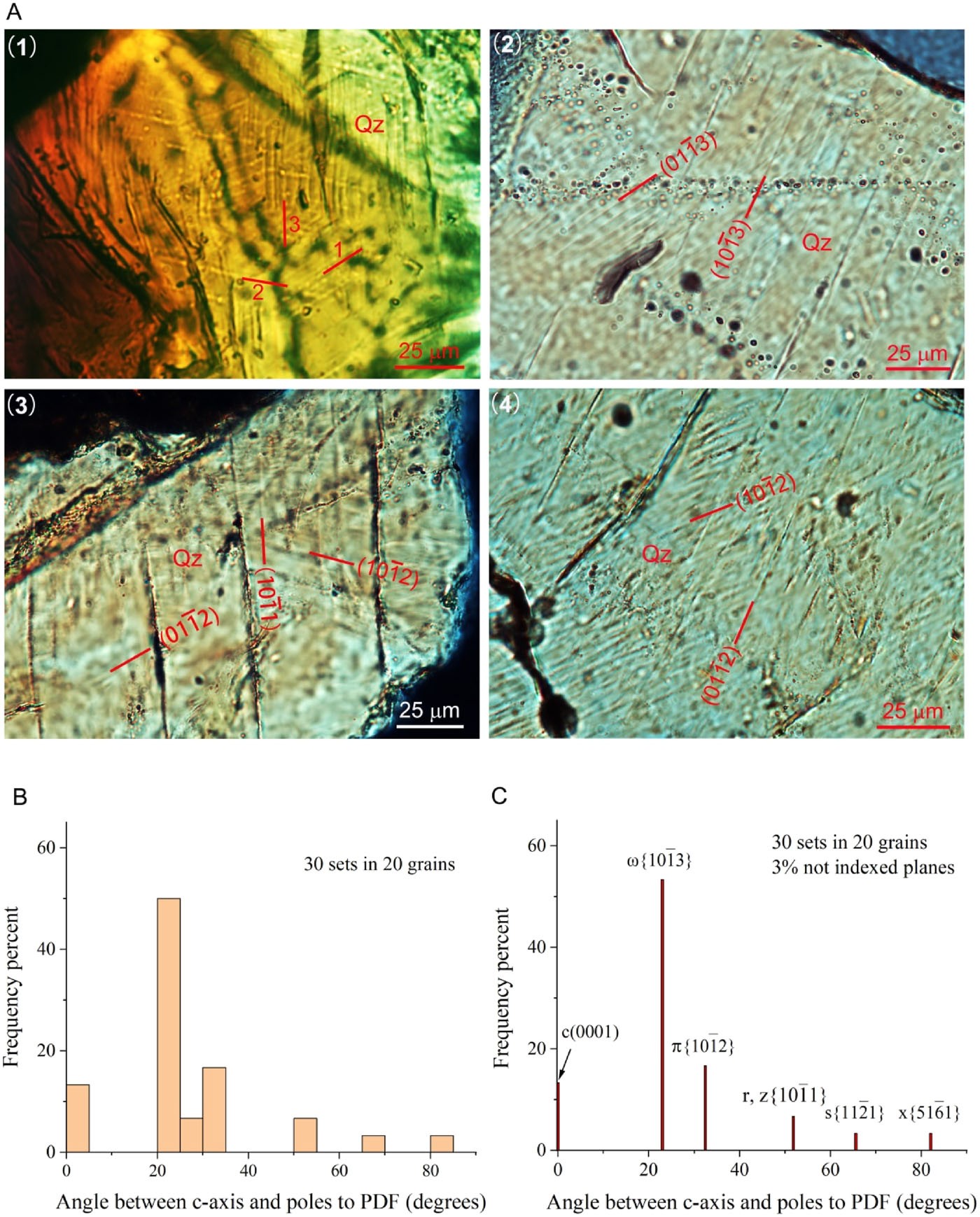
What truly distinguishes the Jinlin crater are the definitive indicators confirming its formation by an external cosmic impact. While evaluating its geological features, the research team uncovered evidence that:
“On the Earth, the formation of planar deformation features in quartz is only from the intense shockwaves generated by celestial body impacts, and its formation pressure ranges from 10 to 35 gigapascals, which is a shock effect that cannot be produced by any geological process of the Earth itself,”
As Ming Chen explains, such shockwaves are uniquely produced by meteorite impacts. Although the exact nature of the impacting object remains to be fully analyzed, a comet of similar size would likely have created a crater roughly ten times larger than Jinlin. Therefore, the data supports the hypothesis that a meteorite caused this impact.
“The impact crater is a true record of Earth’s impact history,” added Chen. “The discovery of the Earth impact crater can provide us with a more objective basis for understanding the distribution, geological evolution, and impact history and regulation of small extraterrestrial bodies.”
Whether the impacting meteorite was composed primarily of iron or stone remains uncertain, though this detail does not diminish the scientific significance of the find.
- Categories:
- News



0 comments
Sign in to Comment