
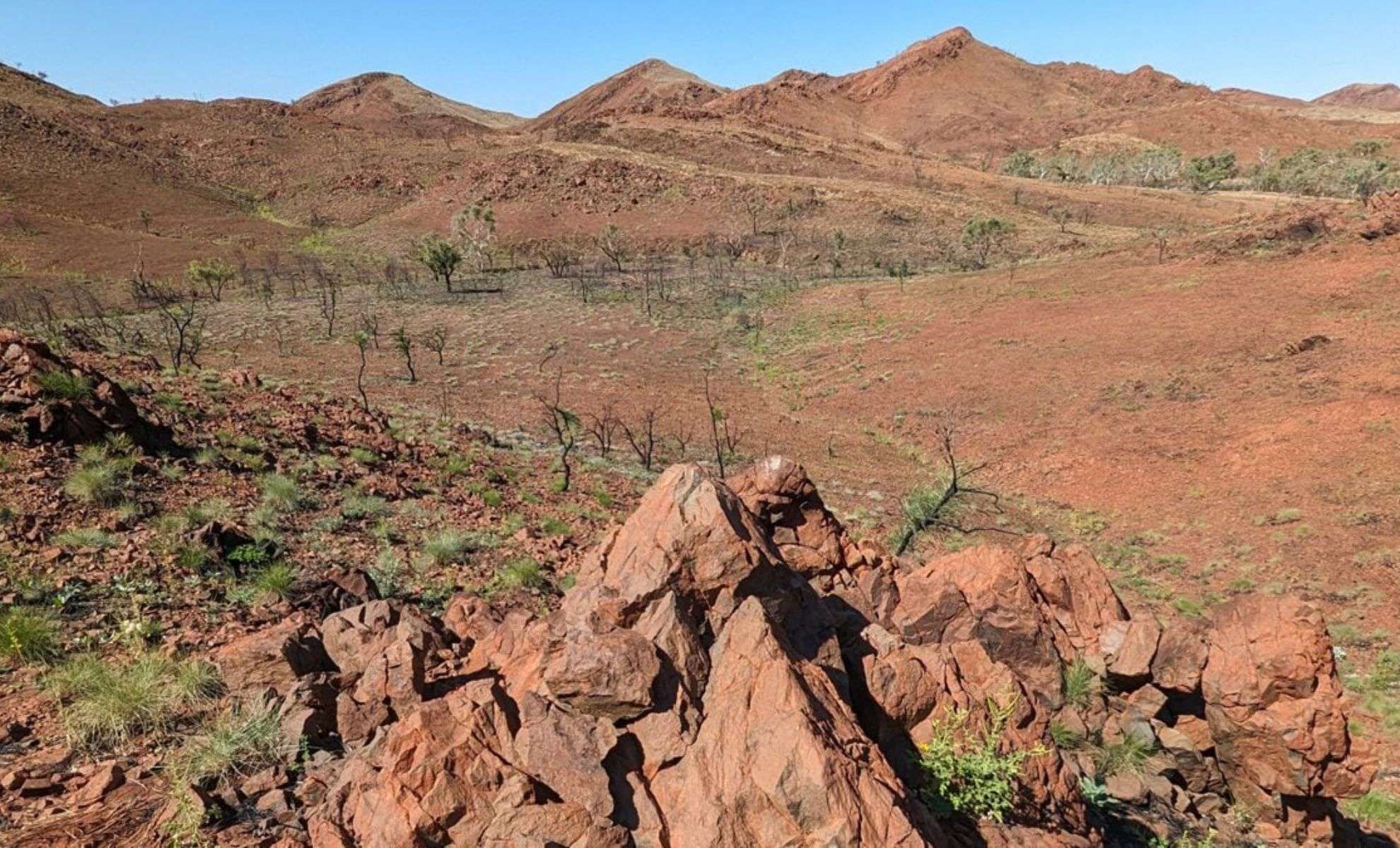
Recent research from Western Australia’s Pilbara region has prompted scientists to rethink an earlier assumption regarding Earth’s oldest meteorite impact crater. A geological site once dated to roughly 3.5 billion years old is now understood to be considerably younger.
Discrepancies in Geological Dating: Revisiting the Evidence
Initially, researchers believed a vast meteorite impact had occurred in Pilbara about 3.5 billion years ago, creating a crater exceeding 100 kilometers wide. Had this been accurate, it would surpass the 2.23-billion-year-old Yarrabubba crater—also located in Australia—as the planet's oldest. This hypothesis suggested that such a massive collision may have influenced the formation of Earth's primordial continental crust and possibly impacted early life’s evolution.
However, recent studies offer a revised timeline. A different research group examining the same location dated the impact to a period after 2.7 billion years ago. Their measurements reveal a crater only about 16 kilometers in diameter, significantly smaller than previously believed. This adjustment challenges earlier ideas about the impact’s significance in Earth’s geological and biological history.

Definitive Impact Markers: Shatter Cones as Evidence
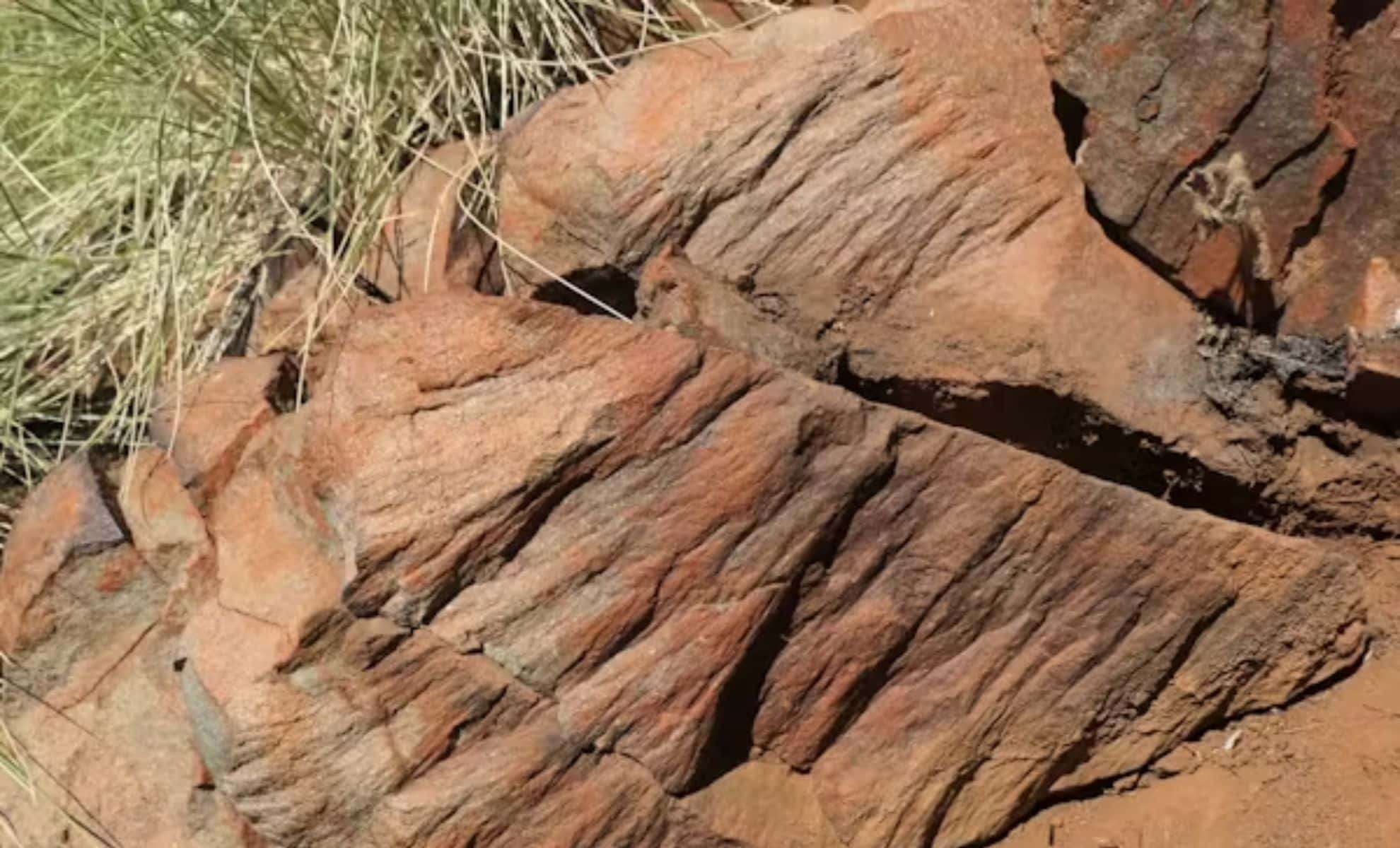
Despite varying age estimates, experts concur that this site truly records an ancient meteorite collision. The key evidence lies in shatter cones, distinctive fracture patterns created exclusively by the extreme pressure of impact shock waves.
Located within the rust-colored basalts of Pilbara’s North Pole Dome—a region characterized by dry, ochre-hued terrain—researchers found numerous shatter cones. Crucially, these structures were embedded not only in 3.47-billion-year-old rock but also in younger lava layers dated at 2.77 billion years. Because shatter cones form at the moment of impact, their presence in younger strata confirms the event must have occurred after these layers solidified.
As noted by researcher Alec Brenner, “The impact had to occur after the youngest rocks containing shatter cones were formed,” dating the event somewhere between 2.7 billion and 400 million years ago. While precise radiometric measurements remain elusive due to lack of datable impact materials, efforts to refine the crater’s age continue.
Reassessing Size: From a Giant Impact to a More Modest Structure
Researchers also charted the distribution of shatter cones throughout the site more precisely than ever before. Findings indicate the impact area is much smaller—around 6 kilometers in extent—suggesting the crater's diameter is approximately 16 kilometers, a drastic revision from the originally proposed 100+ kilometers.
This smaller scale drastically reduces the likelihood that the impact triggered significant geological events such as continental crust formation or affected early ecosystems. By the time this meteorite struck, the Pilbara region's geology was already well established.
In recognition of local heritage and the scientific significance, the site has been officially named the Miralga impact structure, selected through consultation with the Nyamal people, who are the traditional custodians of the land.
Insights for Mars Exploration
Although no longer Earth’s earliest crater, Miralga offers a rare window into impacts on basaltic terrain, a rock type that resists erosion and preserves impact features longer. The basalt layers observed here—among the oldest basalt rocks affected by meteorite impacts—had undergone chemical alteration by seawater long before the collision, conditions resembling those believed to have existed on ancient Mars.
Additionally, nearby sedimentary formations contain some of the earliest well-documented fossils on Earth, making Miralga a valuable comparison for Martian environments. This makes the site an excellent analogue for mission planners and scientists developing Mars exploration strategies.
- Categories:
- News




0 comments
Sign in to Comment